
A Daily Wellbeing Routine does not need to be strict, time-consuming, or perfectly organized to make a difference. In fact, the most sustainable routines are often built around a few simple habits that fit naturally into the way you already live.
Some days may allow more time for movement, meal preparation, or quiet reflection. Other days may be busier and require a much simpler approach. The goal is not to follow the same schedule perfectly every day, but to create a flexible rhythm that supports your energy, comfort, and overall sense of balance.
That might mean drinking more water, adding a few minutes of movement, preparing food ahead of time, or taking a short pause to reset during the day. Small choices can become easier to maintain when they feel realistic instead of overwhelming.
Building a routine this way also leaves room for change. Your needs may look different from one week to the next, and that is completely normal. The most useful habits are often the ones that can adapt with you.
If you are looking for more simple ideas to support everyday balance, you can explore more wellbeing ideas that fit naturally into daily life.
1. Start With a Few Habits You Can Actually Maintain

A Daily Wellbeing Routine becomes much easier to follow when it starts with a small number of habits instead of a long list of expectations.
It can be tempting to change everything at once: drink more water, exercise every day, prepare every meal in advance, journal, stretch, sleep earlier, and reduce screen time. But trying to build too many habits at the same time can make the routine feel exhausting before it has a chance to become natural.
A more realistic approach is to choose two or three habits that already fit reasonably well into your day. You might start by keeping water nearby, taking a short movement break, and preparing one simple meal or snack ahead of time.
Once those habits begin to feel familiar, you can add something else if it genuinely helps. There is no need to build the entire routine in one week.
The goal is not to create the most impressive routine. It is to create one that still works on an ordinary Tuesday when you are busy, distracted, or low on energy.
2. Build Movement Into the Day in a Realistic Way
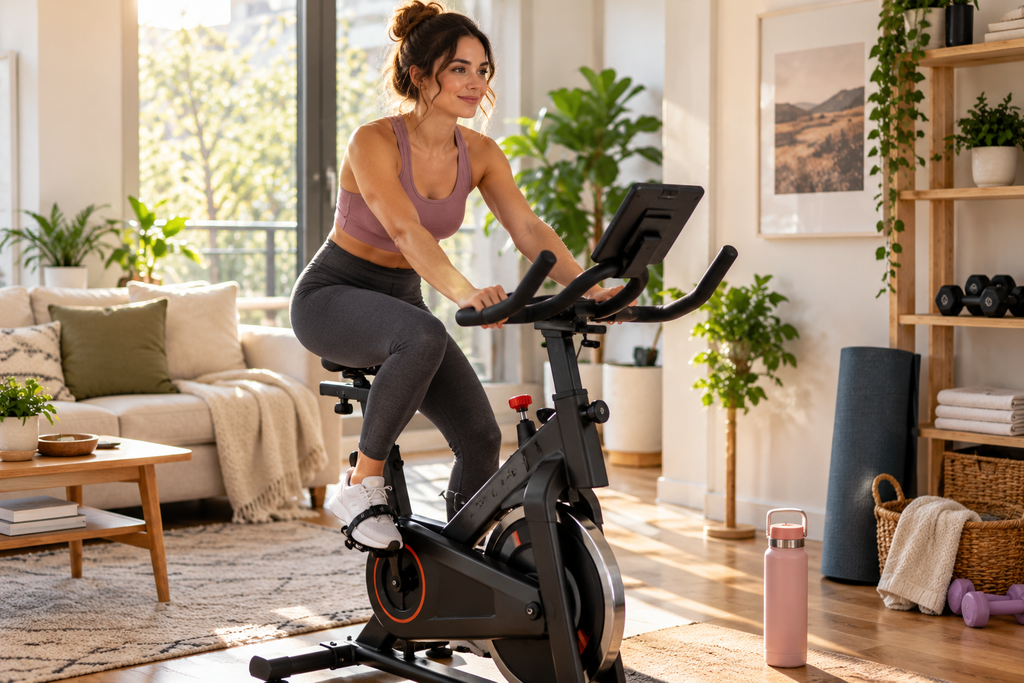
A Daily Wellbeing Routine does not need to include a long workout to support movement. Short, practical sessions can be easier to maintain, especially on days when your schedule is already full.
Movement can take many forms. A few minutes of stretching, a short walk, light strength exercises, or a quick indoor session can all help make activity feel like a normal part of the day rather than another major task.
The most realistic approach is to choose the type of movement that fits your lifestyle. If getting to the gym feels difficult, having a simple option at home can remove one of the biggest barriers. A compact choice such as the YOSUDA Exercise Bike can make it easier to add a short indoor session without needing to leave home.
You can also keep movement flexible. Some days might include a longer session, while others may only allow ten minutes. Both can still belong in the same routine.
The goal is not to exercise perfectly every day. It is to make movement accessible enough that you can return to it regularly.

- 𝐘𝐎𝐒𝐔𝐃𝐀 𝐅𝐫𝐢𝐜𝐭𝐢𝐨𝐧 𝐄𝐞𝐱𝐞𝐫𝐜𝐢𝐬𝐞 𝐁𝐢𝐤𝐞 𝟎𝟎𝟐 (𝐎𝐫𝐚𝐧𝐠𝐞)
- 𝗖𝗛𝗢𝗢𝗦𝗘 𝗬𝗢𝗦𝗨𝗗𝗔: We have been specializing in the design and manufacture of high-quality home fitness equipment for more t…
- 𝗦𝗺𝗼𝗼𝘁𝗵 𝗦𝘁𝗮𝘁𝗶𝗼𝗻𝗲𝗿𝘆 𝗕𝗶𝗸𝗲: 25 lbs flywheel and heavy-duty steel frame of the exercise bike guarantee stability while cyclin…
3. Make Hydration Easy to Remember
A Daily Wellbeing Routine often works better when healthy choices are made easier, not more complicated. Hydration is a good example of that.
Instead of relying on memory throughout the day, keep water somewhere visible and easy to reach. A bottle on your desk, kitchen counter, or beside you while working can act as a simple reminder without adding another task to your schedule.
You do not need to track every sip or follow a rigid target for the routine to feel useful. The goal is simply to make drinking water more convenient throughout the day.
You can also connect hydration to habits that already happen naturally. For example, drink some water when you sit down to work, before a meal, after a short movement break, or when you return home.
Small cues like these can make hydration feel like part of your normal rhythm rather than something you have to remember separately.
4. Make Food Decisions Easier Before You Are Hungry

A Daily Wellbeing Routine becomes easier to maintain when food does not require a new decision every few hours.
You do not need to prepare every meal for the entire week. Even a small amount of preparation can make everyday choices feel simpler. Washing fruit, portioning snacks, cooking a grain or protein in advance, or preparing one or two easy lunches can reduce the effort needed later.
The goal is not to create a strict meal-prep system. It is simply to make nourishing options easier to reach when the day gets busy.
A few reusable containers can help organize prepared ingredients or leftovers so that meals are easier to see and use. This can also help reduce the feeling of starting from zero every time you enter the kitchen.
Keeping food practical and flexible makes the routine feel more sustainable, especially on days when time and energy are limited.
5. Use Simple Planning to Reduce Mental Clutter

A Daily Wellbeing Routine can feel much more manageable when you do not have to keep every task, reminder, and intention in your head all day.
You do not need a detailed planner or a complicated productivity system. A short list, a few notes in a journal, or one clear priority for the day can be enough to create a little more mental space.
Try keeping your planning simple. Write down what actually needs your attention, what can wait, and one or two things that would make the day feel more balanced. This might include a short walk, preparing lunch, taking a proper break, or making time for something you enjoy.
Reflection can also be useful at the end of the day. A few lines about what went well, what felt difficult, or what you want to remember can help you notice patterns without turning journaling into another obligation.
The goal is not to organize every minute. It is to make your routine feel clearer, lighter, and easier to return to.
6. Add Small Recovery Moments During the Day
A Daily Wellbeing Routine is not only about doing more. It can also include short moments that help you reset between tasks, movement, and the usual demands of the day.
Recovery does not have to mean a long break. A few quiet minutes, gentle stretching, changing position after sitting for a long time, or using a simple mobility tool can help the day feel less physically repetitive.
The most realistic approach is to notice when your body feels stiff, tired, or simply ready for a pause. Instead of waiting until the end of the day, build in small moments of recovery when they are actually needed.
That might mean stretching your shoulders after working at a desk, rolling out your legs after exercise, or taking a few minutes to slow down before moving into the next part of the day.
These small pauses can make the routine feel more balanced because they create space between effort and recovery instead of treating wellbeing as one more thing to complete.
7. Let Your Routine Change With the Day

A Daily Wellbeing Routine feels more realistic when it can adapt to different kinds of days.
Some mornings may begin slowly, with time for breakfast, journaling, or movement. Other days may start in a rush and leave very little space for anything beyond the essentials. Both can still be part of the same routine.
Instead of expecting the exact same schedule every day, think in terms of flexible anchors. Hydration, movement, nourishment, and a few quiet moments can stay part of the rhythm even when the timing changes.
You might have a longer workout on one day and a short walk on another. You may prepare meals ahead of time during the week and rely on simpler options when life gets busy. The routine can shift without losing its purpose.
What matters most is having a few habits that are easy to return to. A realistic routine should support the day you are actually having, not the day you wish you had.
8. Keep the Routine Simple Enough to Return To
A Daily Wellbeing Routine works best when it remains simple enough to return to, even after a busy day, a missed workout, or a week that did not go as planned.
It is easy to think that consistency means doing everything the same way every day. In reality, consistency can simply mean returning to a few helpful habits whenever you are able.
You might miss a day of movement, forget to journal, or rely on an easier meal than you originally planned. None of that means the routine has failed. What matters is that the habits remain familiar enough to pick up again without feeling like you have to start over.
A realistic routine should leave room for imperfect days. It should support your life without making you feel that you have fallen behind.
The more flexible the routine feels, the easier it becomes to maintain over time.
Conclusion – Build a Routine That Works for Your Real Life
A Daily Wellbeing Routine should make everyday life feel more manageable, not more demanding.
The most useful routines are usually built from simple habits that support the way you actually live. Drinking water, moving your body, preparing a few easy meals, planning a little, and creating space to pause can all become part of a realistic rhythm without needing to happen perfectly every day.
Some days will feel more organized than others. That is part of real life. The goal is not to follow a flawless routine, but to have a few supportive habits you can return to whenever the day allows.
Start small, keep what feels useful, and let the routine grow naturally over time.
A realistic wellbeing routine is not about doing more. It is about making everyday choices feel a little easier to maintain.
“A realistic wellbeing routine is built from small choices you can return to again and again.”
6 Simple Essentials for a Realistic Daily Wellbeing Routine
These simple essentials can support different parts of a Daily Wellbeing Routine, from hydration and movement to meal preparation, reflection, and recovery. The goal is not to use everything at once, but to choose the tools that make your everyday habits feel easier and more realistic.