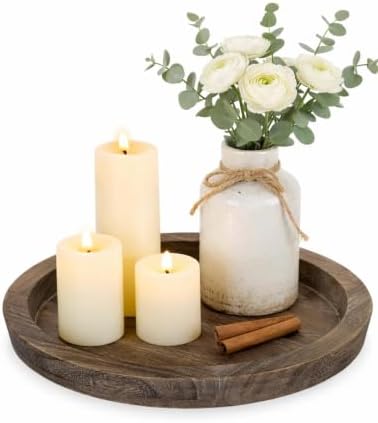
Building a self-care routine sounds simple until everyday responsibilities start getting in the way. Between work, family commitments, household tasks, and unexpected changes in your schedule, finding time for yourself can easily become something you keep postponing.
Maybe you’ve tried starting a morning routine, setting aside time to exercise, or creating a relaxing evening ritual. Everything goes well for a few days, but then life gets busy, and those good intentions slowly disappear.
The good news? A sustainable self-care routine doesn’t require a perfect schedule, expensive products, or hours of free time.
What matters most is finding small, meaningful habits that support your physical, mental, and emotional wellbeing—and making them realistic enough to repeat.
Self-care might mean taking a short walk, spending a few quiet minutes with a book, preparing a nourishing meal, or simply allowing yourself to rest without feeling guilty.
These everyday choices may seem small, but when they become part of your lifestyle, they can help you create a more balanced and intentional approach to caring for yourself.
In this guide, you’ll discover 7 simple ways to build a self-care routine you can actually maintain, even when your schedule changes or life becomes overwhelming.
Rather than adding more pressure to your day, the goal is to make self-care feel like a natural, manageable part of the life you’re already living.
1. Start With Small, Realistic Self-Care Habits
One of the biggest mistakes people make when starting a self-care routine is trying to change too many things at once.
It’s easy to imagine a perfect morning filled with exercise, meditation, healthy meals, journaling, and plenty of quiet time. But when your everyday schedule is already full, adding several new responsibilities can quickly become overwhelming.
Instead of creating a long list of expectations, begin with one or two small habits that feel manageable.
For example, you might choose to:
- Spend five minutes enjoying a quiet morning before checking your phone.
- Take a short walk after lunch or dinner.
- Set aside ten minutes to read something you enjoy.
- Practice a few minutes of gentle stretching.
- Write down one thing you’re grateful for before bedtime.
The goal isn’t to accomplish everything on this list. It’s to identify one activity that makes you feel cared for and give it a realistic place in your day.
Make Your Self-Care Habits Easy to Repeat
A helpful way to begin is to create a smaller version of the habit you eventually want to develop.
If you’d like to start exercising regularly, begin with five minutes of movement instead of committing to a demanding workout.
If you want to build a journaling practice, start by writing one or two sentences rather than filling an entire page.
And if your goal is to enjoy a calmer evening, try setting aside a few minutes without screens before attempting to change your entire nighttime routine.
Consistency becomes easier when your habits fit your real life rather than an ideal version of it.
You can also connect a new habit to something you already do every day. For example, practice a brief breathing exercise after brushing your teeth or take a few minutes to stretch after your morning coffee.
This approach is known as habit stacking. If you’d like to explore it further, read our guide to Habit Stacking for Beginners for practical ways to connect new habits with familiar daily activities.
Remember, a sustainable self-care routine doesn’t begin with doing more. It begins with choosing something small enough that you can keep coming back to it.
2. Make Movement a Natural Part of Your Day
Taking care of yourself isn’t only about finding quiet moments to relax. Regular physical activity can also play an important role in supporting your energy, mood, mobility, and overall wellbeing.
The challenge is that exercise often feels like another responsibility competing for space in an already busy schedule.
But incorporating movement into your self-care routine doesn’t have to mean joining a gym, following an intense workout program, or setting aside an entire hour every day.
Sometimes, the most sustainable approach is simply finding enjoyable ways to move your body throughout the week.
Turn Short Walks Into an Everyday Habit

Walking is one of the simplest ways to introduce more physical activity into your daily life.
You might begin with a comfortable ten-minute walk around your neighborhood, a short stroll after lunch, or a few minutes outdoors whenever your schedule allows.
Instead of focusing on distance or speed, pay attention to how the activity fits into your routine.
Choose a familiar route, listen to the sounds around you, or invite a friend to join you.
Having comfortable footwear can also make regular walks more enjoyable. For example, the Skechers Women’s Go Walk Flex Grand Entry is one walking-shoe option to consider if you’re looking for footwear suited to everyday activity.
The most important thing is choosing shoes that fit well and feel comfortable for your feet.
Over time, you can gradually increase your walking time according to your comfort level, health needs, and personal goals.
Keep Gentle Movement Accessible at Home
Not every self-care activity needs to happen outdoors.
On busy days, rainy afternoons, or evenings when you prefer staying home, a few minutes of movement can still be a meaningful part of your routine.
Gentle stretching, chair exercises, balance activities, and simple strength exercises are all options worth exploring.
If you enjoy using basic exercise equipment, the Fit Simplify Resistance Loop Exercise Bands with Instruction Guide and Carry Bag, Set of 5 may be a convenient addition to your home exercise space.
Resistance bands can be used for a variety of strengthening exercises, with resistance selected according to your ability and experience. Beginners should follow appropriate instructions and avoid movements that cause pain.
You don’t need to complete a complicated workout to benefit from being more active.
What matters is finding an activity you feel comfortable repeating and gradually building on it.
Focus on Enjoyment, Not Perfection
One reason exercise routines become difficult to maintain is that people sometimes associate movement with strict rules or unrealistic expectations.
A more supportive approach is to choose activities you genuinely enjoy.
Dancing to a favorite song, walking through a nearby park, gardening, or practicing gentle yoga can all contribute to a more active lifestyle.
On some days, you may have the energy for a longer walk. On others, a few minutes of stretching may be what feels manageable.
Both can have a place in a flexible routine.
The goal is to make movement something you return to because it supports your wellbeing, not something you feel pressured to complete perfectly.
When physical activity becomes an enjoyable part of everyday life, it can feel less like another task and more like a natural way of caring for yourself.
3. Create Small Moments of Calm Throughout Your Day
A sustainable self-care routine isn’t only about physical activity or healthy habits. It’s also about giving yourself permission to slow down, recharge, and enjoy moments of calm throughout your day.
When responsibilities begin piling up, taking a break can sometimes feel like something you haven’t earned yet. You might tell yourself you’ll relax after finishing every task, answering every message, or taking care of everyone else’s needs.
But the truth is, there will almost always be something else that needs your attention.
Instead of waiting for the perfect moment to rest, try creating small opportunities for relaxation within the day you already have.
Give Yourself Permission to Pause
Taking a break doesn’t have to involve an elaborate meditation practice or a completely quiet environment.
Sometimes, a few intentional minutes can help you step away from the constant demands of everyday life.
You might try:
- Sitting comfortably and taking several slow, relaxed breaths.
- Enjoying a warm cup of tea without looking at your phone.
- Stepping outside for a few minutes of fresh air.
- Listening to calming music while resting.
- Spending five minutes reading something you enjoy.
- Looking out the window and simply allowing your mind to wander.
These activities aren’t about achieving another goal. They’re opportunities to reconnect with yourself without adding more expectations to your schedule.
A meaningful self-care routine should create room for rest, not turn relaxation into another responsibility.
Create a Comfortable Space for Quiet Moments
Your surroundings can also influence how easy it feels to slow down.
You don’t need an entire room dedicated to relaxation. A comfortable chair near a window, a cozy corner of your bedroom, or a small reading space can become a welcoming place to unwind.
Consider keeping the area simple and inviting, with comfortable seating, soft lighting, and fewer unnecessary distractions.
The goal isn’t to create a perfectly decorated space. It’s to have somewhere you associate with slowing down and taking a little time for yourself.
If you’d like inspiration for organizing a peaceful space, explore our guide on How to Create a Calm Corner at Home, where we share practical ideas for making your surroundings feel more comfortable and relaxing.
Make Rest a Regular Part of Your Routine
One helpful approach is to connect short breaks to familiar moments in your day.
For example, you might take a quiet pause after lunch, enjoy a few minutes of reading before bed, or spend a little time outdoors after finishing work.
Try to notice which activities genuinely help you feel more comfortable and refreshed.
Some people enjoy silence, while others prefer music, creative hobbies, or spending time in nature. There isn’t one correct way to practice relaxation.
On particularly busy days, even a brief pause may feel more realistic than setting aside a longer period of uninterrupted time.
What matters is making space for rest without feeling that you need to justify it.
Over time, these small moments can become familiar reminders that your needs deserve attention, too.
4. Make Healthy Eating Easier With Simple Planning
Taking care of yourself also means paying attention to how you nourish your body. However, maintaining balanced eating habits can feel challenging when your schedule is packed with responsibilities.
Between work, family commitments, and everyday tasks, it’s easy to reach the end of the day feeling too tired to think about what to prepare for dinner.
That’s why a sustainable self-care routine should make everyday decisions easier rather than adding unnecessary pressure.
You don’t need to follow complicated meal plans, prepare elaborate recipes, or completely change the way you eat.
A little planning can help make nourishing meals more convenient and reduce some of the daily stress surrounding food.
Start With a Few Simple Meal Ideas
Instead of planning every meal in detail, begin by identifying a handful of easy dishes you already enjoy.
Think about meals that use familiar ingredients, require minimal preparation, and fit comfortably into your schedule.
For example, you might keep a few options in rotation:
- Oatmeal with fruit, yogurt, or nuts for a simple breakfast.
- A colorful salad with beans, chicken, or another protein source.
- Whole-grain wraps filled with vegetables and your favorite ingredients.
- Roasted vegetables paired with rice, potatoes, or another satisfying side.
- Homemade soups or one-pan meals that can provide leftovers for another day.
Having a few familiar meals in mind can make grocery shopping easier and reduce the pressure of deciding what to cook every evening.
You can also prepare certain ingredients ahead of time, such as washing vegetables, cooking grains, or portioning ingredients for upcoming meals.
The goal is to create flexibility, not a rigid eating schedule.
Use Meal Prep to Support Your Self-Care Routine

Meal preparation doesn’t have to mean cooking everything for the entire week on a Sunday afternoon.
For some people, preparing two or three meals in advance works well. Others may prefer washing produce, organizing ingredients, or preparing a few lunch options.
Choose an approach that matches your energy, available time, and household needs.
If you’re looking for practical recipe inspiration and a more organized way to plan your meals, explore our Healthy Meal Prep for Busy Weeks guide.
It brings together 30 easy recipes, preparation tips, and a simple weekly planning system designed to make home cooking more manageable during busy weeks.
You can use these ideas as a starting point and adapt them to your preferences rather than feeling obligated to follow a perfect plan.
Keep Your Approach Flexible and Enjoyable
Healthy eating shouldn’t become another source of guilt or frustration.
Some days, you may have time to prepare a complete meal from scratch. On others, assembling something simple from ingredients you already have may be the most practical option.
Try to focus on variety, satisfaction, and habits that work for your circumstances.
You can also make mealtimes a small opportunity to slow down. Sitting at the table, putting your phone aside when possible, or enjoying a meal without rushing can help you pay more attention to the experience.
A realistic self-care routine makes room for nourishment, convenience, enjoyment, and flexibility.
Rather than expecting every meal to be perfect, look for small ways to make caring for yourself easier throughout the week.
5. Create a Self-Care Routine That Fits Your Real Schedule
One of the most important parts of maintaining a self-care routine is making sure it works with your everyday responsibilities rather than competing with them.
It’s easy to feel inspired by elaborate morning rituals or carefully planned wellness schedules. But what works for someone with a flexible calendar may not be realistic for someone balancing work, household responsibilities, family commitments, and unexpected demands.
Instead of trying to fit your life around a perfect routine, build your routine around the life you already have.
Self-care should feel supportive, not like another obligation on an endless to-do list.
Identify Your Most Realistic Self-Care Moments
Start by looking at your typical day and identifying small opportunities for activities that support your wellbeing.
You don’t necessarily need an uninterrupted hour. A few intentional minutes can be a practical starting point.
For example:
- Morning: Enjoy a peaceful breakfast, practice gentle stretching, or spend a few minutes planning your priorities.
- Midday: Step away from your workspace, take a short walk, or enjoy lunch without unnecessary distractions.
- Evening: Read a few pages of a book, write down your thoughts, or create a relaxing transition before bedtime.
You don’t need to include activities in every part of your day.
Choose the moments that feel most manageable and gradually adjust your routine as you discover what works best.
Create a Flexible Plan Instead of a Strict Schedule
A sustainable routine should allow room for changes.
Some days, you may have plenty of energy and free time. On others, unexpected appointments, household responsibilities, or a demanding workday may leave you with little space for additional activities.
Rather than abandoning your entire routine when something changes, create different versions of your self-care habits.
For example:
| Self-Care Habit | When You Have More Time | On a Busy Day |
|---|---|---|
| Movement | Take a 30-minute walk | Walk for 5–10 minutes |
| Mindfulness | Practice 15 minutes of relaxation | Pause for 2 minutes |
| Journaling | Write a full journal entry | Write one sentence |
| Healthy eating | Prepare a homemade meal | Assemble a simple balanced meal |
| Reading | Enjoy a chapter of a book | Read two pages |
These alternatives help you stay connected to your intentions without expecting every day to look the same.
A flexible self-care routine isn’t about doing less. It’s about creating habits that remain possible when life becomes unpredictable.
Give Yourself a Simple Framework to Follow
If you’re someone who enjoys having a little structure, organizing your habits in a planner or workbook can help you turn good intentions into realistic daily actions.
A useful approach is to identify a few personal priorities, choose manageable habits, and review your progress periodically without focusing on perfection.
For additional guidance, explore The Everyday Wellness Guide, a practical workbook designed to help you reflect on everyday habits, organize your wellness priorities, and create a more intentional approach to daily balance.
Rather than following a rigid formula, you can use the workbook’s exercises and planning tools to build a routine that reflects your lifestyle, preferences, and changing needs.
Remember that your schedule may look different from week to week.
The goal isn’t to create a routine that never changes. It’s to develop a flexible foundation you can return to, even when life takes an unexpected turn.
6. Build Consistency Without Expecting Perfection
One of the biggest challenges of maintaining a self-care routine isn’t getting started. It’s knowing how to keep going when everyday life doesn’t unfold as planned.
You might begin the week feeling motivated, with clear intentions to move more, eat balanced meals, enjoy quiet moments, and make time for yourself.
Then an unexpected appointment comes up, work becomes demanding, or you’re simply too tired to follow your usual routine.
It’s easy to interpret these interruptions as a lack of discipline. But building sustainable habits doesn’t mean following the same schedule perfectly every single day.
Instead, it means learning how to adjust your expectations and return to the habits that matter to you.
Stop Thinking of Self-Care as All or Nothing
An all-or-nothing mindset can make even simple habits feel unnecessarily difficult.
For example, you might skip your usual walk because you don’t have thirty minutes available. Or you might abandon journaling for the week because you missed a few evenings.
But a shorter version of a habit can still be meaningful.
If you can’t take your usual walk, spend a few minutes moving around your home or enjoying some fresh air.
If you don’t feel like writing an entire journal entry, jot down a single thought.
And if you’re too tired to prepare an elaborate meal, choose something simple and satisfying from the ingredients you already have.
The important thing is to remember that your routine can change without losing its purpose.
A self-care routine becomes more sustainable when you allow yourself to participate imperfectly rather than give up whenever circumstances change.
Learn How to Restart After a Difficult Week
Everyone experiences periods when personal routines become harder to maintain.
Illness, travel, family responsibilities, emotional challenges, and unexpected changes can temporarily shift your priorities.
When this happens, avoid trying to compensate for everything you missed.
Instead, begin again with one manageable action.
You might ask yourself:
- Which self-care habit would feel most helpful right now?
- What’s the smallest version of that habit I can comfortably manage?
- Is there something about my previous routine that needs adjusting?
- What could make this habit easier to repeat next week?
These questions encourage reflection rather than self-criticism.
For example, if your evening reading habit keeps getting interrupted because you’re exhausted, perhaps reading for five minutes during lunch would work better.
If your morning exercise routine feels unrealistic, consider moving it to another part of your day.
Sometimes, maintaining consistency isn’t about trying harder. It’s about finding an approach that better matches your circumstances.
Measure Progress by What Works for You
It’s natural to look for signs that your efforts are making a difference.
However, progress in self-care doesn’t always involve completing a checklist or reaching a specific number of consecutive days.
You might notice that you’re becoming more comfortable taking breaks, recognizing when you need rest, or making thoughtful decisions about how to spend your time.
These changes deserve attention, too.
Consider checking in with yourself once a week.
Reflect on which habits felt helpful, which ones were difficult to maintain, and what adjustments might make the following week easier.
You don’t need to track every detail or turn your wellbeing into a performance measurement.
A brief reflection can be enough to help you understand what supports your lifestyle.
Remember that self-care isn’t something you succeed or fail at based on a perfect record.
It’s an ongoing practice of responding to your needs with flexibility, patience, and realistic expectations.
The most useful self-care routine is one you can return to—not one you feel guilty about leaving behind.
7. Review and Refresh Your Self-Care Routine Regularly
Creating a self-care routine is an important first step, but maintaining it over time requires something equally valuable: the willingness to adjust.
Your needs, responsibilities, energy levels, and personal priorities won’t always remain the same.
A routine that feels comfortable during a quiet season of life may become difficult to follow when work gets busier, family responsibilities increase, or your schedule changes.
Rather than holding on to habits that no longer fit, give yourself permission to review and refresh your approach.
The goal isn’t to follow the same routine forever. It’s to develop a flexible way of caring for yourself that can grow and change with you.
Set Aside Time for a Simple Weekly Check-In
You don’t need an elaborate planning session to understand whether your self-care habits are working.
A few quiet minutes at the end of the week can help you reflect on your experiences and identify what deserves your attention.
Consider asking yourself:
- Which self-care activities felt most enjoyable this week?
- What helped me feel more comfortable, rested, or energized?
- Were there habits I consistently struggled to maintain?
- Did my routine feel supportive or unnecessarily demanding?
- What is one small adjustment I could make next week?
You might write your answers in a notebook, record a few thoughts on your phone, or simply reflect while enjoying a peaceful moment.
Try to approach these questions with curiosity rather than judgment.
The purpose of a weekly check-in isn’t to evaluate how productive you’ve been. It’s to understand which habits are genuinely helpful and which ones may need to change.
Adjust Your Habits as Your Needs Change
Self-care can look different depending on the season of life you’re experiencing.
During a particularly demanding week, getting adequate rest and preparing simple meals may feel more important than maintaining a structured exercise schedule.
At other times, you may want to prioritize spending time outdoors, reconnecting with friends, exploring a creative hobby, or establishing a more consistent bedtime.
There’s no need to include every possible self-care activity in your routine.
Instead, choose a few habits that reflect your current priorities.
For example, if you’ve been spending long hours indoors, you might make room for short walks in natural surroundings.
If your days have felt mentally demanding, you may prefer adding quiet reading time or reducing unnecessary screen time in the evening.
And if household responsibilities have become overwhelming, simplifying your weekly planning may be a more useful form of self-care than adding another activity.
A sustainable self-care routine should respond to your changing needs rather than expect you to maintain the same habits under every circumstance.
Celebrate Progress Without Adding Pressure
When reviewing your routine, remember to recognize the positive changes you’ve made, even when they seem small.
Perhaps you’ve become more comfortable setting boundaries around your personal time.
Maybe you’re remembering to take short breaks during busy workdays, making space for regular walks, or becoming more intentional about your evening routine.
These everyday improvements may not always feel dramatic, but they can reflect meaningful changes in how you approach your wellbeing.
You can acknowledge your progress in simple ways, such as enjoying a relaxing activity, sharing a personal achievement with someone you trust, or taking a moment to appreciate your efforts.
There’s no need to reward every completed habit or turn self-care into another system of goals and measurements.
Sometimes, noticing that a routine feels easier and more enjoyable is enough.
As you continue building your habits, remember that self-care isn’t a fixed destination.
It’s a personal practice that develops through everyday choices, changing priorities, and a growing understanding of what helps you feel your best.
The routines that last are often the ones that leave room for flexibility, enjoyment, and the freedom to begin again whenever necessary.
Final Thoughts: Make Self-Care a Routine You Enjoy
Building a self-care routine that lasts isn’t about following a perfect schedule or making dramatic lifestyle changes. It’s about discovering small, meaningful habits that support your wellbeing and fit naturally into your everyday life.
Whether you begin with a short walk, a few quiet moments, more thoughtful meal planning, or a relaxing evening ritual, every manageable step can help you create a routine that feels more personal and sustainable.
Remember that consistency doesn’t require perfection. Some days, you’ll have more time and energy to dedicate to yourself. On others, choosing one small act of self-care may be enough.
Give yourself permission to adjust your habits, celebrate your progress, and begin again whenever life changes.
The most valuable self-care routine is one that supports the life you’re living—not one that makes you feel you need to do more.
For more practical inspiration on building healthier everyday habits, explore our Wellbeing collection and discover simple ways to bring more balance, comfort, and intention into your daily life.
Small comforts can make everyday self-care feel more inviting and enjoyable. Explore these six simple essentials to create a relaxing space and support meaningful moments of calm throughout your routine.
Everyday Comfort & Routine Essentials
Building a self-care routine doesn’t mean changing everything at once. Sometimes, small comforts and a welcoming environment can make everyday habits easier to enjoy and maintain.
Whether it’s taking a few minutes to write in a gratitude journal, creating a calming atmosphere, or enjoying a quiet moment at the end of the day, simple additions to your space can help make self-care feel more natural.
The following six everyday essentials offer practical ways to create a more comfortable and relaxing routine, one small habit at a time.