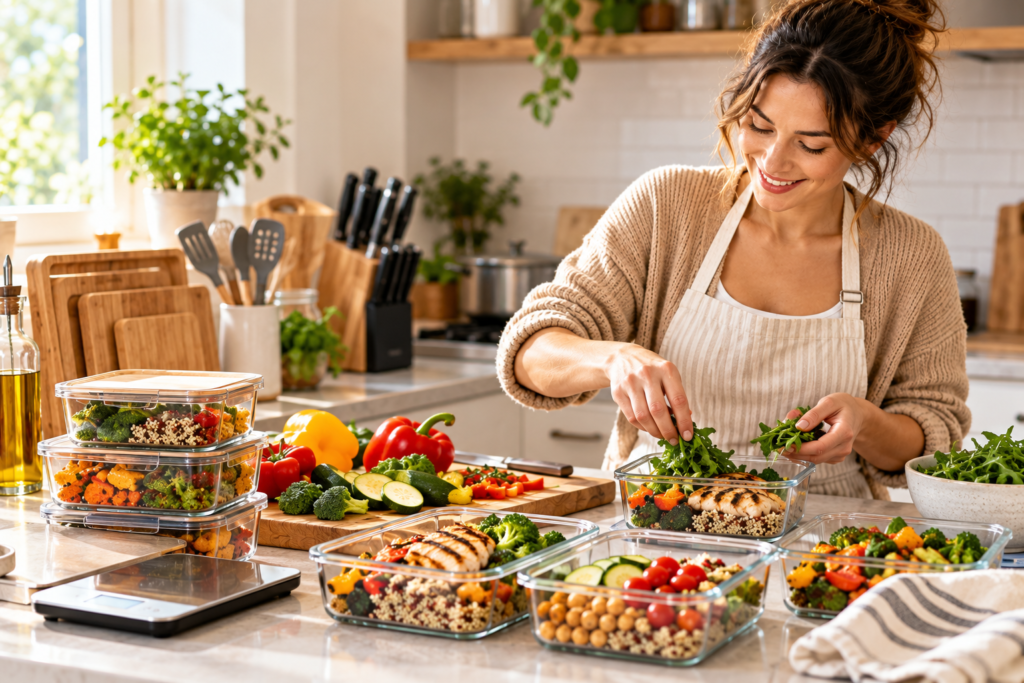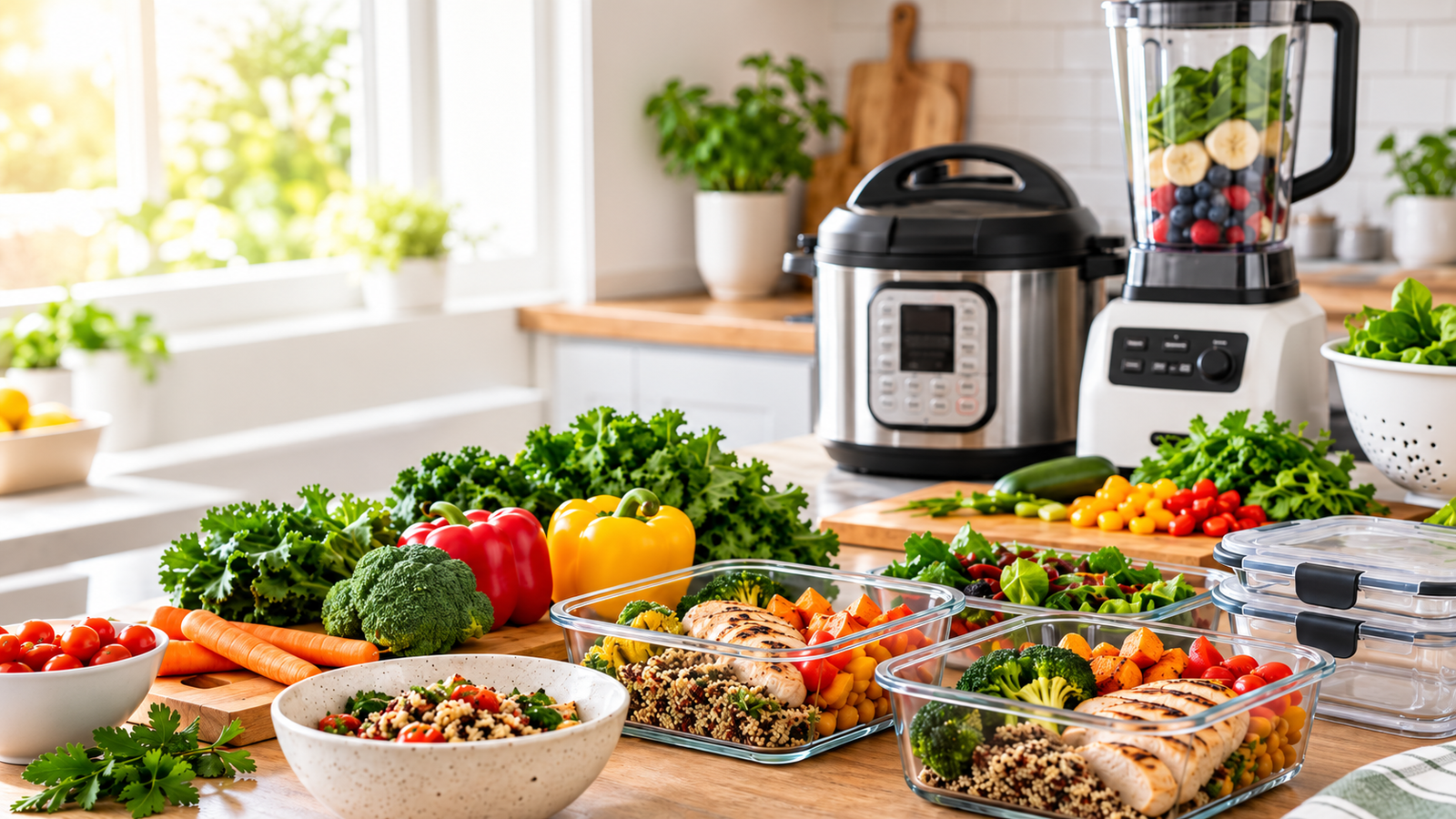
Preparing homemade meals during a busy week can feel challenging, especially when cooking from scratch every evening takes more time and energy than you have available.
That’s where Batch Cooking for Busy Weeks can make a meaningful difference. Instead of preparing one meal at a time, batch cooking allows you to cook larger quantities of versatile ingredients and use them in different dishes throughout the week.
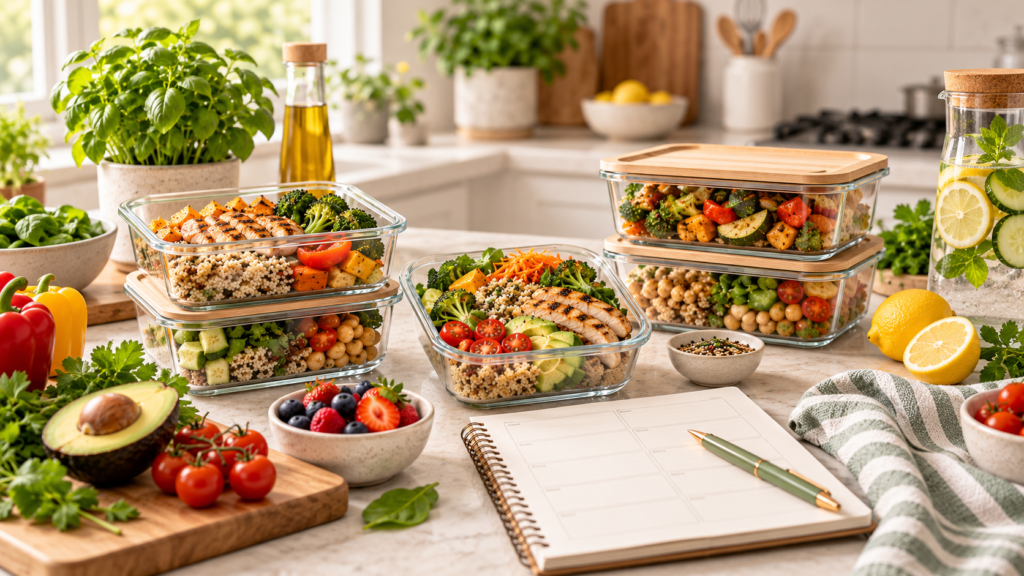
Imagine roasting a tray of vegetables, cooking a batch of quinoa, and preparing your favorite protein in one cooking session. With these basic components ready, you can assemble grain bowls, wraps, salads, and warm dinners without starting from the beginning every day.
Unlike traditional meal planning, which focuses on deciding what to eat, batch cooking focuses on preparing food efficiently. By combining practical cooking techniques, reusable ingredients, and safe food storage habits, you can reduce repetitive kitchen tasks while keeping your meals flexible and varied.
If you’re just beginning to organize your weekly meals, our guide on How to Create a Simple Meal Prep Routine for Busy Weeks offers a helpful starting point for planning and building consistent habits.
In this article, you’ll discover practical batch cooking tips for beginners, ways to prepare multiple meals at once, useful kitchen tools, and strategies for refrigerating or freezing portions safely.
You don’t need professional cooking skills or an entire weekend in the kitchen. With a little organization and a few reliable ingredients, batch cooking can become a practical way to make everyday meals easier.
Plan a Batch Cooking Session That Saves Time
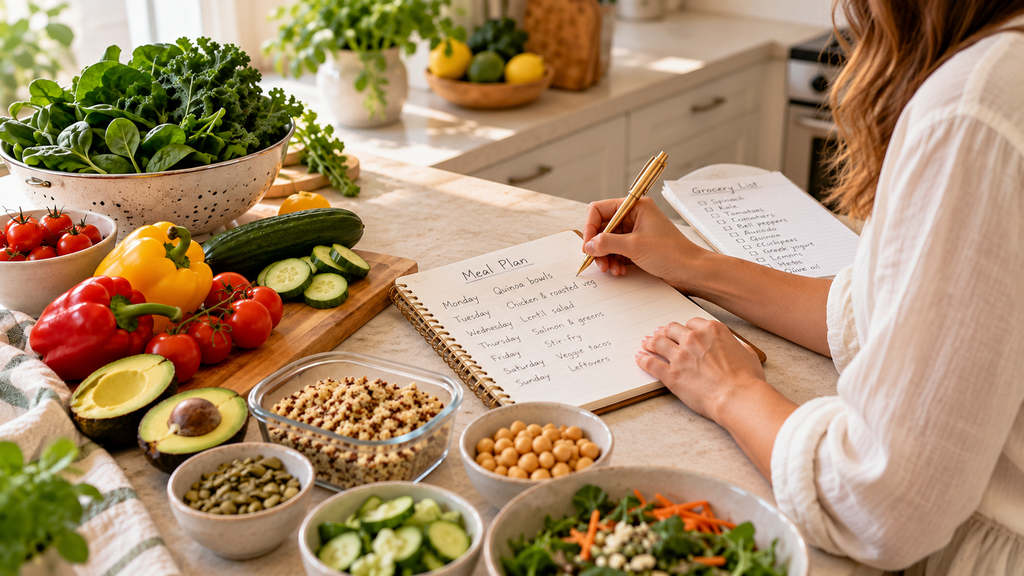
A successful Batch Cooking for Busy Weeks approach starts with deciding what you can prepare together, rather than planning every individual meal in advance.
The idea is simple: use one cooking session to prepare a few versatile ingredients that can become the foundation of several different dishes.
Instead of following multiple complicated recipes, focus on organizing your ingredients, cooking methods, and available kitchen time.
Choose What You’ll Cook in Batches
Begin by selecting two or three foods that can be prepared in larger quantities and used in different meals.
For example, you might choose:
- One protein: Chicken, tofu, turkey, or lentils.
- One grain: Brown rice, quinoa, or whole-wheat pasta.
- One vegetable combination: Broccoli, carrots, zucchini, or bell peppers.
These basic ingredients can later become grain bowls, wraps, salads, or warm dinners without requiring you to cook everything from scratch.
If you’re looking for inspiration on combining everyday ingredients into balanced meals, explore our Everyday Food Choices collection.
Organize Your Cooking Tasks
Before you begin, consider which foods take the longest to cook and which tasks can be completed while something else is in the oven or on the stove.
A simple batch cooking schedule might look like this:
- First 10 minutes: Gather ingredients, wash vegetables, and prepare your workspace.
- Next 15 minutes: Start cooking grains and prepare vegetables for roasting.
- Next 20 minutes: Cook your chosen protein and prepare a simple sauce or dressing.
- Final 15 minutes: Finish cooking, organize portions, and refrigerate or freeze foods promptly using safe cooling practices.
These time estimates are only examples. Actual preparation and cooking times depend on your ingredients, recipes, and equipment. Some tasks may overlap, and food should always be cooked to appropriate safe temperatures.
Focus on Preparing Components, Not Complete Meals
One advantage of batch cooking for beginners is that you don’t have to assemble every meal immediately.
Keeping certain ingredients separate can preserve their texture and allow you to create different combinations throughout the week.
For example, cooked quinoa can be used in a vegetable bowl one day and mixed with chickpeas and fresh herbs the next.
Roasted vegetables can accompany chicken, become part of a wrap, or be served with a warm grain salad.
This approach makes cooking in batches more flexible while helping you avoid repetitive meals.
Prepare the Right Amount for Your Household
Cooking larger quantities doesn’t mean preparing more food than you can reasonably use.
Consider how many people you’re cooking for, how often you’ll eat at home, and which ingredients can be frozen successfully.
Start with modest quantities and adjust as you discover which foods your household enjoys most.
The goal isn’t to fill every container in your refrigerator. It’s to prepare a few useful ingredients that make several upcoming meals easier.
With a thoughtful cooking plan, one preparation session can support multiple meals without taking over your entire day.
Choose the Best Ingredients for Batch Cooking
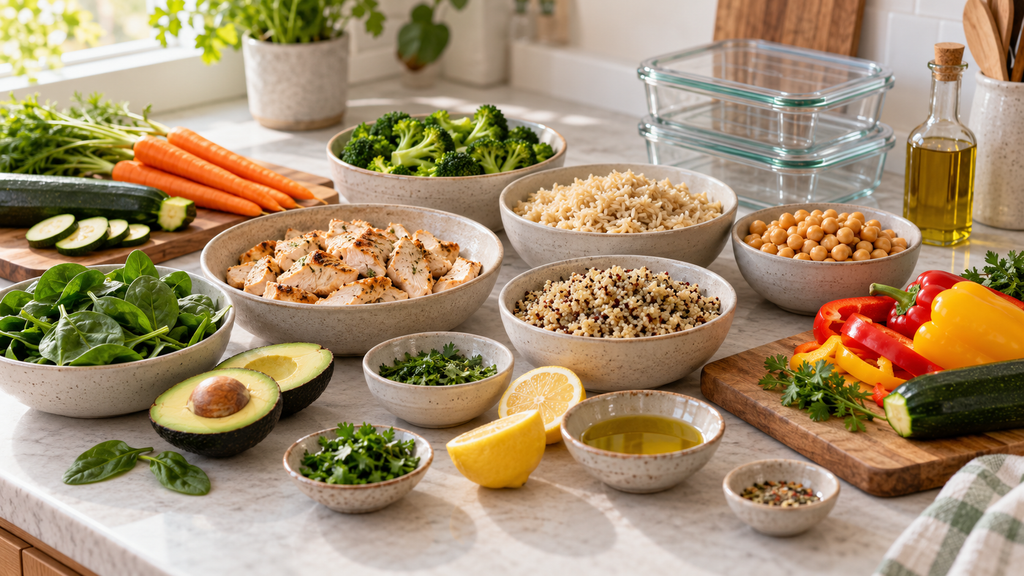
Choosing the right ingredients is an important part of making batch cooking for busy weeks practical and efficient. Some foods are especially convenient to prepare in larger quantities because they can be stored safely and combined into several different meals.
Instead of buying ingredients for five separate recipes, focus on foods that work well together, maintain their quality during storage, and offer flexibility throughout the week.
Select Foods That Cook Well in Larger Batches
Start with two or three ingredients that can form the foundation of several meals.
Some useful batch cooking ingredients include:
- Proteins: Chicken, turkey, tofu, beans, and lentils.
- Grains: Brown rice, quinoa, barley, and whole-wheat pasta.
- Vegetables: Carrots, broccoli, cauliflower, zucchini, and bell peppers.
- Soups and stews: Vegetable soups, lentil stews, and bean-based dishes.
- Sauces: Tomato sauce, homemade pesto, and simple dressings.
Consider preparation time, storage requirements, and how you plan to use each ingredient before choosing your batches.
Choose Ingredients That Share Cooking Methods
One of the most useful time-saving batch cooking tips is preparing foods that can cook using similar methods.
For example, you can roast carrots, broccoli, and cauliflower on separate sections of a baking sheet, provided they have enough space and compatible cooking times.
Meanwhile, quinoa or rice can cook on the stovetop while you prepare another protein.
This helps you make better use of your cooking time without preparing several complicated recipes.
Use One Batch in Multiple Meals
A single batch of cooked lentils can become the foundation for several dishes.
You might use them in:
- A warm lentil and vegetable bowl.
- A simple tomato-based lentil soup.
- A whole-grain wrap with fresh greens.
- A salad with roasted vegetables and lemon dressing.
The same principle works with cooked chicken, chickpeas, quinoa, or roasted vegetables.
By preparing flexible components, you can enjoy different make-ahead meals without repeating the entire cooking process.
Consider Storage Before Cooking
Not every ingredient maintains the same texture after refrigeration or freezing.
Soups, stews, beans, and many cooked grains are often convenient choices for freezing. Delicate salad greens, fresh cucumbers, and certain creamy preparations may be better added closer to serving.
When planning a batch, decide which portions you’ll refrigerate for the next few days and which you’ll freeze promptly for later.
This helps you avoid preparing more food than you can safely store and use.
Build a Practical Batch Cooking Combination
For your next cooking session, consider preparing:
- One batch of quinoa.
- One tray of roasted vegetables.
- One protein or legume dish.
- One homemade sauce.
These components provide a starting point for several meal combinations without requiring an elaborate cooking schedule.
Successful batch cooking is about choosing ingredients that work together, cook efficiently, and remain useful across multiple meals.
With a thoughtful selection of ingredients, one cooking session can make several busy days easier to manage.
Prepare Ingredients Efficiently for Batch Cooking
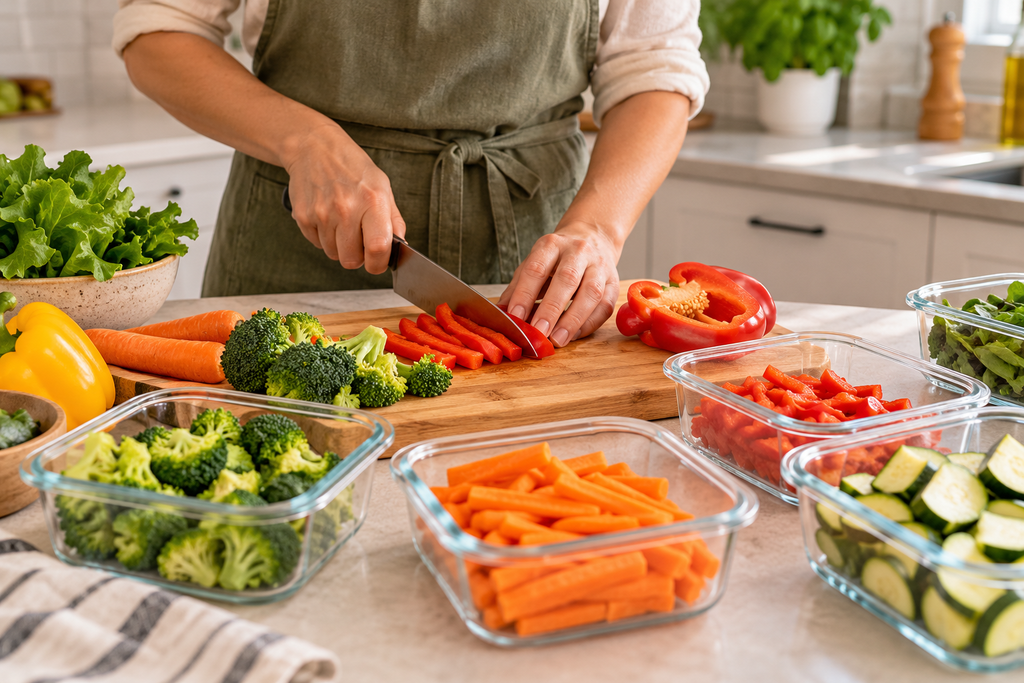
One of the most practical ways to make batch cooking for busy weeks easier is to organize your ingredients before you begin cooking.
Instead of preparing each recipe separately, look for tasks you can complete together. Washing vegetables, chopping ingredients for several dishes, and measuring grains in advance can make your cooking session more efficient.
The goal is to reduce repetitive work while keeping your kitchen organized and your meals flexible.
Set Up Your Cooking Station
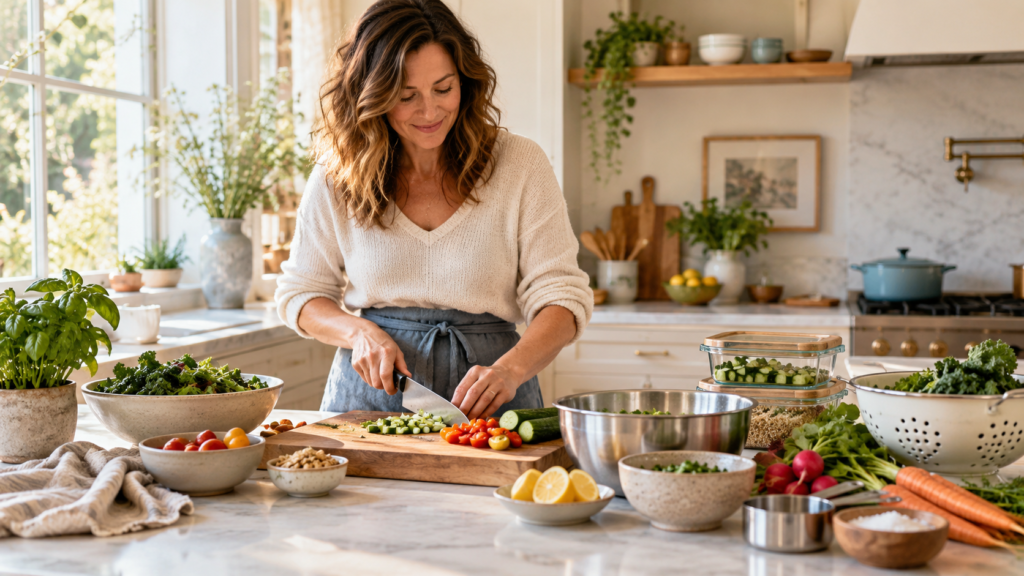
Before turning on the stove or oven, gather the ingredients and equipment you’ll need.
Keep cutting boards, knives, mixing bowls, baking sheets, and food storage containers within easy reach.
A simple preparation checklist might include:
- Wash and dry the vegetables you plan to use.
- Chop ingredients that appear in multiple recipes.
- Measure rice, quinoa, or other grains.
- Prepare marinades, dressings, or seasonings.
- Set out containers for cooked food.
- Review cooking times so you can organize tasks efficiently.
These small steps can help you spend less time moving between preparation and cooking.
Group Similar Preparation Tasks Together
One useful batch cooking technique is to complete similar tasks during the same preparation session.
For example, if three recipes require chopped onions, prepare the amount needed for all three at once.
You can also slice vegetables for roasting while preparing ingredients for a soup or grain bowl.
When handling raw meat or poultry, use separate equipment or thoroughly clean and sanitize shared surfaces before preparing foods that won’t be cooked.
This approach helps simplify food preparation while supporting good kitchen hygiene.
Organize Ingredients by Cooking Time
Not all foods require the same amount of preparation or cooking time.
Start with ingredients that take longer, such as whole grains, certain proteins, or roasted vegetables.
While those foods cook, you can prepare quicker components, such as salad dressings, chopped herbs, or vegetables that require minimal cooking.
For example, during one session, you might:
- Start a pot of brown rice.
- Place seasoned vegetables in the oven.
- Prepare chicken or tofu using a suitable cooking method.
- Mix a simple dressing.
- Portion completed foods into appropriate containers for prompt refrigeration or freezing.
Following a practical sequence can help make cooking multiple meals at once more manageable.
Keep Food Safety Part of Your Preparation
Efficiency should never come at the expense of food safety.
Wash your hands and clean preparation surfaces regularly, especially after handling raw animal products.
Keep raw proteins separate from ready-to-eat ingredients, use a food thermometer when appropriate, and refrigerate perishable prepared foods promptly.
For larger batches, divide cooked foods into shallow containers to help them cool quickly.
Finish With an Organized Kitchen
Cleaning as you go can make a longer cooking session feel less demanding.
Clear used utensils, organize food containers, and wipe preparation surfaces as you finish each task.
You don’t need a perfect kitchen setup. A practical system that reduces unnecessary steps is enough.
Effective batch cooking isn’t about preparing everything at once. It’s about organizing a few cooking tasks so they support several meals throughout the week.
With a little practice, these habits can help make your preparation sessions more efficient and easier to repeat.
Cook Once, Create Several Meals With Batch Cooking
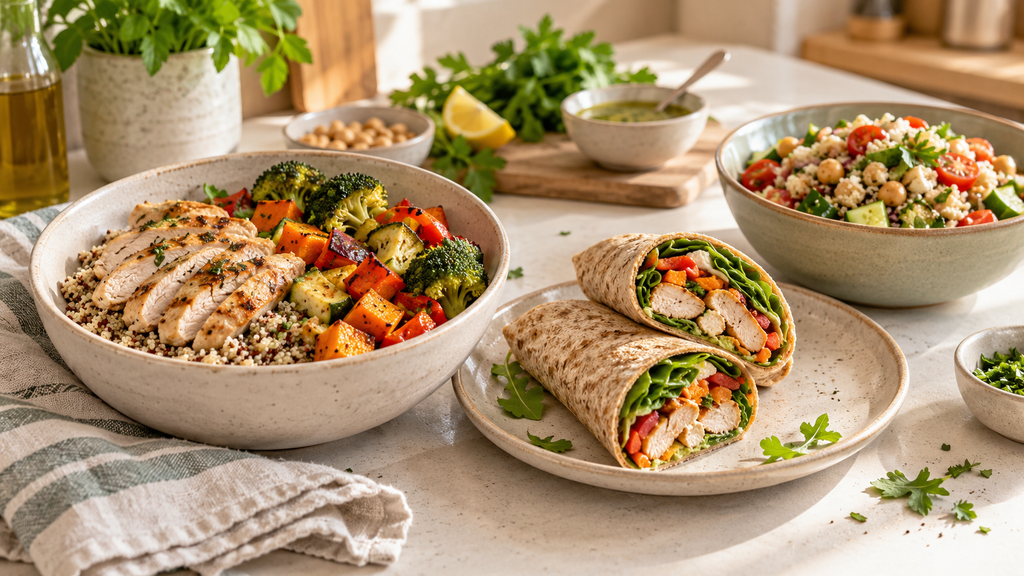
One of the biggest advantages of batch cooking for busy weeks is the ability to prepare food once and use it in several meals without repeating the same cooking tasks every day.
Instead of making multiple complete recipes, you can cook a few basic ingredients in larger quantities and combine them differently throughout the week.
This approach can help save time, simplify your kitchen routine, and make homemade meals easier to enjoy when your schedule gets busy.
Start With a Simple Batch Cooking Combination
You don’t need to prepare five different dishes during one cooking session.
Begin with three basic components:
- One protein: Roasted chicken, baked tofu, or cooked lentils.
- One grain: Brown rice, quinoa, or barley.
- One vegetable combination: Roasted broccoli, carrots, zucchini, or bell peppers.
You can also prepare a simple sauce or dressing to add flavor and variety.
These ingredients provide a flexible foundation for several easy batch cooking meals without requiring complicated recipes.
Turn One Cooking Session Into Three Different Meals
Imagine preparing chicken, quinoa, and roasted vegetables during a single cooking session.
Here’s how you could turn those ingredients into different meals.
Meal 1 — Mediterranean Chicken Bowl
Combine quinoa, roasted vegetables, and sliced chicken. Finish with olive oil, lemon juice, and fresh herbs.
Meal 2 — Chicken and Vegetable Wrap
Fill a whole-wheat tortilla with cooked chicken, roasted vegetables, fresh greens, and a simple yogurt dressing.
Meal 3 — Warm Quinoa and Chickpea Salad
Combine cooked quinoa, chickpeas, and roasted vegetables. Add fresh parsley and a lemon-based dressing.
Each meal uses familiar ingredients but offers a different combination of flavors and textures.
This is one of the easiest ways to make meal prep without eating the same thing every day more practical.
Use Your Cooking Time Efficiently
A good batch cooking strategy allows you to prepare several foods during the same cooking session.
For example, you can:
- Roast vegetables while grains cook on the stovetop.
- Prepare a sauce while chicken or tofu cooks.
- Use the oven for multiple ingredients with compatible cooking temperatures.
- Portion cooked ingredients while organizing the next stage of preparation.
Always follow the appropriate cooking instructions and check safe internal temperatures when preparing meat or poultry.
The goal is to organize your cooking tasks efficiently, not to rush the process.
Store Components Separately for More Flexibility
Keeping some prepared ingredients in separate containers can make it easier to create different meals.
For example, you might store cooked quinoa, roasted vegetables, and chicken separately, then combine them when you’re ready to eat.
This can also help preserve the texture of ingredients that don’t store well when mixed together.
Refrigerate perishable cooked foods promptly in shallow containers. Most cooked leftovers should be consumed within three to four days when properly refrigerated at 40°F (4°C) or below.
Freeze portions you won’t use within that time.
Make Batch Cooking Work for Your Household
You don’t need to cook enormous quantities to benefit from this approach.
If you live alone, preparing two or three extra portions might be enough. For a larger household, you may prefer cooking a bigger batch of ingredients that everyone enjoys.
Pay attention to which foods you use most often and adjust quantities over time.
The purpose of batch cooking isn’t to fill your refrigerator with identical meals. It’s to make a few cooking sessions support several different meals throughout the week.
With a little practice, this approach can help make homemade cooking more convenient without sacrificing flexibility or variety.
Essential Kitchen Tools for Easier Batch Cooking
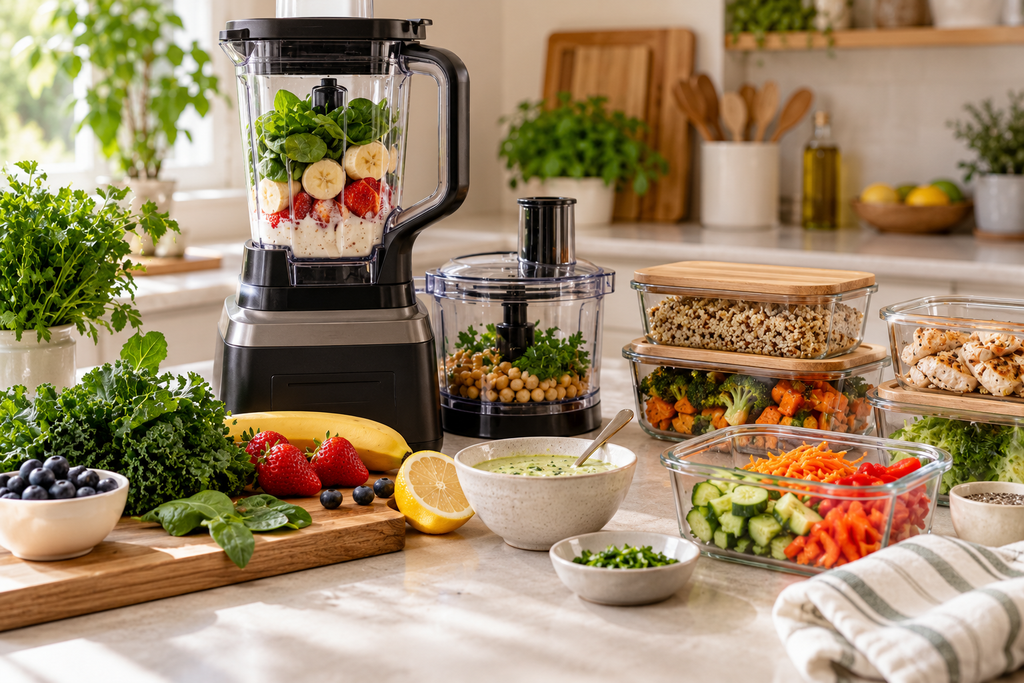
Having the right kitchen tools can make batch cooking for busy weeks more efficient, but you don’t need expensive appliances or a perfectly equipped kitchen to get started.
A reliable knife, a cutting board, a few cooking pans, and suitable food storage containers can already help you prepare several ingredients during one cooking session.
The most useful batch cooking kitchen essentials are the ones that reduce repetitive tasks and make preparing larger quantities of food more manageable.
Choose Tools That Support Cooking in Batches
Before investing in new equipment, consider which preparation tasks take the most time.
If you regularly chop large quantities of vegetables, prepare sauces, or cook grains and proteins for several meals, certain tools may help simplify the process.
Some practical options include:
- Large baking sheets: Useful for roasting several portions of vegetables or proteins at once.
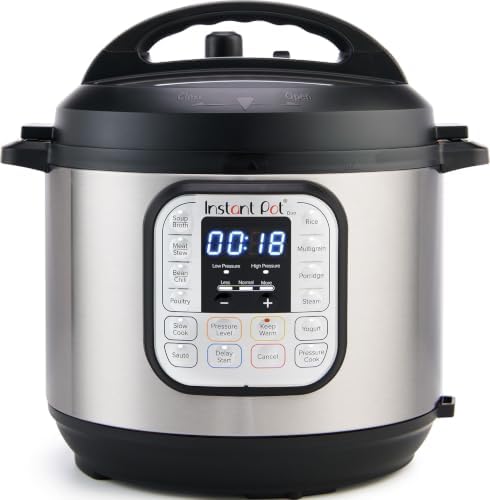
- Electric pressure cookers: Convenient for preparing soups, beans, stews, and other suitable recipes in larger quantities.
- Food storage containers: Helpful for separating cooked ingredients and organizing portions.
- Digital kitchen scales: Useful for measuring ingredients and maintaining consistency when following recipes.
- Blenders and food processors: Practical for preparing sauces, dips, smoothies, and certain mixtures in batches.
You don’t need every item on this list. Choose equipment according to your cooking habits, available storage space, and budget.
Prepare Sauces and Ingredients With a Blender
Making sauces, dressings, and blended preparations ahead of time can help add variety to meals throughout the week.
For example, you might prepare a homemade tomato sauce, blend ingredients for a vegetable dip, or make a simple dressing to accompany grain bowls and salads.
For households that frequently prepare these foods, the Ninja Kitchen System Pro, 1500W is one option to explore. Its blending pitcher and food-processing accessories can support different kitchen preparation tasks.

- ALL-IN-ONE KITCHEN SYSTEM: Blend, chop, crush and more in this powerhouse blender and food processor combo.
- POWERFUL MOTOR:1500-watt motor base to crush ice, blend frozen fruit, and power through tough ingredients with the 2-hor…
- BLENDING TECHNOLOGY: The XL 72-oz.* pitcher, ideal for large batches and entertaining, features Total Crushing Blades th…
Preparing suitable recipes in larger batches allows you to divide them into smaller portions and use them across several meals.
Always follow the manufacturer’s operating instructions, especially when processing hot ingredients, and refrigerate or freeze perishable preparations promptly.
Organize Your Kitchen Before Starting
Efficient batch cooking at home often depends as much on organization as it does on equipment.
Before you begin cooking, gather the utensils, ingredients, and containers you’ll need.
Arrange your workspace so you can move comfortably between chopping, cooking, and portioning.
A practical setup might include:
- A clean area for washing and cutting vegetables.
- A cooking area with the necessary pots, pans, or baking sheets.
- A space for preparing sauces and seasonings.
- Clean food-safe containers ready for portioning and storage.
This simple organization can help reduce unnecessary interruptions during your cooking session.
Use Equipment to Save Time, Not Add Complexity
Kitchen appliances should make your routine easier, not create extra cleaning or preparation work.
If chopping vegetables with a knife takes less time than assembling and cleaning a food processor, the simpler method may be the better choice.
Likewise, roasting ingredients on a baking sheet may be more practical than preparing several separate recipes using different appliances.
Think about which tools you use regularly and which ones genuinely make cooking multiple meals at once easier.
Successful batch cooking doesn’t depend on owning more kitchen equipment. It depends on using practical tools efficiently to prepare food that works for several meals.
By keeping your kitchen setup simple and choosing equipment that supports your needs, you can make batch cooking more comfortable and easier to maintain.
How to Store and Freeze Batch-Cooked Meals Safely
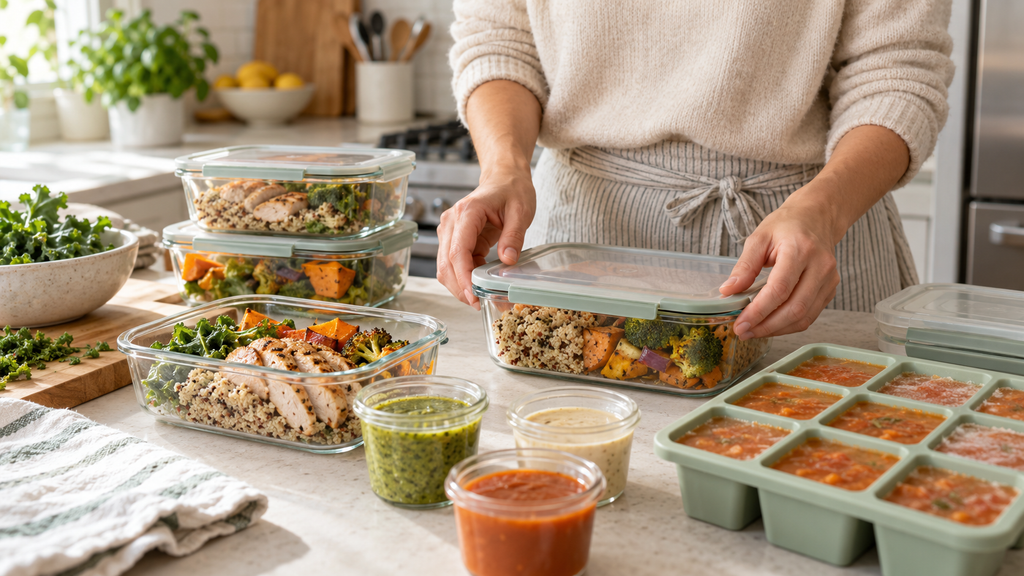
Learning how to store food properly is an essential part of batch cooking for busy weeks. When you prepare several portions during one cooking session, safe storage helps you make the most of your efforts while reducing unnecessary food waste.
Whether you’re cooking grains, roasting vegetables, preparing proteins, or making a large pot of soup, deciding what to refrigerate and what to freeze can make your weekly routine more practical.
A simple storage system also helps you keep track of what you’ve prepared and makes homemade meals easier to enjoy on busy days.
Divide Large Batches Into Smaller Portions
After cooking, avoid leaving large quantities of perishable food sitting on the countertop for extended periods.
Divide prepared foods into shallow, food-safe containers to help them cool more quickly.
This is particularly useful for foods such as:
- Cooked rice, quinoa, and other grains.
- Roasted vegetables and prepared proteins.
- Homemade soups and stews.
- Beans, lentils, and tomato-based sauces.
- Complete meals prepared in larger quantities.
Separating foods into smaller portions also makes it easier to reheat only what you need.
Refrigerate Batch-Cooked Foods Promptly
A reliable batch cooking food storage routine includes keeping perishable foods at safe temperatures.
Refrigerate cooked foods within two hours of preparation, or within one hour when the surrounding temperature exceeds 90°F (32°C).
Keep your refrigerator at 40°F (4°C) or below, and use shallow containers to encourage faster cooling.
Most cooked leftovers should be consumed within three to four days when properly refrigerated.
If you’ve prepared more than you expect to eat during that time, freeze suitable portions promptly.
Avoid waiting for large batches to cool completely at room temperature before placing them in the refrigerator.
Freeze Individual Portions for Future Meals
One of the biggest advantages of freezer-friendly batch cooking is having prepared food available for days when cooking isn’t convenient.
Soups, stews, sauces, and many cooked grains can be divided into smaller servings before freezing.
For example, the Souper Cubes 1 Cup Silicone Freezer Molds provide a practical way to freeze individual portions of soups, broths, sauces, and other suitable preparations.

- SAVE TIME & MONEY WITH SOUPER CUBES: Our 1 cup silicone freezer molds make meal prep simple by helping you portion, free…
- PORTION, FREEZE & REHEAT WITH EASE: Souper Cubes silicone food molds feature convenient 1/2 cup and 1 cup fill lines wit…
- STURDY, EASY-RELEASE DESIGN: Souper Cubes silicone cubes for freezing food feature thick durable walls, a steel-reinforc…
Once portions are fully frozen, they can be transferred to appropriate freezer-safe containers or bags, following the manufacturer’s instructions and safe food-handling practices.
This approach can make it easier to use the amount you need without thawing an entire batch.
Label and Organize Your Freezer
When you’re preparing several foods during the same session, it’s easy to forget what each container holds.
A simple labeling habit can make batch cooking meal storage much easier.
Consider including:
- The name of the prepared food.
- The date it was cooked or frozen.
- The approximate number of portions.
- Any useful reheating notes.
Keep older prepared foods accessible so you can use them before newer batches.
For best quality, consider how well each recipe freezes and whether its texture may change after thawing.
Thaw and Reheat Foods Safely
Proper reheating is just as important as safe storage.
Frozen leftovers can be thawed in the refrigerator, in cold water using appropriate precautions, or in the microwave.
Foods thawed in cold water or the microwave should be cooked or reheated promptly.
When reheating leftovers, bring them to an internal temperature of 165°F (74°C). Use a food thermometer when appropriate to check that the food is heated thoroughly.
If you’re using a microwave, stir or rotate the food when possible and allow standing time to help distribute heat evenly.
For additional food safety guidance, consult the USDA Food Safety and Inspection Service.
Build a Storage System That Fits Your Cooking Habits
You don’t need a large freezer or dozens of matching containers to benefit from preparing meals in batches.
Start with a few containers that fit your household needs and the available space in your refrigerator and freezer.
Keep the meals you’ll use soon refrigerated and freeze suitable extra portions for another day.
Successful batch cooking isn’t only about preparing more food in less time. It’s also about storing that food safely so it remains useful throughout your week.
With reliable storage habits, you can enjoy the convenience of cooking ahead while keeping your kitchen routine organized and manageable.
Make Batch Cooking Work With Your Weekly Schedule
Making batch cooking for busy weeks part of your life doesn’t mean spending every Sunday preparing large quantities of food. The most effective approach is one that fits your available time, cooking preferences, and household needs.
Once you’ve learned how to prepare versatile ingredients, cook several portions efficiently, and store food safely, the next step is finding a rhythm you can comfortably maintain.
Try Two Short Cooking Sessions
Instead of preparing everything in one day, consider dividing your batch cooking into two manageable sessions.
For example:
- Sunday: Cook a batch of grains, roast vegetables, and prepare a protein.
- Wednesday: Prepare another protein or vegetable dish and replenish ingredients as needed.
This approach helps you enjoy freshly prepared foods throughout the week without relying on one long cooking session.
You can also freeze extra portions during either session for future meals.
Keep a Few Freezer-Friendly Options Ready
Having a small selection of make-ahead freezer meals can be particularly helpful during unexpected schedule changes.
Consider preparing extra portions of soups, stews, tomato-based sauces, or cooked beans whenever you’re already making these dishes.
Freeze suitable portions promptly, label them with the preparation date, and use them when you need a convenient homemade meal.
Adjust Your Batch Sizes Over Time
One of the most useful batch cooking tips for beginners is learning how much food your household actually consumes.
If you regularly have unused leftovers, prepare smaller quantities next time. If your prepared ingredients disappear quickly, consider increasing the amount slightly.
There is no perfect number of portions that works for everyone.
The best batch cooking routine is one that saves you time without creating unnecessary work or food waste.
By keeping your cooking sessions manageable and adjusting them to your schedule, you can enjoy the benefits of preparing meals ahead while maintaining flexibility throughout the week.
Frequently Asked Questions About Batch Cooking
1. What is batch cooking, and how does it work?
Batch cooking is a method of preparing larger quantities of food during one cooking session so you can use them in different meals throughout the week. Instead of cooking every dish from scratch, you prepare versatile ingredients such as grains, proteins, roasted vegetables, or soups ahead of time. Batch cooking for busy weeks can help reduce repetitive kitchen tasks while keeping meals convenient and flexible.
2. What is the difference between batch cooking and meal prepping?
Meal prepping is a broader approach that includes planning meals, organizing ingredients, and preparing food in advance. Batch cooking is one method of meal preparation that focuses on cooking larger quantities at once. While traditional meal prep may involve assembling complete meals into individual containers, batch cooking often involves preparing separate ingredients that can be combined into different dishes.
3. What are the best foods to prepare in large batches?
Some practical batch cooking ingredients include rice, quinoa, lentils, beans, roasted vegetables, cooked chicken, tofu, soups, and tomato-based sauces. Choose foods that maintain their quality during refrigeration or freezing and can be used in multiple recipes. Delicate ingredients, such as fresh salad greens, may be better added closer to serving time.
4. How much time should I set aside for batch cooking?
A beginner can start with a 45- to 60-minute cooking session, depending on the recipes and ingredients selected. Preparing a grain, roasting vegetables, and cooking a protein simultaneously may help reduce overall preparation time. More elaborate recipes or larger quantities may require longer. The goal is to organize cooking tasks efficiently rather than complete everything within a strict time limit.
5. How long can batch-cooked meals stay in the refrigerator?
Most cooked leftovers can be stored safely in the refrigerator for three to four days when kept at 40°F (4°C) or below. Refrigerate perishable foods within two hours of cooking, or within one hour when temperatures exceed 90°F (32°C). Divide large batches into shallow containers to help them cool quickly, and freeze portions you won’t use within the recommended refrigeration period.
6. Can I freeze batch-cooked meals for later?
Yes. Many freezer-friendly batch cooking recipes, including soups, stews, cooked beans, and tomato-based sauces, can be frozen in individual portions. Use freezer-safe containers, label them with the contents and preparation date, and keep your freezer at 0°F (-18°C) or below. Freezing preserves food safety when handled correctly, although texture and flavor may change during prolonged storage.
7. How can I batch cook without eating the same meals every day?
Prepare a few versatile ingredients separately and combine them in different ways. For example, roasted vegetables, quinoa, and cooked chicken can become a grain bowl, a wrap, or a warm salad. Changing sauces, herbs, and seasonings also helps create variety. This approach makes cooking multiple meals at once more practical without requiring an entirely different recipe for each day.
Final Thoughts: Make Batch Cooking Work for You
Creating a practical approach to batch cooking for busy weeks doesn’t require preparing every meal in advance or spending an entire weekend in the kitchen. It starts with choosing a few versatile ingredients, organizing your cooking tasks, and preparing food in quantities that make sense for your household.
By cooking grains, proteins, vegetables, or freezer-friendly dishes in batches, you can reduce repetitive kitchen tasks while keeping your meals varied and flexible.
The key is to find a balance between convenience and realistic expectations. Some weeks, you may prepare several dishes ahead of time. During others, cooking one extra batch of soup or roasting additional vegetables may be enough.
Remember that time-saving cooking habits should make everyday life easier, not create another demanding responsibility.
Start with a simple cooking session, learn which ingredients work best for your routine, and adjust your approach as your needs change.
With thoughtful preparation and safe storage habits, batch cooking can become a practical way to enjoy more homemade meals while spending less time worrying about what to cook next.
“Batch cooking isn’t about preparing more food than you need. It’s about making the time you spend cooking work for more than one meal.”
Essential Kitchen Tools for Batch Cooking
Having a few practical kitchen tools can make batch cooking for busy weeks easier to organize and manage. From preparing ingredients in larger quantities to cooking multiple portions and storing homemade meals safely, the right equipment can help simplify everyday kitchen tasks.
The following six kitchen essentials support different stages of batch cooking, including chopping vegetables, roasting ingredients, preparing one-pot meals, measuring portions, and organizing food for later use.
You don’t need every tool to get started. Choose the options that best fit your cooking habits, available space, and budget.
As an Amazon Associate, I earn from qualifying purchases.