A more balanced week often begins with something surprisingly simple: knowing what you’re going to eat before the day gets busy.
Between work, family responsibilities, grocery shopping, and everyday commitments, preparing nutritious meals can sometimes feel overwhelming. Without a little organization, it’s easy to fall into last-minute decisions, repetitive meals, or unnecessary grocery purchases.
The good news is that building healthy meal planning habits doesn’t require strict diets, complicated recipes, or spending your entire weekend in the kitchen.
A few thoughtful changes can help you organize your grocery shopping, use ingredients more efficiently, enjoy a greater variety of foods, and make mealtimes feel less stressful.
Whether you’re planning meals for yourself or your family, the goal is to create a flexible routine that works with your lifestyle — not against it.
In this guide, you’ll discover 10 practical habits to make weekly meal planning simpler, more organized, and easier to maintain. You’ll also find helpful tools and ideas to support your routine without making healthy eating unnecessarily complicated.
1. Start With a Simple Weekly Meal Planning Routine

One of the easiest ways to develop healthy meal planning habits is to set aside a few minutes each week to organize your meals before the busy days begin.
Start by looking at your schedule. Are there evenings when you’ll have little time to cook? Days when everyone in the family will be eating at different times? Or weekends when you can prepare something a little more elaborate?
Understanding your routine helps you choose meals that fit your lifestyle instead of creating a plan that’s difficult to follow.
Here are four simple ways to get started:
- Choose a planning day. Set aside 10 to 15 minutes every Sunday, or whenever your week begins, to think about upcoming meals.
- Identify your busiest days. Reserve quick, easy recipes for evenings when time is limited.
- Plan a few meals first. Start with three or four dinners rather than trying to organize every meal of the week.
- Keep your plan flexible. Leave space for leftovers, family preferences, and unexpected schedule changes.
For example, you might plan a simple chicken and vegetable dinner for Monday, a quick grain bowl for Tuesday, and a comforting homemade soup for Wednesday.
The goal isn’t to create a perfect menu. It’s to make everyday food decisions easier, one week at a time.
Helpful tip: Write your weekly meal ideas in a notebook, on your phone, or on a reusable kitchen planner so everyone in your household can see what’s coming next.
2. Check Your Refrigerator and Pantry Before Shopping
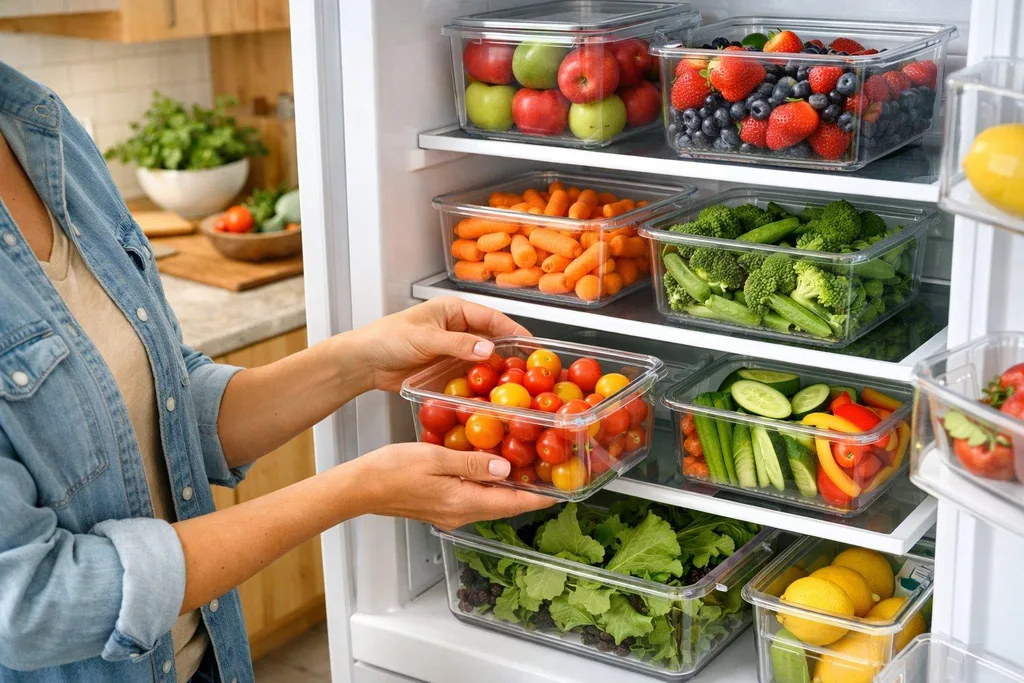
Before adding new ingredients to your grocery list, take a few minutes to explore what you already have in your kitchen.
This simple habit can help you avoid unnecessary purchases, make better use of existing ingredients, and reduce food waste throughout the week.
Start by checking your refrigerator for fresh vegetables, fruits, dairy products, and other perishable foods that may need to be used soon. Next, look through your pantry for grains, canned beans, pasta, and other staples that could become part of your upcoming meals.
Don’t forget your freezer. Frozen vegetables, proteins, and previously prepared meals can provide convenient options for busy days.
A quick kitchen inventory can include:
- Refrigerator: Identify fresh ingredients that should be used first, checking expiration dates and signs of spoilage.
- Pantry: Review grains, legumes, canned goods, and other ingredients that can help build complete meals.
- Freezer: Check available frozen foods and properly labeled leftovers before purchasing more.
- Storage areas: Organize frequently used ingredients so they’re easier to find when preparing meals.
For example, if you already have brown rice, canned chickpeas, and a few fresh vegetables, you may only need one or two additional ingredients to create a satisfying meal.
Keeping your refrigerator organized can also make this process easier. Clear storage organizers can help group certain packaged foods and make ingredients more visible, provided they don’t block airflow or interfere with safe food storage.
By making this quick inventory part of your healthy meal planning habits, you’ll be better prepared to create a grocery list based on what your household actually needs.
Helpful tip: Keep a small note on your phone with ingredients that need to be used soon. You can use it when choosing meals for the coming days.
3. Build a Grocery List Around Your Planned Meals
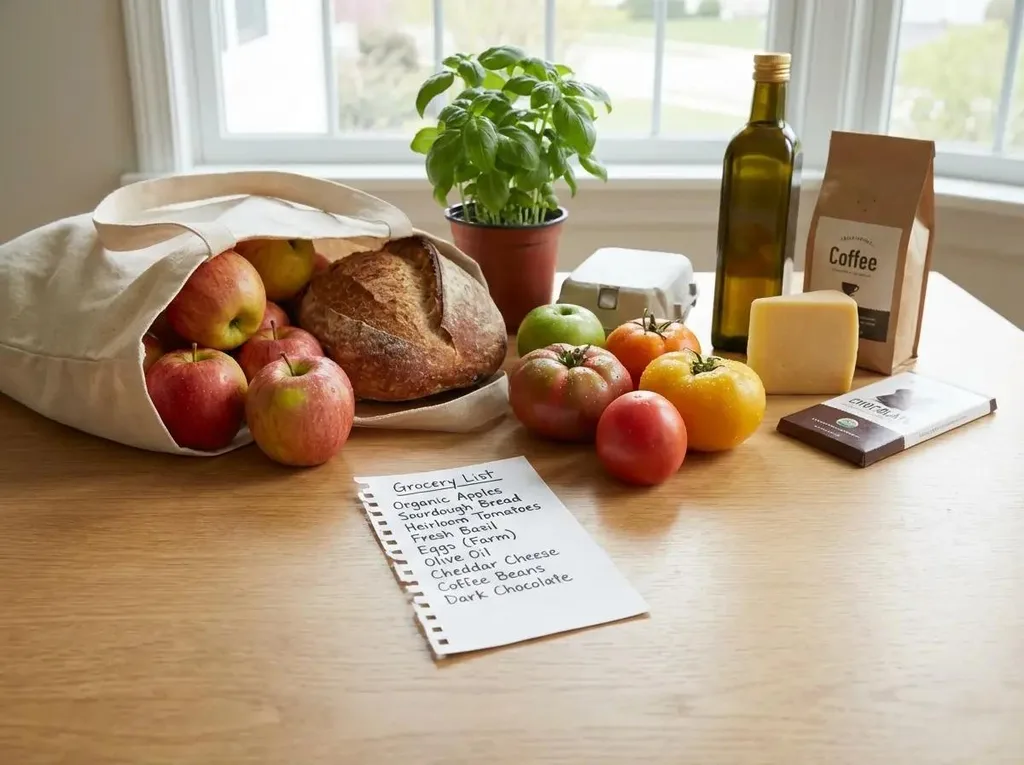
Once you know which ingredients are already available in your kitchen, the next step is to create a grocery list that supports the meals you want to prepare.
Instead of adding random items to your shopping cart, think about what each meal will require. This approach helps you shop with a clearer purpose, avoid buying unnecessary ingredients, and make better use of your grocery budget.
For example, if you’re planning vegetable stir-fry, homemade soup, and a simple chicken dinner, look for ingredients that can work across multiple recipes. Carrots, onions, leafy greens, and whole grains are versatile options that can help you prepare different meals without purchasing an entirely separate set of ingredients for each dish.
Try organizing your grocery list into these categories:
- Fresh produce: Vegetables and fruits for meals, snacks, and side dishes.
- Protein foods: Chicken, fish, eggs, beans, lentils, or tofu.
- Whole grains and starches: Brown rice, oats, potatoes, quinoa, or whole-grain pasta.
- Dairy or fortified alternatives: Milk, yogurt, or suitable plant-based options.
- Pantry essentials: Olive oil, canned tomatoes, herbs, and seasonings.
Before shopping, review your list one last time and remove anything you already have at home.
A Helpful Tool for Organizing Meals and Groceries
If you prefer keeping your weekly plans somewhere visible, a magnetic meal planner can be a convenient addition to your kitchen.
The Sweetzer & Orange Gold Meal Planner and Grocery List Magnetic Notepad provides a dedicated place to organize meal ideas and grocery reminders, helping you keep both tasks together.
You can attach it to your refrigerator and update your shopping list whenever you notice an ingredient running low.
Explore the Sweetzer & Orange Meal Planner on Amazon:

- WHAT’S FOR DINNER? For all the parents who hear this every day and all the health conscious souls planning their week, t…
- THICK, LUXURY PAPER: For many people a food journal is a work of art to be looked back on, and for busy parents, sometim…
- DOUBLE MAGNETS: We’ve also experienced the “weak” magnetic meal planner, you know the ones – the meal plan notepad that …
A planning tool isn’t essential, but it may make your healthy meal planning habits easier to maintain if you enjoy writing things down and keeping reminders visible.
The most important part is choosing a system you’ll actually use, whether that’s a magnetic notepad, a digital list, or a simple notebook.
4. Plan for Variety Instead of Repeating the Same Meals
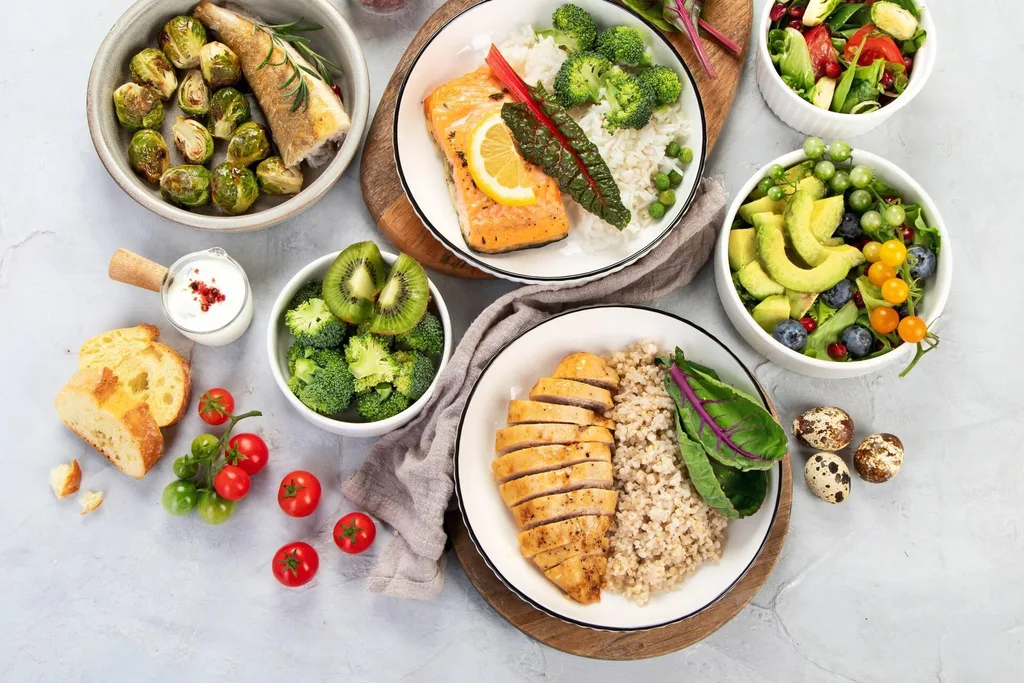
Eating the same meals every day might seem convenient, but including different foods throughout the week can make your menu more enjoyable while helping you obtain a wider range of nutrients.
One of the most practical healthy meal planning habits is to build variety into your weekly menu without feeling pressured to prepare a completely different recipe every day.
Instead of planning complicated dishes, start with a few versatile ingredients that can be combined in different ways.
For example, brown rice can become the base of a vegetable bowl, a side dish for baked chicken, or part of a simple bean and rice meal.
Likewise, vegetables such as broccoli, carrots, zucchini, and bell peppers can be roasted, steamed, or added to soups and stir-fries.
Create Balanced Combinations With Simple Food Groups
A practical way to organize your meals is to include different food groups throughout the week.
Here are some simple options to consider:
- Vegetables: Broccoli, spinach, carrots, and bell peppers add color, texture, and a variety of nutrients to your meals.
- Fruits: Apples, berries, oranges, and bananas are convenient options for breakfast, snacks, or alongside meals.
- Protein Foods: Chicken, fish, eggs, beans, lentils, and tofu provide different ways to include protein in your weekly menu.
- Whole Grains: Brown rice, quinoa, oats, and whole-wheat pasta offer versatile options for breakfasts, lunches, and dinners.
- Dairy or Fortified Alternatives: Plain yogurt, milk, and fortified soy milk can be included according to your dietary preferences and needs.
- Healthy Fat Sources: Olive oil, nuts, seeds, and avocado can add flavor and variety to everyday meals.
You don’t have to include every food group in every meal. Instead, focus on variety across your overall eating pattern, based on your individual needs and preferences.
For additional guidance, explore the USDA MyPlate healthy eating recommendations, which provide practical information about building balanced eating patterns.
Rotate Ingredients Throughout the Week
A simple ingredient rotation can help you avoid menu fatigue.
For example, you might choose chicken on Monday, a lentil-based meal on Tuesday, fish or tofu on Wednesday, and a vegetable-rich pasta dish on Thursday.
This approach allows you to enjoy different flavors and textures while keeping your grocery shopping organized.
Helpful tip: Choose two vegetables, two protein sources, and two grains you enjoy each week. Mix and match them with other ingredients to create several meals without starting from scratch every time.
Remember, healthy eating doesn’t require perfection. A flexible routine that includes a variety of foods is often easier to maintain than a restrictive menu.
5. Choose Meals Based on Your Available Time
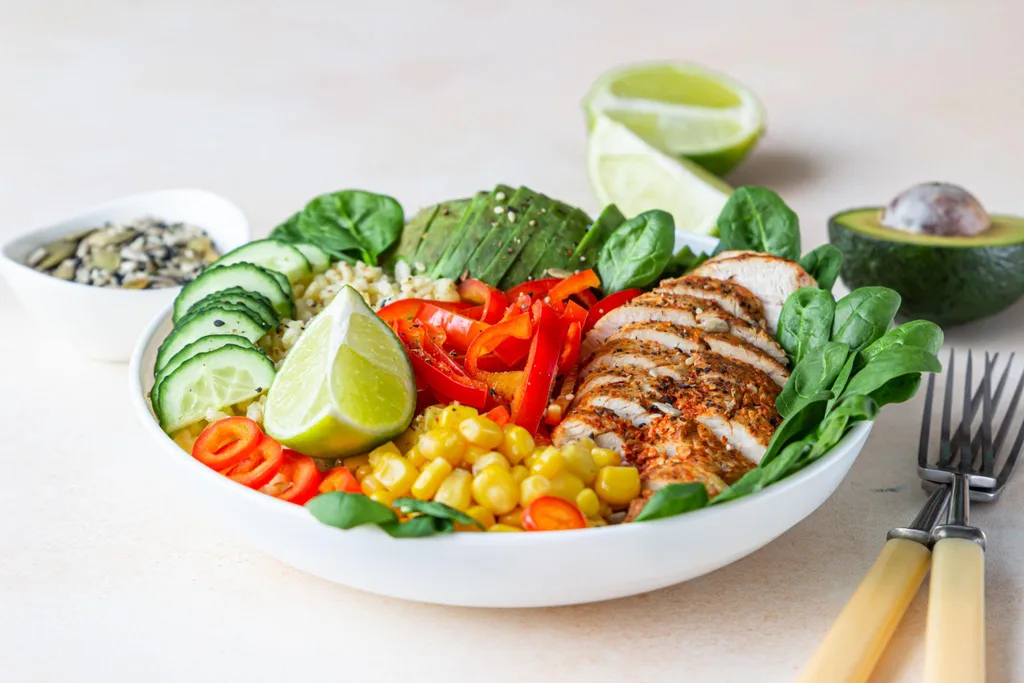
Not every day of the week offers the same amount of time for cooking. Some evenings are filled with work commitments, family activities, or unexpected responsibilities, while others allow you to spend a little more time preparing meals.
One of the most effective healthy meal planning habits is learning to match your meals to your daily schedule.
Instead of choosing recipes based only on what sounds appealing, consider how much time and energy you’ll realistically have when it’s time to cook.
This simple adjustment can help you avoid last-minute frustration and make your weekly menu easier to follow.
Keep Quick Meal Options for Busy Days
On particularly busy days, focus on meals that require fewer ingredients and minimal preparation.
Some practical options include:
- Whole-grain wraps: Fill them with vegetables, beans, chicken, or another protein you enjoy.
- Simple grain bowls: Combine cooked brown rice or quinoa with vegetables and a protein source.
- Vegetable omelets: Prepare eggs with spinach, mushrooms, or bell peppers and serve with whole-grain toast.
- Quick homemade soups: Use canned beans, frozen vegetables, and pantry staples to create a convenient meal.
- Easy pasta dishes: Combine whole-grain pasta with tomato sauce, vegetables, and your preferred protein.
These meals provide flexibility without requiring complicated cooking techniques.
Save More Involved Recipes for Flexible Days
When your schedule allows, you can prepare meals that require a little more attention.
For example, weekends or quieter evenings may be a good opportunity to make roasted chicken with vegetables, homemade chili, baked fish, or a family casserole.
You can also prepare extra ingredients for another meal, as long as they’re cooled, stored, and reheated safely.
The idea isn’t to spend all your free time cooking. It’s to use your available time strategically so that busier days feel more manageable.
Create a Personal List of Reliable Meals
Think about five or six meals that your household already enjoys and that you can prepare with confidence.
Keep those recipes in a notebook, digital document, or saved recipe collection.
When planning your week, choose from this familiar list before adding something new.
Helpful tip: Organize your favorite recipes into three categories: meals ready in about 15 minutes, meals that take approximately 30 minutes, and recipes that require more preparation.
This makes choosing what to cook much easier when you’re looking at your weekly schedule.
Remember, a realistic meal plan is more valuable than an ambitious menu that’s difficult to maintain.
6. Use a Flexible Weekly Meal Planning Framework
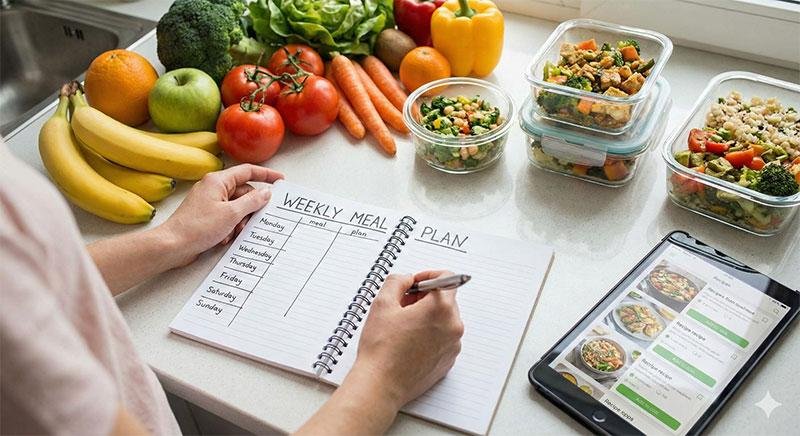
Creating a weekly meal plan doesn’t mean you need to follow a strict menu or prepare seven completely different dinners.
In fact, one of the most sustainable healthy meal planning habits is using a simple framework that provides enough structure to guide your choices while leaving room for changes.
Instead of deciding exactly what you’ll eat every day, try assigning a general meal theme to each day of the week.
This approach can help reduce daily decision-making while allowing you to adjust ingredients, recipes, and portions according to your preferences.
A Simple Seven-Day Meal Planning Example
Here’s an example of how you might organize a balanced week without making your routine complicated:
- Monday – Protein and Vegetables: Start the week with baked chicken, roasted vegetables, and brown rice. Substitute tofu or beans if you prefer a plant-based option.
- Tuesday – Plant-Forward Dinner: Prepare a comforting lentil and vegetable soup with whole-grain bread.
- Wednesday – Quick and Easy Meal: Choose a vegetable omelet or tofu scramble served with whole-grain toast.
- Thursday – Fish or Alternative Protein: Enjoy baked salmon with quinoa and steamed broccoli, or replace the fish with another protein you enjoy.
- Friday – Family Favorite: Prepare whole-grain pasta with tomato sauce, vegetables, and your preferred protein.
- Saturday – Flexible Leftover Day: Create a grain bowl using safely stored leftovers and fresh ingredients already available in your kitchen.
- Sunday – Simple Home-Cooked Meal: Make a vegetable and bean chili or another comforting dish that fits your household’s preferences.
This example is meant to inspire your planning, not serve as a prescribed nutrition plan. Feel free to swap days, replace ingredients, or adjust meals based on your dietary needs and schedule.
Keep Your Weekly Plan Adaptable
Some weeks will be more predictable than others.
You might plan a homemade dinner for Thursday, only to discover that you have an unexpected commitment or less time to cook.
When that happens, simply move the meal to another day and choose something easier.
You can also keep one flexible evening available for leftovers, a convenient pantry-based meal, or a family favorite.
Helpful tip: Choose three or four priority meals each week and treat the remaining days as flexible options. This gives you direction without making your schedule feel restrictive.
A good weekly meal planning framework should make life easier, not create additional pressure.
The more comfortable you become with this approach, the easier it can be to organize meals around your actual routine.
7. Make Room for Leftovers and Reduce Food Waste

A well-organized meal plan doesn’t have to involve cooking something completely new every day. Sometimes, making better use of the food you’ve already prepared is one of the easiest ways to simplify your weekly routine.
Including leftovers in your healthy meal planning habits can help you save time, reduce unnecessary grocery purchases, and make better use of ingredients that might otherwise go to waste.
For example, roasted vegetables from dinner can become part of a grain bowl the following day. Cooked chicken can be added to a salad or wrap, while extra beans can be incorporated into soups or other simple dishes.
The goal isn’t to eat the same meal repeatedly. It’s to find practical ways to transform available ingredients into something enjoyable.
Turn Leftovers Into New Meal Ideas
Rather than viewing leftovers as unfinished meals, consider them convenient ingredients for your next recipe.
Here are a few simple combinations:
- Roasted vegetables: Add them to whole-grain pasta, rice bowls, or vegetable wraps.
- Cooked chicken: Use it in salads, sandwiches, or quick grain bowls.
- Brown rice or quinoa: Combine with beans, vegetables, and your favorite seasonings.
- Cooked beans and lentils: Add them to soups, vegetable dishes, or homemade chili.
- Extra fresh vegetables: Incorporate them into omelets, stir-fries, or simple side dishes while they’re still fresh and safe to eat.
These small adjustments can help create variety without requiring an entirely new grocery list.
Store Leftovers Safely for Future Meals
Making good use of leftovers also means understanding how to store and handle them properly.
According to the USDA Food Safety and Inspection Service, most cooked leftovers can be refrigerated for three to four days when stored correctly.
For safer food storage:
- Refrigerate promptly: Place perishable leftovers in the refrigerator within two hours of cooking or serving, or within one hour when temperatures are above 90°F (32°C).
- Use suitable containers: Divide large quantities into shallow, covered containers to help foods cool quickly.
- Maintain safe temperatures: Keep your refrigerator at 40°F (4°C) or below.
- Label your leftovers: Write the preparation date on containers so you can easily identify when they should be used.
- Reheat thoroughly: Heat leftovers to an internal temperature of 165°F (74°C), checking with a food thermometer.
- Freeze when appropriate: If you won’t use refrigerated leftovers within the recommended period, freeze them promptly for longer storage.
Make Leftovers Part of Your Weekly Routine
When organizing your weekly menu, consider leaving one day open for meals made with safely stored leftovers.
You might also prepare a slightly larger quantity of an ingredient you already enjoy, provided you have a plan for storing and using it safely.
Helpful tip: Before preparing a new meal, check your refrigerator for ingredients that should be used first. This quick habit can help reduce food waste while keeping your weekly meals flexible.
Over time, learning to reuse ingredients thoughtfully can make meal planning feel more practical, economical, and manageable.
8. Keep a Few Convenient Healthy Staples Available
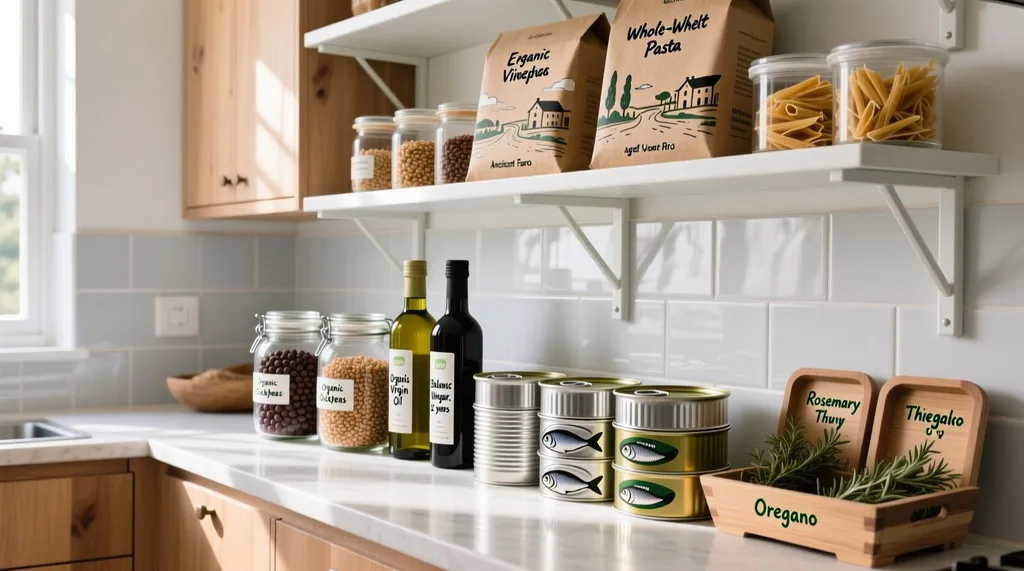
Even with a well-organized weekly menu, unexpected changes can happen. You might arrive home later than planned, forget an ingredient, or simply have less energy to cook.
Keeping a small selection of nutritious pantry, refrigerator, and freezer staples can make these situations easier to manage.
One of the most practical healthy meal planning habits is making sure you have versatile ingredients available for simple meals without requiring another trip to the grocery store.
You don’t need an overflowing pantry or an expensive collection of specialty foods. A few dependable ingredients can provide plenty of flexibility.
Stock Your Pantry With Versatile Ingredients
Pantry staples are especially useful because many can be stored for extended periods when kept according to package instructions.
Consider keeping some of these options available:
- Beans and lentils: Convenient sources of plant-based protein and fiber that work well in soups, salads, and grain bowls.
- Whole grains: Brown rice, oats, quinoa, and whole-wheat pasta can serve as the foundation for different meals.
- Canned tomatoes: Useful for preparing homemade sauces, chili, and vegetable-based dishes.
- Nut and seed butters: Convenient additions to breakfasts or snacks, when appropriate for your household’s dietary needs.
- Olive oil, herbs, and spices: Simple ingredients that help bring flavor and variety to everyday cooking.
When choosing canned or packaged foods, compare nutrition labels and consider lower-sodium or no-added-sugar options when appropriate.
Make Your Refrigerator and Freezer Work for You
Your refrigerator and freezer can also help you maintain flexibility during a busy week.
Frozen foods are particularly convenient because they allow you to keep certain ingredients available without relying entirely on fresh produce.
Some useful options include:
- Frozen vegetables: Broccoli, green beans, spinach, and mixed vegetables can be added to a variety of meals.
- Frozen fruits: Berries, mango, and other fruits work well in smoothies, oatmeal, or yogurt bowls.
- Eggs or tofu: Versatile refrigerated protein options for quick meals.
- Plain yogurt or fortified alternatives: Convenient ingredients for breakfast, snacks, and simple preparations.
- Frozen proteins: Chicken, fish, or suitable plant-based alternatives that can be thawed and prepared following food safety guidelines.
Remember to check storage instructions and use refrigerated and frozen foods within recommended time frames.
Create Simple Meals From What You Already Have
Having dependable ingredients available makes it easier to prepare satisfying meals without following a complicated recipe.
For example, you could combine canned chickpeas, brown rice, and frozen vegetables to create a quick grain bowl.
Another option is whole-wheat pasta with canned tomatoes, spinach, and white beans.
For breakfast, oats topped with frozen berries and plain yogurt can provide a convenient alternative to more time-consuming preparations.
The key is choosing ingredients that work together and that you genuinely enjoy eating.
Helpful tip: Keep a short list of five meals you can prepare using mostly pantry, refrigerator, and freezer staples. Save it on your phone or inside a kitchen cabinet for days when your original plans change.
By maintaining a few dependable ingredients, your weekly meal planning routine becomes more adaptable, practical, and easier to maintain.
9. Get Your Household Involved in Meal Planning

Meal planning doesn’t have to be a responsibility that falls on just one person. When family members or other people in your household participate in food decisions, creating a weekly menu can become a more collaborative and enjoyable experience.
One of the most valuable healthy meal planning habits is encouraging everyone to contribute ideas, share preferences, and take part in simple kitchen tasks.
This approach can make it easier to accommodate different tastes while reducing the pressure of managing every meal on your own.
Encourage Everyone to Share Meal Ideas
Before finalizing your weekly menu, invite the people in your household to suggest meals they enjoy.
You might ask each person to choose a favorite dinner or recommend a vegetable, grain, or protein they’d like to include during the week.
For example, one person might prefer homemade pasta, while another enjoys rice bowls or vegetable-based soups.
You don’t need to prepare completely separate meals to accommodate every preference. Instead, look for flexible recipes that allow ingredients or toppings to be adjusted.
A grain bowl, for instance, can include different vegetables and protein options while keeping the basic preparation simple.
Share Simple Kitchen Responsibilities
Meal planning becomes more manageable when everyday tasks are shared.
Depending on each person’s age, abilities, and schedule, consider assigning small responsibilities:
- Choosing meals: Ask family members to suggest one or two dishes for the upcoming week.
- Checking ingredients: Have someone help identify groceries that are running low.
- Preparing vegetables: Share age-appropriate tasks such as washing produce or arranging ingredients.
- Setting the table: Encourage participation in preparing the dining area.
- Cleaning up: Divide simple cleanup responsibilities after meals.
Children can also participate through safe, age-appropriate activities with appropriate supervision.
Sharing responsibilities isn’t about creating a rigid household schedule. It’s about making everyday meals a cooperative effort whenever possible.
Make Room for Different Preferences
Every household has its own routines, food preferences, and dietary needs.
Some people may prefer plant-based meals, while others enjoy a wider variety of protein sources. Cultural traditions, allergies, and personal preferences can also influence food choices.
A flexible weekly menu allows you to consider these differences without making meal preparation unnecessarily complicated.
Helpful tip: Once a week, invite everyone in your household to suggest one meal they’d enjoy. Use those ideas as inspiration when organizing your menu.
Even small contributions can help make meal planning feel more inclusive and easier to maintain.
The goal is to create a routine that works for the people sharing your kitchen and your meals.
10. Review Your Meal Plan and Make Small Improvements
Building a consistent meal planning routine doesn’t mean getting everything right from the beginning. Some weeks will go smoothly, while others may bring unexpected schedule changes, different food preferences, or meals that simply don’t turn out as planned.
One of the most sustainable healthy meal planning habits is taking a few minutes to reflect on what worked and what could be improved.
Instead of treating an unfinished meal plan as a failure, consider it an opportunity to learn more about your household’s routines and preferences.
Ask Yourself a Few Simple Questions
At the end of each week, take a moment to evaluate your experience.
Consider these questions:
- Which meals worked best? Identify recipes that were easy to prepare, enjoyable, and convenient for your schedule.
- What ingredients went unused? Notice whether you purchased more fresh food than your household needed.
- Were some meals too complicated? Think about whether simpler options would have been more realistic on busy days.
- Did your menu offer enough variety? Consider whether you enjoyed a satisfying mix of vegetables, fruits, whole grains, and protein foods.
- What would make next week easier? Look for one practical adjustment that could improve your routine.
You don’t need to write detailed notes or track every meal. A brief mental review or a few reminders on your phone may be enough.
Focus on Small, Realistic Changes
If your weekly plan felt overwhelming, consider planning fewer meals next time.
If you frequently purchased ingredients that went unused, adjust your grocery quantities or choose recipes that share similar ingredients.
And if your family enjoyed a particular dinner, consider adding it to your regular rotation.
Small improvements can make your planning routine more practical without requiring you to start over.
Build a Routine That Works for Your Lifestyle
The most effective meal planning approach is one you can maintain consistently.
Your schedule, household needs, and food preferences may change over time, and your routine should be flexible enough to change with them.
Helpful tip: Choose just one improvement to focus on each week. It might be preparing simpler dinners, planning fewer grocery trips, or keeping more versatile ingredients available.
Over time, these small adjustments can help you develop a more comfortable and sustainable relationship with weekly meal planning.
Remember, the purpose of meal planning is not to create a perfect schedule. It’s to make everyday food decisions easier while supporting a balanced and enjoyable eating routine.
A Simple 15-Minute Weekly Meal Planning Routine
Now that you’ve explored these 10 healthy meal planning habits, you might be wondering how to put everything together without adding another complicated task to your schedule.
The good news is that weekly meal planning doesn’t have to take hours. A focused 15-minute planning session can help you make a few important decisions before the week begins.
This simple routine is designed to organize your meals and grocery needs, not to prepare all your food in advance.
Minutes 1–3: Review Your Upcoming Schedule
Take a quick look at your calendar and identify which days are likely to be busiest.
Think about work commitments, family activities, appointments, or evenings when you may have limited cooking time.
This will help you decide when to plan simple meals and when you might have more flexibility.
Minutes 4–6: Check the Ingredients You Already Have
Open your refrigerator, freezer, and pantry to see what’s available.
Pay particular attention to fresh ingredients that should be used soon and foods that could become the foundation of several meals.
Make a quick note of anything you need to purchase.
Minutes 7–10: Choose Your Meals
Select three or four meals you’d like to prepare during the week.
Try to include a variety of vegetables, protein foods, and whole grains while choosing recipes that match your available cooking time.
Leave the remaining days flexible for family favorites, convenient meals, or safely stored leftovers.
Minutes 11–13: Create Your Grocery List
Write down the ingredients you’ll need for your selected meals.
Group similar items together to make grocery shopping more organized, and check your kitchen inventory to avoid purchasing duplicates.
You can use a notebook, your phone, or whichever planning method feels most convenient.
Minutes 14–15: Make Your Plan Easy to Follow
Before finishing, place your meal plan somewhere you’ll remember to check it.
You might save it on your phone, attach it to your refrigerator, or keep it in a dedicated kitchen notebook.
If other people share your household, make sure they can see the plan and suggest adjustments when necessary.
Start Small and Build From There
You don’t need to plan every breakfast, lunch, dinner, and snack to benefit from this routine.
Start with a few meals, see how your week unfolds, and make adjustments as needed.
As these decisions become more familiar, you may find it easier to organize additional meals and develop a planning system that fits your lifestyle.
Helpful reminder: A 15-minute planning session is a starting point, not a deadline. Take a little more time whenever you need it, and focus on creating a routine that genuinely makes your week easier.
Ready to Turn Your Meal Plan Into a Complete Prep Routine?
Developing consistent healthy meal planning habits is an excellent first step toward a more organized week. But once you’ve decided what to eat, another question naturally comes up: how can you turn those plans into practical meals without spending too much time in the kitchen?
That’s where having a structured meal preparation system can make a difference.
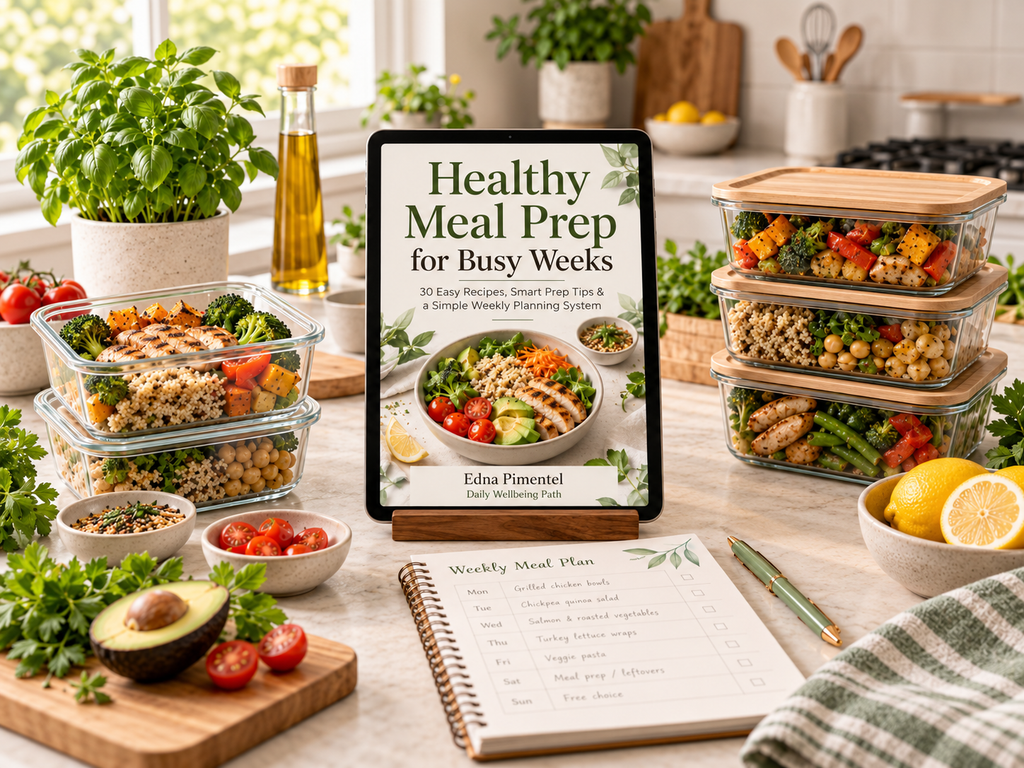
If you’re ready to move beyond planning and explore practical recipes and preparation strategies, Healthy Meal Prep for Busy Weeks was created to help you take that next step.
Discover Healthy Meal Prep for Busy Weeks
30 Easy Recipes, Smart Prep Tips & a Simple Weekly Planning System
This practical e-book brings together resources designed to make weekly meal preparation more manageable.
Inside, you’ll find:
- 30 easy recipes: A collection of meal ideas designed for busy weeks, including different ingredients and meal options.
- Practical preparation tips: Guidance to help you organize ingredients, prepare meals, and simplify everyday cooking.
- A weekly planning system: A more structured approach to coordinating your meals and preparation activities.
- Food storage and reheating guidance: Useful information to support safer handling of prepared meals.
- Planning resources: Tools to help you organize your weekly cooking routine.
While this article focuses on making better weekly food decisions, the e-book takes things further by connecting those decisions to recipes, preparation techniques, and practical planning resources.
Whether you’re preparing meals for yourself or your household, the goal is to make your routine more organized, flexible, and easier to maintain.
Ready to make weekly meal preparation easier?
Explore Healthy Meal Prep for Busy Weeks
Start building a meal preparation routine that fits your schedule, preferences, and everyday life.
Build a Balanced Lifestyle Beyond Your Weekly Menu
Developing consistent healthy meal planning habits is an important part of creating a more organized daily routine. However, balanced living involves more than the meals you prepare and the ingredients you choose.
Getting enough sleep, staying physically active, managing everyday stress, and creating supportive routines can also contribute to your overall well-being.
The encouraging part is that these habits don’t need to change all at once. Small, realistic adjustments can gradually become part of your everyday life.
Explore The Everyday Wellness Guide
If you’re interested in taking a broader approach to your well-being, The Everyday Wellness Guide offers practical inspiration for building healthier daily routines beyond the kitchen.
This complementary resource encourages a balanced approach to everyday wellness, helping you explore habits that fit your personal needs and lifestyle.
While meal planning focuses on organizing food choices, a broader wellness routine can help you give attention to other important aspects of daily life.
Whether you’re beginning to explore healthier habits or looking for ways to bring more consistency to your routine, the goal is to make gradual improvements without unnecessary pressure.
Continue your wellness journey:

Discover The Everyday Wellness Guide
Remember, lasting lifestyle improvements rarely depend on doing everything perfectly. They begin with thoughtful choices you can maintain over time.
Frequently Asked Questions About Healthy Meal Planning Habits
What are healthy meal planning habits?
Healthy meal planning habits are simple routines that help you organize meals, grocery shopping, and food preparation throughout the week. They include choosing meals in advance, checking available ingredients, planning for variety, and making adjustments based on your schedule.
How do I start meal planning as a beginner?
Start by planning three or four meals for the upcoming week. Choose familiar recipes, check what you already have in your kitchen, and create a grocery list for missing ingredients. As the process becomes easier, gradually expand your planning routine.
How can I plan balanced meals on a budget?
Focus on versatile ingredients such as beans, lentils, brown rice, oats, seasonal produce, and frozen vegetables. Plan meals around ingredients you already own, compare grocery prices, and choose recipes that use overlapping ingredients to help minimize waste.
Do I need to prepare all my meals in advance?
No. Meal planning and meal prepping are different activities. Meal planning involves deciding what to eat and what ingredients to purchase, while meal prepping focuses on preparing meals or ingredients ahead of time. You can benefit from planning without cooking everything in advance.
Is it healthy to eat the same meals several times a week?
Repeating favorite meals can be part of a balanced eating routine. However, including a variety of vegetables, fruits, whole grains, and protein sources throughout the week can help you obtain different nutrients. Proper food storage is also important when eating leftovers.
How often should I update my weekly meal plan?
Reviewing your meal plan once a week works well for many households. However, you can adjust it whenever your schedule, food preferences, or grocery needs change. A flexible approach is often easier to maintain than a rigid menu.
What tools are helpful for weekly meal planning?
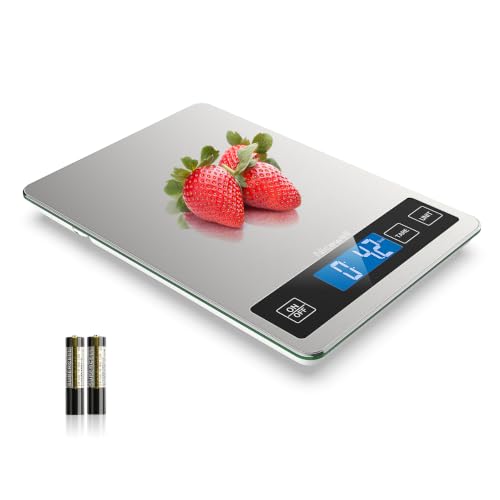
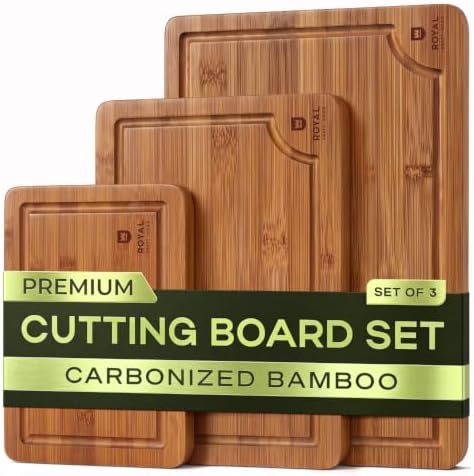
A notebook or digital planner may be enough to get started. Other optional tools include a magnetic weekly planner, food storage containers, freezer labels, a cutting board, and a digital kitchen scale. Choose tools that address your actual cooking and organization needs.
How can I make healthy meal planning easier when I’m busy?
Keep your planning routine simple, choose familiar recipes, maintain a few convenient pantry and freezer staples, and select meals that fit your available cooking time. Planning only a few priority meals each week can make the process more manageable without creating unnecessary pressure.
Final Thoughts: Build a More Balanced Week, One Habit at a Time
Creating a more balanced week doesn’t require a perfect meal plan, an expensive kitchen setup, or hours of preparation every day.
Often, the most meaningful improvements begin with small decisions that make everyday life a little easier.
By developing consistent healthy meal planning habits, you can simplify grocery shopping, make better use of ingredients, enjoy more variety in your meals, and reduce some of the stress associated with daily food decisions.
Remember that meal planning should support your lifestyle, not become another source of pressure.
Some weeks, you may have enough time to prepare several homemade meals. Other weeks, keeping a few convenient ingredients available and planning just a handful of dinners may be enough.
Both approaches can be part of a flexible, realistic routine.
The most important thing is finding what works for you and making thoughtful adjustments along the way.
Start with two or three habits this week. Build from there as your routine becomes more familiar.
A more organized kitchen, simpler grocery trips, and balanced everyday meals can begin with just a little planning — one week at a time.
“A balanced week doesn’t begin with a perfect meal plan, but with simple habits that make everyday choices easier.”
Sources and Further Reading
For additional guidance on healthy meal planning habits and safe food storage, explore these trusted resources:
- USDA MyPlate – Meal Planning: Practical guidance for organizing meals and making balanced food choices.
- USDA Food Safety and Inspection Service – Leftovers and Food Safety: Recommendations for safely storing, refrigerating, and reheating leftovers.
Disclaimer: This article provides general educational information and does not replace personalized advice from a qualified healthcare professional or registered dietitian.
Healthy Meal Planning Essentials: Helpful Tools for an Organized Kitchen
Building consistent healthy meal planning habits doesn’t require expensive equipment or a perfectly organized kitchen. However, a few practical tools can make weekly food preparation, grocery planning, and storage more convenient.
From glass food storage containers and freezer labels to kitchen scales and weekly planners, the right accessories can help simplify everyday tasks and keep your kitchen organized.
We’ve put together a selection of six useful kitchen essentials to support your meal planning routine.
Explore the recommendations below and choose the tools that best fit your cooking habits, available space, and budget.
Remember: The best kitchen tools are the ones you’ll actually use.
Affiliate Disclosure: As an Amazon Associate, we earn from qualifying purchases. This comes at no additional cost to you.