Feeling uncomfortable after meals, dealing with occasional bloating, or simply wanting to take better care of your digestive system can make everyday eating feel more complicated than it should.
The good news is that supporting digestive health does not always require dramatic dietary changes or complicated routines.
In fact, building daily habits for better digestion can be a practical starting point for improving how you eat, drink, move, and respond to your body’s needs.
From choosing fiber-rich foods to slowing down during meals, small decisions can contribute to more comfortable digestion over time.
In this guide, we will explore seven approachable habits, explain why they matter, and share simple ways to incorporate them into your everyday routine.
Why Daily Habits Matter for Digestive Health
Your digestive system has an important job. It breaks down food, absorbs nutrients, and helps your body eliminate waste.
Several factors can influence how comfortably this process works, including eating patterns, hydration, fiber intake, physical activity, medications, and individual health conditions.
Occasional gas and bloating are common. However, persistent digestive symptoms may require medical evaluation rather than dietary adjustments alone.
According to the National Institute of Diabetes and Digestive and Kidney Diseases (NIDDK), changing eating habits and food choices may help some people manage digestive discomfort.
Developing a realistic routine allows you to pay attention to what works for your body instead of following restrictive trends or expecting immediate results.
1. Start Your Day with Consistent Hydration

Water supports many essential processes in the body, including normal digestive function.
Adequate fluid intake can also help dietary fiber work more effectively and may help prevent constipation.
You do not need to follow an arbitrary water target that ignores your personal needs. Fluid requirements vary depending on activity level, climate, health conditions, and other individual factors.
Simple ways to make hydration easier
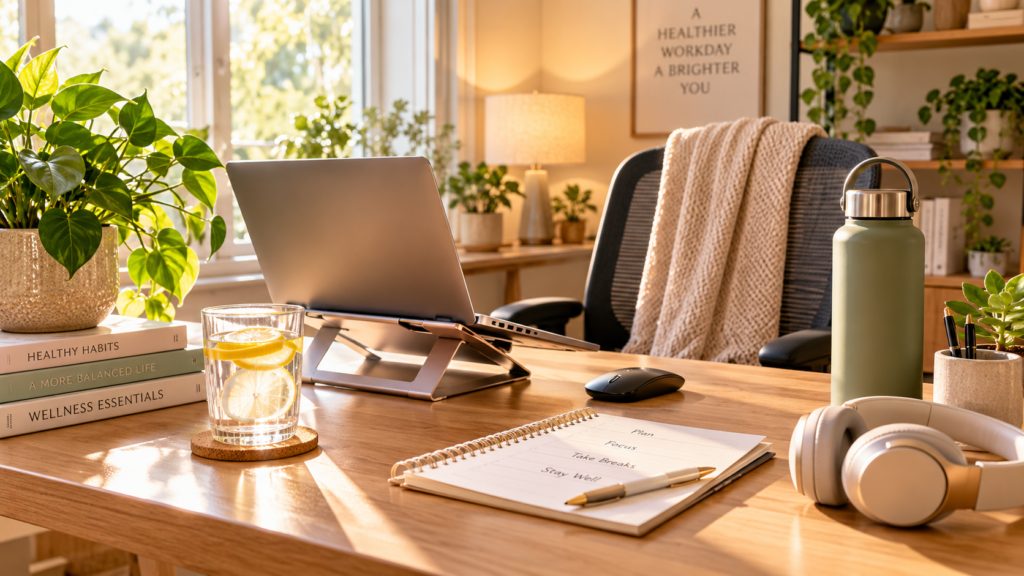
- Keep a reusable water bottle near your workspace.
- Drink water with regular meals.
- Include soups and water-rich foods in your meals.
- Pay attention to thirst and any hydration advice from your healthcare professional.
Practical tip: Fill your water bottle before beginning your morning activities. Having water within reach makes it easier to drink regularly.
2. Add Fiber-Rich Foods Gradually
Eating enough fiber is one of the most useful dietary habits for supporting regular bowel movements.
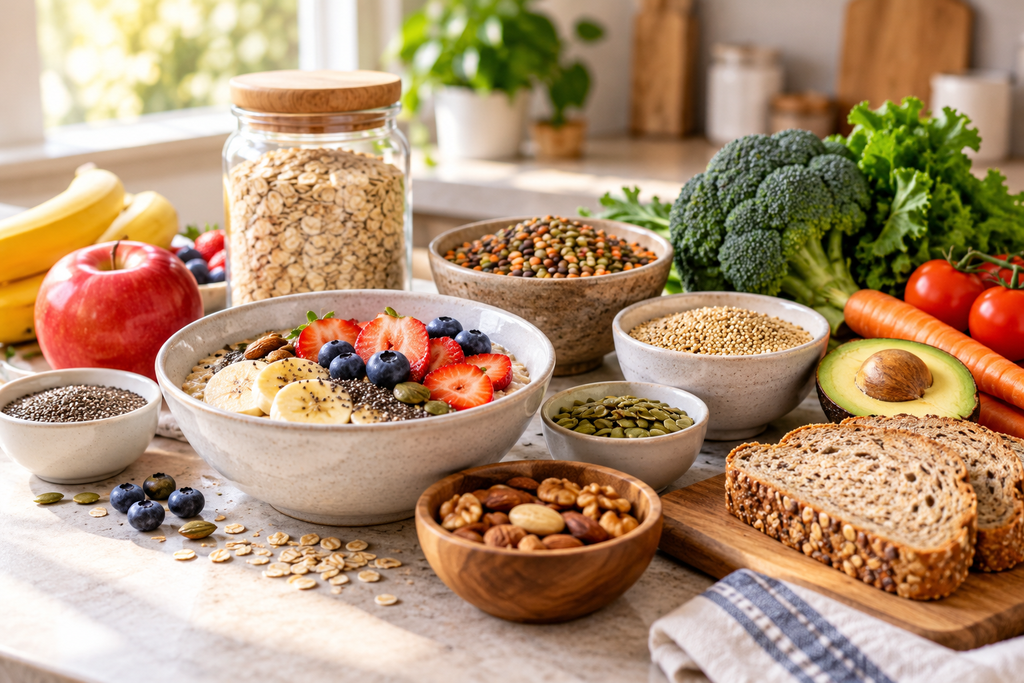
Fiber is found naturally in many plant foods, including fruits, vegetables, beans, lentils, nuts, seeds, and whole grains.
For adults, the NIDDK describes a general dietary fiber range of approximately 22 to 34 grams per day, depending on age and sex.
However, increasing fiber too quickly can cause gas or bloating in some people.
A gradual approach is usually more comfortable.
Easy fiber-rich foods to include
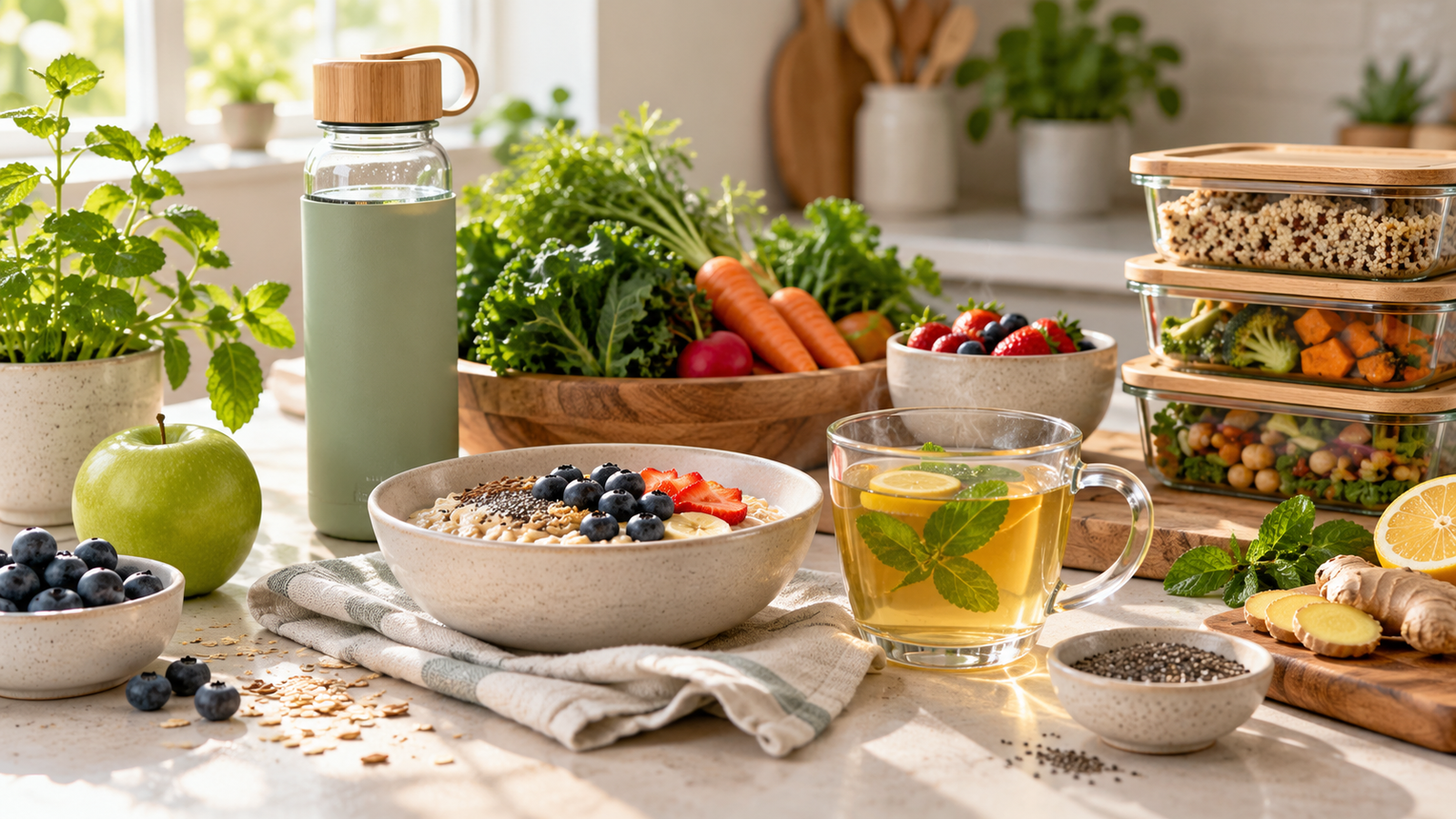
- Oatmeal with berries.
- Whole-grain toast.
- Lentils or chickpeas.
- Apples and pears.
- Vegetables added to lunch and dinner.
- Nuts and seeds in appropriate portions.
Try adding one fiber-rich food to a meal and gradually increasing variety as tolerated.
Remember to drink enough fluids, particularly when increasing dietary fiber.
3. Slow Down and Eat More Mindfully
Eating quickly can lead to swallowing more air, which may contribute to belching and gas symptoms.
Slowing down gives you an opportunity to chew thoroughly, enjoy your food, and pay attention to hunger and fullness.
Mindful eating does not require a special diet or a complicated technique.
Try these simple mealtime habits
- Sit down when possible instead of eating on the run.
- Take smaller bites and chew comfortably.
- Put away unnecessary distractions.
- Avoid rushing through meals.
- Notice which eating patterns seem to increase discomfort.
A more relaxed eating experience may help reduce swallowed air and encourage greater awareness of your body’s responses.
4. Create a More Consistent Eating Routine
Irregular meal patterns can make it harder to plan balanced meals and recognize which foods or behaviors are associated with discomfort.
There is no single meal schedule that works for everyone.
Some people prefer three regular meals, while others find smaller meals more comfortable, especially when large meals worsen digestive symptoms.
The goal is consistency without unnecessary restrictions.
Make healthy meals easier to manage
Set aside a little time each week to plan meals, prepare ingredients, and organize convenient food options.
For example, you might prepare cooked vegetables, whole grains, and a protein source that can be combined in different ways throughout the week.
Recommended resource: Healthy Meal Prep for Busy Weeks
If you would like a more organized approach to everyday meals, explore our Healthy Meal Prep for Busy Weeks guide.
It includes 30 approachable recipes, practical preparation tips, and a weekly planning system designed to make home cooking more manageable.
Meal planning does not guarantee relief from digestive symptoms, but it can make it easier to build consistent eating habits and select foods that suit your needs.
5. Include Gentle Movement in Your Daily Routine

Physical activity supports overall health and may also help some people maintain regular bowel habits.
You do not need intense workouts to start moving more consistently.
Walking, gentle stretching, or other comfortable activities can help you incorporate movement into your day.
Ways to move more often
- Take a comfortable walk after a meal.
- Stand up and move during long periods of sitting.
- Try gentle mobility exercises.
- Choose an enjoyable activity you can maintain.
Start at a level that matches your health and physical abilities.
If you have medical limitations, ask a healthcare professional what level of activity is appropriate.
6. Pay Attention to Foods That Trigger Discomfort
Not everyone responds to the same foods in the same way.
Some people experience increased gas after eating particular vegetables, legumes, dairy products, or foods containing certain sweeteners.
Carbonated beverages can also contribute to gas symptoms.
However, this does not mean these foods are unhealthy or that everyone should avoid them.
Keep a simple food and symptom journal
For a short period, consider recording:
- What you ate and drank.
- Approximate meal times.
- Any noticeable symptoms.
- How frequently symptoms occurred.
- Changes in your usual routine.
This information may help you recognize patterns and can be useful when speaking with a doctor or registered dietitian.
Avoid unnecessarily eliminating entire food groups. Persistent symptoms deserve individualized guidance.
What About Digestive Supplements?
You may encounter products marketed for digestive wellness, including probiotics, enzymes, and herbal supplements.
However, different products contain different ingredients, and evidence for their usefulness varies depending on the specific product and digestive condition.
Supplements are not automatically necessary for maintaining digestive health, and they should not replace medical evaluation or a balanced diet.
Before trying a new supplement, check its ingredients, potential interactions, and suitability with a qualified healthcare professional.
7. Build a Routine That Supports Regular Bowel Habits
Your digestive system often responds well to practical routines, especially when managing occasional constipation.
Allowing sufficient time to use the bathroom and responding to the natural urge to have a bowel movement are useful everyday behaviors.
Avoid routinely ignoring the urge because you are busy or away from home.
Make your routine more comfortable
- Allow unhurried bathroom time.
- Respond to the urge to have a bowel movement.
- Maintain adequate hydration.
- Include fiber-rich foods as tolerated.
- Stay physically active.
- Seek medical advice for persistent changes.
Remember that normal bowel movement frequency differs among individuals. Having a bowel movement every day is not a requirement for everyone.
How to Make Daily Habits for Better Digestion Easier to Maintain
Building a healthier digestive routine doesn’t mean changing everything at once. In fact, trying to introduce too many new habits can make your daily routine feel unnecessarily complicated.
A more practical approach is to focus on one or two small changes that fit naturally into your lifestyle. As these habits become more familiar, you can gradually introduce others.
Start Your Morning with Simple Choices
Begin your day with a glass of water and a balanced breakfast that includes fiber-rich foods, such as oatmeal, berries, or whole-grain toast.
Taking a few minutes to enjoy your breakfast without rushing can also help you develop a more mindful approach to eating.
Make Movement Part of Your Day
If you spend several hours sitting, look for opportunities to move comfortably throughout the day.
A short walk during your morning break, gentle stretching, or a few minutes of movement after lunch can help you build a more active routine.
Choose activities that match your abilities and personal preferences.
Keep Lunch and Afternoon Habits Simple
When lunchtime arrives, try to enjoy a balanced meal that includes vegetables, a source of protein, and fiber-rich foods you tolerate well.
Eat at a comfortable pace and pay attention to your body’s hunger and fullness signals.
During the afternoon, continue drinking fluids regularly and notice how different foods and eating patterns affect your digestive comfort.
Create a Comfortable Evening Routine
Dinner is another opportunity to practice mindful eating without unnecessary restrictions.
Choose a satisfying meal, avoid rushing, and allow yourself time to relax afterward.
Before the day ends, take a moment to reflect on which habits felt manageable and what you might adjust tomorrow.
Consistency matters more than following a perfect schedule.
Make Healthy Eating Part of Your Weekly Routine
Planning meals ahead of time can make daily food choices easier and reduce the stress of deciding what to prepare.
If you would like a more organized approach, explore our Healthy Meal Prep for Busy Weeks guide.
This practical resource includes 30 easy recipes, helpful meal preparation tips, and a weekly planning system designed to simplify home cooking.
For additional support with building balanced daily routines, discover The Everyday Wellness Guide, a practical workbook focused on developing sustainable wellness habits.
Both resources can help make everyday planning and organization more manageable, although they are not intended to diagnose or treat digestive conditions.
Remember that these suggestions are flexible. Adjust them to your schedule, personal preferences, and individual digestive needs.
When Should You Speak with a Healthcare Professional?
Occasional digestive discomfort can happen, but persistent or worsening symptoms should not be ignored.
Speak with a healthcare professional if digestive symptoms occur frequently, interfere with daily life, or are accompanied by changes in bowel habits.
Seek prompt medical assessment for concerning symptoms such as blood in the stool, unexplained weight loss, persistent vomiting, or significant abdominal pain.
Severe or sudden abdominal pain may require urgent care.
Lifestyle adjustments can be helpful, but they cannot identify or treat every underlying digestive condition.
Frequently Asked Questions About Better Digestion
What are the most useful daily habits for better digestion?
Useful habits include eating fiber-rich foods, drinking enough fluids, eating slowly, staying physically active, and establishing consistent bowel routines. The most appropriate changes depend on your symptoms and overall health.
Does drinking more water improve digestion?
Adequate hydration helps fiber work effectively and may help prevent constipation. However, drinking excessive amounts of water is not a proven solution for every digestive complaint.
Can walking after meals help with digestion?
Gentle walking is an accessible way to increase daily movement and may support bowel regularity. Its effects on individual digestive symptoms vary.
Are probiotics necessary for good gut health?
No. Probiotics are not essential for everyone. Their potential benefits depend on the specific strain, product, and health condition. Discuss supplements with a healthcare professional before using them.
How long does it take to improve digestive habits?
There is no universal timeline. Some people notice changes in comfort or regularity after adjusting routines, while others may need additional dietary changes or medical support.
Final Thoughts
Building daily habits for better digestion does not require complicated diets or dramatic lifestyle changes.
Simple choices, such as drinking enough water, gradually adding fiber-rich foods, eating mindfully, and staying physically active, can help support digestive comfort and overall wellbeing.
Remember that everyone’s digestive system is different. What works well for one person may not work the same way for another.
Start with one or two manageable changes, pay attention to how your body responds, and build a routine that fits naturally into your everyday life.
Small, consistent habits can make healthy living feel more achievable.
Medical Disclaimer
This article is for educational and informational purposes only and does not replace professional medical advice, diagnosis, or treatment. Consult a qualified healthcare professional about persistent digestive symptoms or specific health concerns.
Sources and Further Reading
- NIDDK — Eating, Diet, & Nutrition for Constipation
- NIDDK — Gas in the Digestive Tract
- NIDDK — Treatment for Gas in the Digestive Tract
“A healthier routine often begins with the little things we use every day.
Simple kitchen essentials can make mindful eating and meal preparation easier.”
Affiliate Disclosure
This article contains affiliate links. We may earn a commission from qualifying purchases at no additional cost to you. As an Amazon Associate, we earn from qualifying purchases.
Helpful Kitchen Essentials for Everyday Digestive Wellness
These carefully selected kitchen essentials can help you build daily habits for better digestion by making hydration, food storage, portioning, and meal preparation more convenient. From reusable water bottles to practical cooking and lunch containers, each product supports a simpler, more organized daily routine.