Our ears help us experience some of life’s most meaningful moments, from enjoying conversations with loved ones to listening to our favorite music and appreciating the sounds of nature. Yet hearing health is something many people rarely think about until they begin noticing changes.
Everyday activities, such as listening to music through headphones, attending social events, or spending time in noisy environments, can expose our ears to potentially harmful sound levels. Over time, repeated exposure to excessive noise may contribute to permanent hearing damage.
The good news is that protecting your hearing doesn’t have to be complicated. Small, consistent adjustments to your daily routine can help reduce unnecessary noise exposure and support healthier listening habits.
In this guide, you’ll discover 7 practical everyday hearing health tips to help you become more aware of your listening environment, make informed choices, and take simple preventive steps to protect your ears for years to come.
1. Keep Your Headphone Volume at a Comfortable Level

Headphones and earbuds have become part of everyday life. Whether you’re enjoying music, listening to podcasts, watching videos, or taking calls, these devices make it easy to stay connected throughout the day.
However, listening at high volumes for extended periods can put unnecessary stress on your hearing. The risk depends on both how loud the sound is and how long you’re exposed to it.
One of the most useful everyday hearing health tips is to become more mindful of your headphone volume rather than waiting until the sound feels uncomfortable.
Simple Ways to Practice Safer Listening
- Lower the volume: Choose a comfortable listening level instead of turning up the sound to compete with background noise.
- Use volume monitoring features: Many smartphones offer settings that track headphone audio levels or warn you when your listening volume may be too high.
- Take regular listening breaks: Give yourself periods of quiet, especially after extended headphone use.
- Consider noise-canceling headphones: In everyday environments, they may help you hear your audio clearly without increasing the volume excessively. However, they are not necessarily a substitute for certified hearing protection in hazardous noise.
- Pay attention to warning signs: Ringing, muffled hearing, or discomfort after listening may indicate excessive sound exposure.
The World Health Organization emphasizes that safer listening involves managing both volume and listening duration. Even sounds that seem enjoyable can become harmful when they are too loud or experienced for too long.
Making small adjustments to how you use headphones can help you enjoy your favorite audio while reducing avoidable risks to your hearing.
2. Wear Hearing Protection in Loud Environments

Some of life’s most enjoyable experiences come with loud sounds. Live concerts, sporting events, festivals, and celebrations can create wonderful memories, but they may also expose your ears to noise levels that can damage your hearing.
Loud environments aren’t limited to entertainment. Construction sites, workshops, factories, and even certain household activities can produce potentially harmful sound levels.
Unlike temporary discomfort, noise-induced hearing loss can be permanent. That’s why wearing appropriate hearing protection is one of the most important everyday hearing health tips for reducing preventable risks.
Choosing the Right Hearing Protection
Different situations may require different types of protection:
- High-fidelity earplugs: Designed to reduce sound levels while preserving more of the listening experience, making them useful for concerts and live music events.
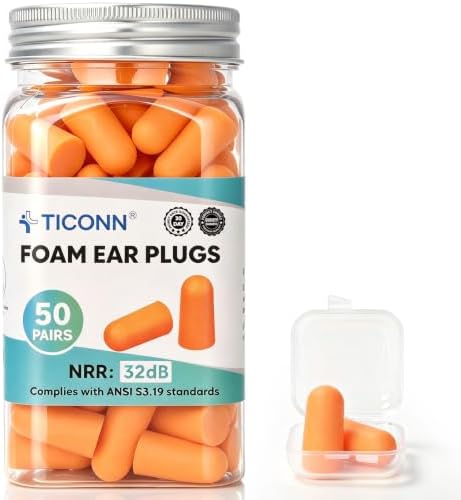
- Foam earplugs: A practical option for many noisy environments when inserted correctly and selected for appropriate noise reduction.
- Protective earmuffs: Often useful for activities involving power tools, lawn equipment, or other loud machinery.
- Reusable earplugs: Convenient for repeated use, provided they fit properly and are cleaned according to the manufacturer’s instructions.
Make Protection a Habit Before the Noise Begins
The best time to protect your ears is before entering a noisy environment.
If you’re planning to attend a concert or use loud equipment, prepare your hearing protection in advance. Choose products with appropriate noise-reduction ratings, follow the fitting instructions, and keep them accessible.
Remember that hearing protection reduces noise exposure but does not eliminate every risk. Extremely loud environments may still require limiting exposure time or moving farther from the sound source.
Protecting your hearing doesn’t mean giving up the experiences you love. It means enjoying them with greater awareness and taking sensible precautions when sound levels become excessive.
3. Give Your Ears Regular Breaks from Noise

Modern life is filled with sound. Traffic, conversations, household appliances, television, and busy public spaces can create a constant background of noise that we barely notice.
Although many everyday sounds are harmless, spending long periods in loud environments can increase the risk of hearing damage. One helpful approach is to make room for quieter moments throughout your day.
Taking breaks from excessive noise is one of the simplest everyday hearing health tips you can incorporate into your routine.
Create Moments of Quiet Throughout Your Day
You don’t need complete silence to give your ears a break. The goal is to reduce your exposure to loud sounds whenever possible.
Consider these practical habits:
- Step away from noisy environments: If you’ve been somewhere particularly loud, spend some time in a quieter location afterward.
- Schedule quiet activities: Reading, gardening, or enjoying a peaceful walk can provide opportunities to spend time away from excessive noise.
- Create a calmer home environment: Turn off unnecessary background audio and avoid running several noisy devices at the same time.
- Use quieter spaces during breaks: If your workplace is loud, choose a quieter area for lunch or rest periods when available.
- Be mindful after loud events: Following a concert or another high-noise activity, avoid additional loud sound exposure when possible.
Why Quiet Breaks Matter
The risk of noise-induced hearing damage depends on both sound intensity and exposure duration. Reducing the amount of time spent around loud noise can help lower your overall exposure.
However, quiet breaks should not be considered a way to reverse hearing damage or make prolonged exposure to dangerously loud sounds safe.
The most effective approach is to combine reasonable exposure limits with appropriate hearing protection whenever necessary.
Making space for quieter moments can be a simple, sustainable way to support your hearing health while bringing a greater sense of calm to your daily routine.
4. Recognize Everyday Sources of Harmful Noise

When we think about harmful noise, we often imagine concerts, construction sites, or crowded sporting events. However, some everyday activities can also expose us to sound levels that deserve attention.
Lawn mowers, power tools, leaf blowers, motorcycles, and certain household appliances may generate significant noise, especially when used for extended periods.
Learning to recognize these situations is an important part of practicing everyday hearing health tips and making informed decisions about your hearing protection.
Common Noise Sources Worth Paying Attention To
Consider some familiar situations where sound levels may become excessive:
- Lawn and garden equipment: Lawn mowers, leaf blowers, and other powered outdoor tools can produce loud sounds, particularly during prolonged use.
- Home improvement projects: Electric drills, saws, and sanding equipment may expose your ears to high noise levels, even during occasional projects.
- Busy traffic and motorcycles: Heavy traffic, motorcycles, and vehicle horns can create intense noise, especially at close distances.
- Household appliances: Vacuum cleaners, blenders, and hair dryers vary considerably in loudness. Some models may be uncomfortable or potentially hazardous with sufficiently intense or prolonged exposure.
- Recreational activities: Fireworks, motorsports, and some fitness classes can involve sound levels high enough to require additional precautions.
Learn to Recognize Warning Signs
You don’t need specialized equipment to notice that an environment may be excessively loud.
For example, if you need to raise your voice significantly to communicate with someone standing nearby, the surrounding noise may warrant caution.
Ringing in your ears or muffled hearing after a noisy activity can also be warning signs of excessive sound exposure.
However, the absence of discomfort doesn’t guarantee that a sound level is safe. Hearing damage can develop gradually without obvious symptoms.
Whenever possible, choose quieter equipment, increase your distance from loud sound sources, and use appropriate hearing protection for noisy activities.
By recognizing potentially harmful sounds in familiar environments, you can make small preventive decisions that support healthier hearing habits over time.
5. Pay Attention to Sound Levels Around You
Not every loud sound feels uncomfortable, and not every noisy environment seems dangerous. That’s why understanding sound levels can help you make better decisions about your hearing health.
Sound intensity is commonly measured in decibels (dB). As decibel levels increase, the amount of time you can safely spend around certain sounds generally decreases.
Learning to recognize potentially harmful sound levels is one of the most practical everyday hearing health tips, especially if you regularly spend time in busy or noisy environments.
Understanding Everyday Sound Levels
Here are a few approximate examples of sounds you may encounter:
- 30 dB – Quiet surroundings: A whisper or a peaceful, quiet room.
- 60 dB – Normal conversation: Typical speaking levels at a comfortable distance.
- 70 dB – Household activity: Some appliances and everyday background sounds may reach this level.
- 85 dBA – Potentially hazardous exposure: Repeated or prolonged exposure around this level can increase the risk of hearing damage.
- 100 dBA or higher – Very loud environments: Some concerts, power tools, and recreational activities may reach levels that can become hazardous in a much shorter time.
These figures are general examples, not exact measurements. Actual sound levels vary depending on the equipment, environment, and distance from the source.
Use Simple Tools to Monitor Noise
You don’t have to rely entirely on guesswork when evaluating your surroundings.
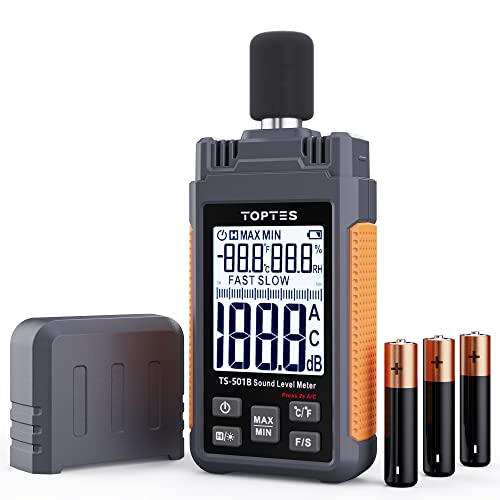
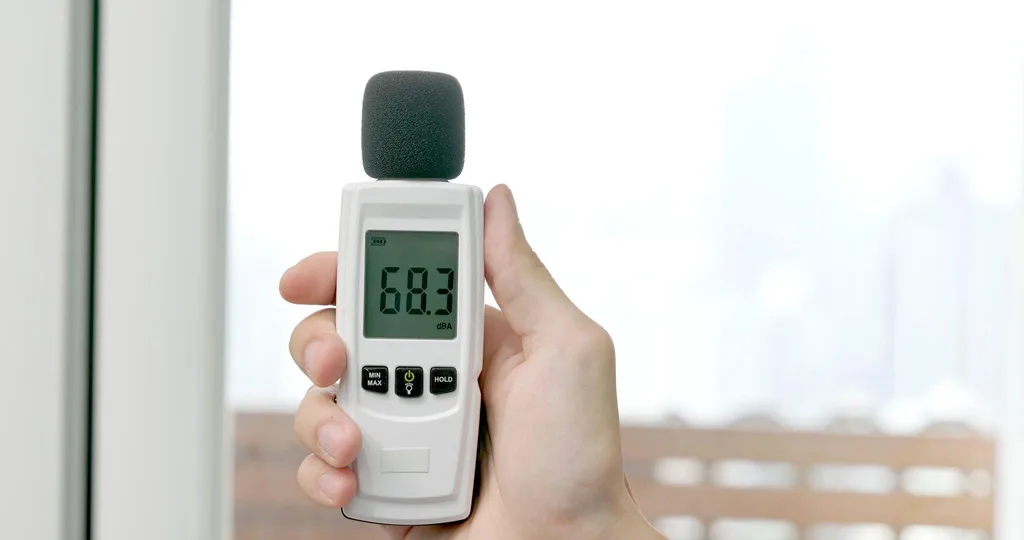
Sound level meters can help you understand how loud an environment may be. Some smartphones also offer sound-monitoring features or apps that provide approximate decibel readings.
For more reliable measurements, calibrated equipment is preferable. Smartphone readings can vary depending on the device and application, so they should not replace professional noise assessments.
Know When to Take Action
The National Institute for Occupational Safety and Health (NIOSH) recommends limiting occupational noise exposure to 85 dBA averaged over an eight-hour workday, with the recommended exposure duration decreasing as sound levels rise.
This is an occupational guideline, not a guarantee that every exposure below that level is risk-free.
If your surroundings are consistently loud, consider reducing your exposure time, increasing your distance from the sound source, or using suitable hearing protection.
Understanding sound levels isn’t about measuring every noise you encounter. It’s about developing enough awareness to recognize situations where your hearing may need extra protection.
6. Make Hearing Protection Part of Your Routine
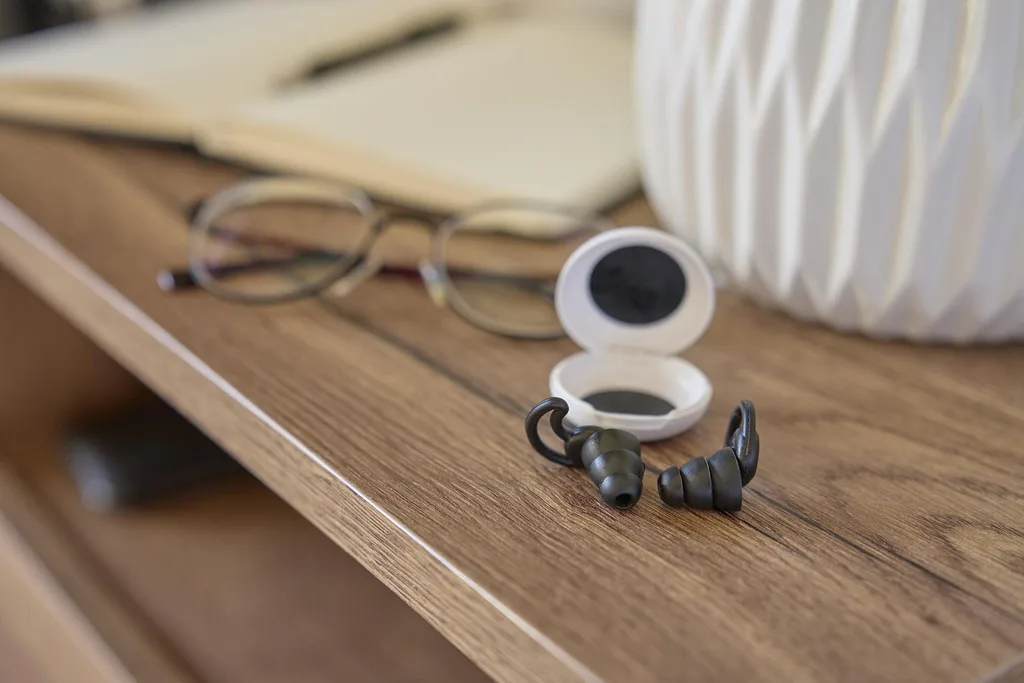
Protecting your hearing becomes easier when it is part of your everyday routine rather than something you only think about after entering a noisy environment.
Just as you might keep sunglasses in your bag or remember to apply sunscreen before spending time outdoors, hearing protection can become a simple habit that requires very little extra effort.
Among the most useful everyday hearing health tips is learning to prepare for noisy situations before they happen.
Build Simple Habits That Are Easy to Maintain
A few practical adjustments can make hearing protection more convenient:
- Keep earplugs within reach: Store a suitable pair in your bag, backpack, or another convenient location so they’re available when needed.
- Use a protective storage case: A clean, dedicated case helps keep reusable earplugs organized and protected between uses.
- Create a reminder before noisy activities: If you’re planning to attend a concert, work with loud equipment, or participate in a noisy recreational activity, include hearing protection in your preparations.
- Follow cleaning instructions: Reusable earplugs should be cleaned and maintained according to the manufacturer’s recommendations. Replace them when they become worn, damaged, or difficult to clean.
- Check the fit regularly: Hearing protection works best when it fits properly. If earplugs feel loose or uncomfortable, consider another suitable size or design.
Make Hearing Protection a Family Habit
Healthy hearing habits can also become part of everyday family life.
If you attend loud events with children or other family members, plan ahead and help everyone choose appropriate hearing protection for their age, fit, and environment.
For children, properly fitted protective earmuffs may be more practical than certain types of earplugs, depending on their age and the activity.
It’s also helpful to explain why hearing protection matters, encouraging family members to recognize potentially loud situations without creating unnecessary fear.
Over time, these small preparations can make protecting your ears feel as natural as remembering other everyday safety essentials.
Consistency matters more than perfection. The goal is to make hearing protection easy, accessible, and appropriate whenever exposure to potentially harmful noise is expected.
7. Recognize Hearing Changes and Seek Professional Advice
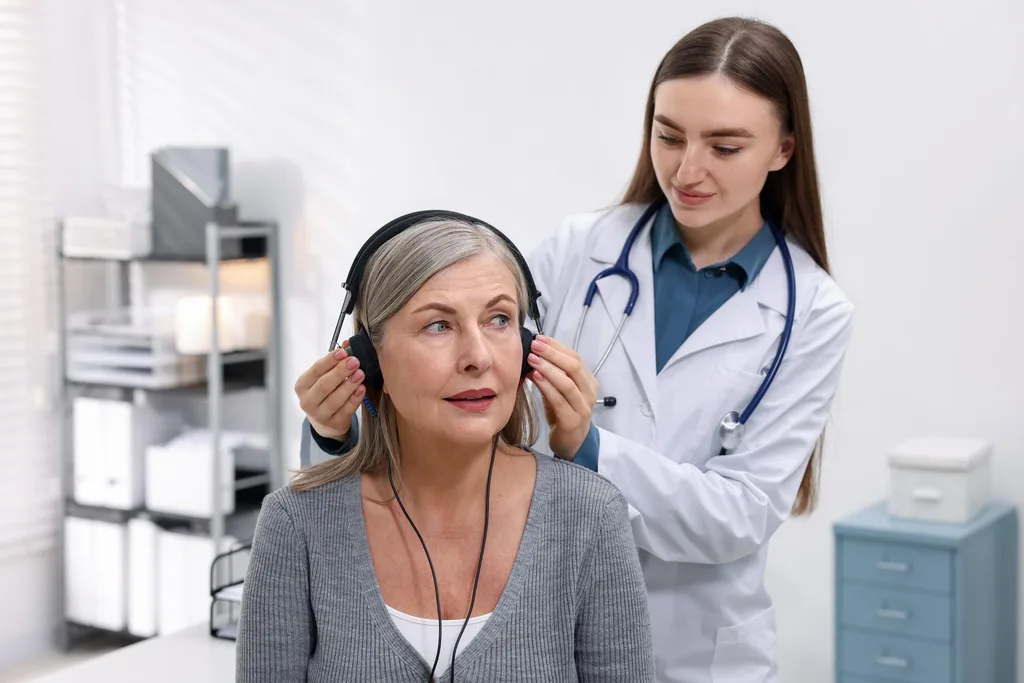
Hearing changes aren’t always immediately noticeable. Sometimes, they develop gradually, making it easy to overlook small differences in how we experience conversations, music, and everyday sounds.
You might begin turning up the television volume more often, asking people to repeat themselves, or finding it harder to follow conversations in busy restaurants.
Recognizing these changes is an important part of practicing everyday hearing health tips, especially as we get older or after repeated exposure to loud environments.
Common Signs That Deserve Attention
Pay attention if you notice any of the following:
- Difficulty following conversations: Especially when several people are speaking or background noise is present.
- Frequently asking others to repeat themselves: You may notice this happening more often than before.
- Increasing the volume: Television, phone calls, or other audio may need to be louder than usual for you to hear clearly.
- Ringing or buzzing in the ears: These sensations, sometimes described as tinnitus, deserve medical attention if they persist, recur, or become bothersome.
- Muffled hearing after noise exposure: A temporary change after a loud event can be a warning sign, even if your hearing seems to return to normal.
When Should You Get Your Hearing Checked?
If you notice persistent hearing difficulties, schedule an evaluation with a qualified healthcare professional or audiologist.
A hearing assessment can help identify changes, clarify possible causes, and determine whether further medical evaluation or support is appropriate.
Sudden hearing loss is different and requires urgent medical attention. If hearing suddenly decreases in one or both ears, seek immediate medical assessment rather than waiting for a routine appointment.
Hearing changes accompanied by symptoms such as severe dizziness, significant ear pain, or neurological symptoms may also require urgent evaluation.
Be Proactive About Your Hearing Health
You don’t have to wait until hearing difficulties interfere with your daily life to discuss concerns with a healthcare professional.
If you’re frequently exposed to loud environments, have a family history of hearing problems, or notice changes over time, ask whether a hearing assessment would be appropriate for you.
Remember that preventive habits can help reduce certain hearing risks, but they cannot guarantee that hearing loss will never occur.
Taking hearing changes seriously is an important step toward staying informed, getting appropriate care, and maintaining your quality of life.
Build Healthier Everyday Habits with The Everyday Wellness Guide
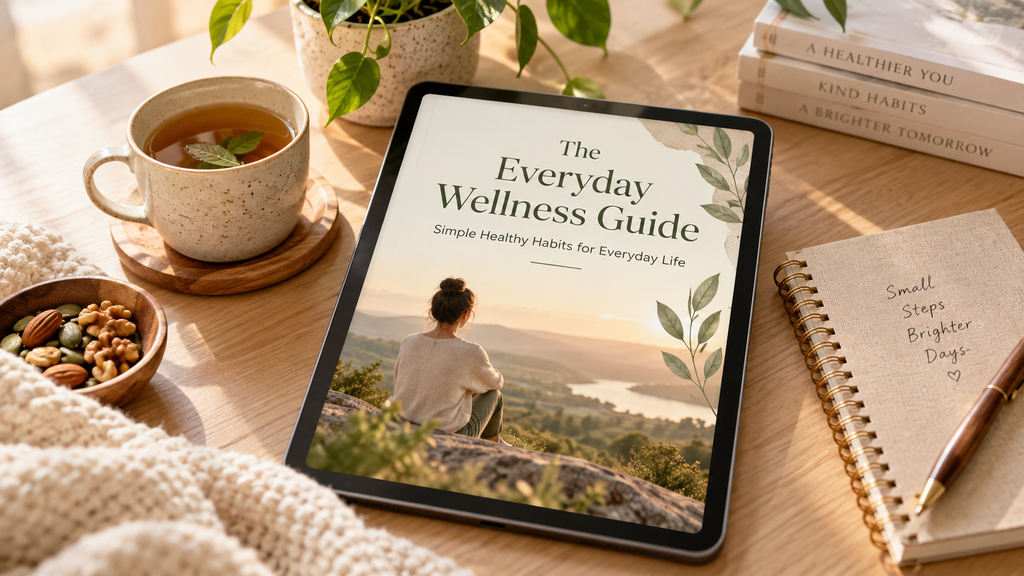
Taking care of your hearing is one part of building a healthier, more balanced lifestyle. Small daily choices can make a meaningful difference in how you approach your overall well-being.
If you’ve enjoyed these everyday hearing health tips and would like to explore more practical ways to support your wellness routine, discover The Everyday Wellness Guide, created by Daily Wellbeing Path.
This digital guide brings together approachable ideas for developing healthier everyday habits, making thoughtful lifestyle choices, and creating routines that fit your needs.
It’s a complementary wellness resource, not a hearing treatment or a substitute for professional healthcare.
Explore The Everyday Wellness Guide and discover more ways to bring healthy habits into your daily life.
👉 Discover The Everyday Wellness Guide
Conclusion: Small Habits Can Help Protect Your Hearing
Protecting your hearing is an important part of maintaining your overall health and quality of life. From everyday conversations to the sounds of nature, hearing plays a meaningful role in how we connect with the world around us.
The good news is that hearing protection doesn’t require complicated changes. By becoming more aware of noise exposure, making thoughtful listening choices, and recognizing when professional guidance is needed, you can take practical steps toward reducing preventable hearing risks.
These everyday hearing health tips are designed to help you build realistic habits that fit naturally into your lifestyle.
Remember that prevention matters because noise-induced hearing damage can be permanent. Although healthy habits cannot reverse existing hearing loss, they can help you make safer decisions about future exposure.
Every small step toward protecting your ears is an investment in enjoying the sounds and experiences that make everyday life meaningful.
Scientific References
The information in this article is supported by public health guidance on safe listening and the prevention of noise-induced hearing loss.
- World Health Organization (WHO) — Deafness and Hearing Loss: Safe Listening
- Centers for Disease Control and Prevention (CDC) — Preventing Noise-Induced Hearing Loss
- National Institutes of Health (NIH) — Noise-Induced Hearing Loss
“Protecting your hearing today helps preserve the everyday sounds that make life meaningful.”
Hearing Protection Essentials for Everyday Life
Putting these everyday hearing health tips into practice can be easier when you have the right accessories available.
Explore our selection of hearing protection essentials, including reusable earplugs, protective earmuffs, headphones, and sound level meters. These practical products can help you make more informed choices about noise exposure and support safer listening habits.
Browse the options below and choose what best fits your daily activities and hearing protection needs.