
How to Start Journaling can feel like a surprisingly difficult question when you open a notebook and have no idea what to write. Should you describe your day, explore your feelings, or record something meaningful? Before you write a single sentence, the blank page can begin to feel like an assignment.
You don’t need an interesting story, beautiful handwriting, or a clear understanding of your emotions to begin. Your first entry can be as ordinary as “I’m tired today,” “Something made me smile,” or even “I don’t know what to write yet.” Each gives you somewhere to start.
This guide will help you find your first words with simple prompts, short examples, and a five-minute approach. Whether you prefer a notebook or a brief daily entry, you can begin small and discover what kind of writing feels useful to you.
How to Start Journaling Without Pressure
You don’t have to fill a page or write something profound. When you’re learning how to start journaling, the first step is simply to give yourself permission to write a few honest words.
Choose a notebook you already own or open a note on your phone. Then finish this sentence:
“Right now, I’m noticing…”
You might notice that you’re tired, that the room is quiet, or that a conversation is still on your mind. Write whatever comes naturally, without trying to make it sound more interesting.
For example:
“Right now, I’m noticing that I keep thinking about tomorrow’s meeting. I haven’t decided what I want to say. I could write down one question to bring with me.”
That is already a journal entry. It describes what’s happening and gives you a small detail to explore.
If another sentence follows, keep going. If it doesn’t, you can stop. There’s no minimum length, and you don’t need to turn every entry into a lesson. For your first attempt, one or two sentences are enough.
Simple Journaling Prompts for Beginners

You don’t have to come up with a new topic every time you open your journal. A simple question can give your thoughts somewhere to go.
For journaling for beginners, start with questions about everyday experiences rather than asking yourself to explain your whole life. Choose just one:
- What has been on my mind today?
- What is one moment I want to remember?
- What felt difficult, and what might make it easier?
- What did I enjoy today, even briefly?
- What do I need more of tomorrow?
- What is one small thing I can do next?
Your answer can be short and specific. Instead of trying to describe your entire day, focus on one moment:
“I enjoyed taking a walk without checking my phone. I noticed how quiet the street was. Tomorrow, I’d like to do that again.”
If a question doesn’t connect with you, skip it. You can return to the same prompt on different days, because your answer may change.
If you prefer choosing a physical card, these affirmation cards with thought-provoking questions are an optional starting point. Pick a question that feels relevant and respond in your own words—you don’t need to agree with an affirmation or force a positive answer.
The question is there to help you begin. Once your own thoughts take over, you can follow them.

How to Start Journaling in Just Five Minutes
A short session gives you a manageable place to begin. Set aside five minutes, choose one question, and let your answer be as simple as it needs to be.
Try this structure:
- First minute: notice what’s here. Write a few words about your day, your surroundings, or what’s on your mind.
- Next three minutes: explore one detail. Pick something you mentioned and add a little more. What happened? What mattered to you? What remains unfinished?
- Final minute: close the entry. Finish with something you want to remember or one small next step.
For example, you might begin with “Today felt rushed,” describe the moment when you skipped your lunch break, and close with “Tomorrow, I’ll put lunch on my calendar.”
You can use your phone’s timer. If you prefer keeping your phone out of reach, a visual countdown timer with a pause function is an optional way to keep track of your writing time.
Five minutes is a starting point, not a rule. You can stop sooner if you’ve said what you wanted to say, or continue if the words are flowing. For journaling for beginners, the aim is to make the next session feel easy enough to return to.
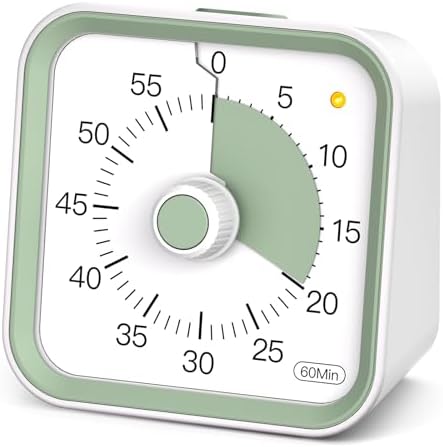
- Visual Timer with Pause Button: This intuitive visual timer helps children and students manage time effectively with a c…
- Multi-Purpose Time Management Tool: Use it as a Pomodoro timer for productivity, an egg timer for cooking, or a daily ta…
- Kid-Friendly and Easy to Use: Designed as a timer for kids, this visual timer features simple controls and a fun, engagi…
Start with One Sentence a Day
Some days, even five minutes may feel like more than you want to do. On those days, try recording just one sentence.
Choose a small detail that makes this day different from another:
- “I finally called a friend I’d been meaning to catch up with.”
- “The kitchen smelled like cinnamon after breakfast.”
- “I felt nervous before the meeting, but I asked my question anyway.”
- “Nothing unusual happened today, and I enjoyed the quiet.”

You don’t need to capture everything. A brief entry can preserve a moment, name a feeling, or remind you of something you might otherwise forget.
If you like having a dedicated space for short daily entries, the One Line A Day: A Five-Year Memory Book is an optional format to consider. You can also use an ordinary notebook and write the date followed by your sentence.
For journaling for beginners, this approach offers a simple fallback: when a longer entry feels difficult, write one thing you noticed.
If you miss a day, continue with today’s entry. There’s no need to reconstruct every missing moment before you begin again.
Make Journaling Part of Your Everyday Routine
Once you’ve found a comfortable way to write, choose a moment when you can realistically return to it. You don’t need a perfect morning routine or a quiet hour every evening.
Try connecting your journal to something you already do:
- After breakfast: write one sentence before clearing the table.
- After work: record something you want to leave behind for the day.
- Before reading at night: note one moment you want to remember.
Choose one of these moments and try it for a few days. If it keeps clashing with your schedule, move it. A routine should fit your life rather than become another task you struggle to complete.
Keep your notebook and pen somewhere convenient, while protecting your privacy if you share your home. If you write digitally, choose a note or document you can easily find again.
You can also decide on a simple fallback: “When I don’t have time for a longer entry, I’ll write one sentence after breakfast.” That gives you a clear starting point on busy days.
For more ways to make room for small, intentional pauses, explore our Mindful Living articles.
Learning how to start journaling includes discovering when writing works for you. You can write daily, a few times a week, or whenever you have something you want to record.
What to Write When Every Day Feels the Same
You may open your journal and think, “Nothing happened today.” That doesn’t mean you have nothing to write about. Ordinary days contain small details you can record without turning them into a big story.
Instead of summarizing the whole day, choose one specific moment:
- Something you noticed: a sound outside, a change in the weather, or a familiar place you saw differently.
- Something you did: cooked a meal, finished a task, or took a break.
- Something on your mind: a decision, an upcoming conversation, or a question you haven’t answered.
- Something you preferred: what felt enjoyable, inconvenient, or worth doing again.
For example:
“I made the same breakfast as usual, but today I ate at the table instead of standing in the kitchen. I liked having a few minutes before checking my messages.”
You can also describe a familiar experience from a different angle. If you’ve already written about your evening walk, notice what caught your attention this time or why you chose that route.
When you’re learning how to start journaling, repeating a topic is perfectly acceptable. You may return to the same concern or pleasure because it still matters to you.
If you want a simple structure for an ordinary day, finish these three sentences:
Today I noticed…
I kept thinking about…
Tomorrow I’d like to…
Write as much or as little as each sentence brings to mind. An everyday detail is enough.
Let Your Journal Be Imperfect
Sometimes you know what you want to say, but you hesitate because the words sound awkward. You might cross out a sentence, worry about spelling, or feel that your entry should be more thoughtful.
Your journal is a place where unfinished thoughts can stay unfinished. You can change your mind halfway through a paragraph or write, “I’m not sure how to explain this yet.”
If you find yourself editing every sentence, try one of these approaches:
- Use bullet points. Record a few thoughts without connecting them into a story.
- Leave a gap. If you can’t find the right word, continue with the next thought.
- Write conversationally. Use the words you would naturally say.
- Wait before rereading. Finish the entry before deciding whether you want to look back at it.
For example:
“I felt a little off today. Not exactly sad—maybe distracted. I don’t know why yet, but I noticed it most during lunch.”
You don’t have to explain the feeling or find a solution before closing your notebook. You can simply record what you noticed.
For journaling for beginners, allowing an imperfect entry gives you room to try different ways of writing. Over time, you can discover whether you prefer lists, short observations, questions, or longer paragraphs.
You also get to choose what remains private. There’s no obligation to share your entries or turn them into something others would enjoy reading.
A Simple First Journal Entry You Can Try Today

If you’re still wondering how to start journaling, use this short template for your next entry. Write the date, then complete whichever sentences feel relevant:
Right now, I feel…
One thing on my mind is…
A moment I want to remember is…
One small thing I’d like to do next is…
You can answer all four or choose just one. Here’s what a finished entry might look like:
“Right now, I feel tired but pleased that I finished a task I’d been avoiding. One thing on my mind is making time to call my sister. A moment I want to remember is laughing with a coworker during lunch. One small thing I’d like to do next is put my phone away while I eat dinner.”
Your entry may sound completely different. You might have no next step in mind, or prefer to write only about something you saw. Adapt the template to what you actually want to record.
Before closing your notebook, notice which sentence was easiest to answer. You can use that same opening next time instead of searching for a new prompt.
You now have a starting point for today and a way to begin again.
How to Start Journaling: Frequently Asked Questions
What should I write in my first journal entry?
Start with what’s on your mind right now. You can describe one moment from your day, name a feeling, or finish the sentence “Today I noticed…” A few honest words are enough for a first entry.
Do I need to write in my journal every day?
No. You can write daily, a few times a week, or whenever you want to record something. Choose a frequency that fits your schedule, and adjust it if writing starts to feel like another obligation.
How long should a journal entry be?
There is no required length. One sentence, a short list, or a few paragraphs can all work. Begin with an amount that feels manageable rather than aiming to fill a page.
Is a notebook or a digital journal better for beginners?
Either can work. A notebook may suit you if you enjoy writing by hand or want time away from a screen. A digital journal may be more convenient if you prefer typing. Consider ease of use and privacy when choosing.
What if I keep writing about the same things?
You can revisit a topic as often as you need. If you want a different angle, ask what has changed, what remains unresolved, or which detail stands out today. You don’t need a new subject for every entry.
Do I need a guided journal or special supplies?
No. An ordinary notebook and pen—or a note on your phone—are enough. Guided journals and reflection cards are optional tools if you prefer having questions to answer.
How do I start journaling again after missing several days?
Begin with today. You don’t need to fill in the missing dates. Try writing “Since my last entry…” or simply record one thing you’re noticing now.
How to Start Journaling, One Entry at a Time
Learning How to Start Journaling begins with giving yourself a small, realistic place to start. One question, one sentence, or five minutes can be enough to put your first thoughts on the page.
You can write about ordinary moments, revisit familiar topics, and leave questions unanswered. As you try different approaches, keep the ones that feel useful and adjust anything that makes writing harder to return to.
Today, choose one prompt from this guide and write a short response. When you open your journal again, you’ll already have a beginning to build on.
Your first journal entry can be a single honest sentence.
Let it capture where you are today, and leave room for tomorrow.
If you’d like a few tools to support your journaling routine, explore the options below. Choose what fits your preferences – a notebook and a comfortable pen are enough to begin.