After a busy day, reaching for your phone or turning on the television can feel like the easiest way to relax. Before you know it, a few minutes of scrolling have turned into an hour of notifications, videos, messages, and information you never intended to consume.
If this sounds familiar, creating a screen-free evening routine may offer a practical way to make your evenings feel quieter and more intentional.
You don’t need to disconnect from technology completely, follow a complicated schedule, or transform your home into a peaceful retreat. Sometimes, putting your phone aside, reading a few pages, writing in a notebook, or enjoying a quiet activity is enough to begin changing how you spend your evenings.
The goal isn’t to make every night perfect. It’s to create a comfortable transition between the demands of the day and the time you set aside for rest.
In this guide, you’ll discover realistic screen-free activities before bed, simple ways to reduce digital distractions, and ideas for building an evening wind-down routine that fits your lifestyle.
For more ideas about slowing down and making everyday life feel intentional, explore our Mindful Living collection.
Affiliate Disclosure: This article contains affiliate links. We may earn a commission from qualifying purchases at no additional cost to you. As an Amazon Associate, we earn from qualifying purchases.
1. Why a Screen-Free Evening Routine Can Be Worth Trying
Modern technology makes it easy to remain connected throughout the day, but that convenience can follow us into the evening.
Work emails, social media, streaming services, and news updates may continue competing for our attention long after our daily responsibilities are finished.
A screen-free evening routine creates an opportunity to intentionally step away from some of those distractions.
It can also help establish clearer boundaries between daytime responsibilities and nighttime rest.
How Evening Screen Use Can Affect Sleep
Light exposure plays a role in regulating the body’s sleep-wake cycle.
Bright light from electronic devices, particularly when used close to bedtime, can interfere with the signals that help the body prepare for sleep.
However, light isn’t the only consideration. Emotionally stimulating videos, stressful messages, and engaging online activities may also make it harder to mentally disengage.
According to the National Institutes of Health, limiting screen exposure before bedtime and creating a relaxing evening routine are among the habits that may support better sleep.
That doesn’t mean every minute of screen time is harmful or that avoiding devices guarantees a restful night.
Instead, reducing evening screen use is one practical habit worth exploring as part of a broader approach to sleep and everyday well-being.
Benefits Beyond Sleep
An evening without constant digital interruptions can also create room for activities that may otherwise get overlooked.
You might finally finish a chapter of a book, reconnect with a family member, practice a creative hobby, or simply enjoy a few quiet minutes.
For some people, this may feel restorative. For others, the greatest benefit may be having more control over how their personal time is spent.
The important thing is finding an approach that feels useful rather than restrictive.
2. Start by Creating a Gentle Digital Boundary
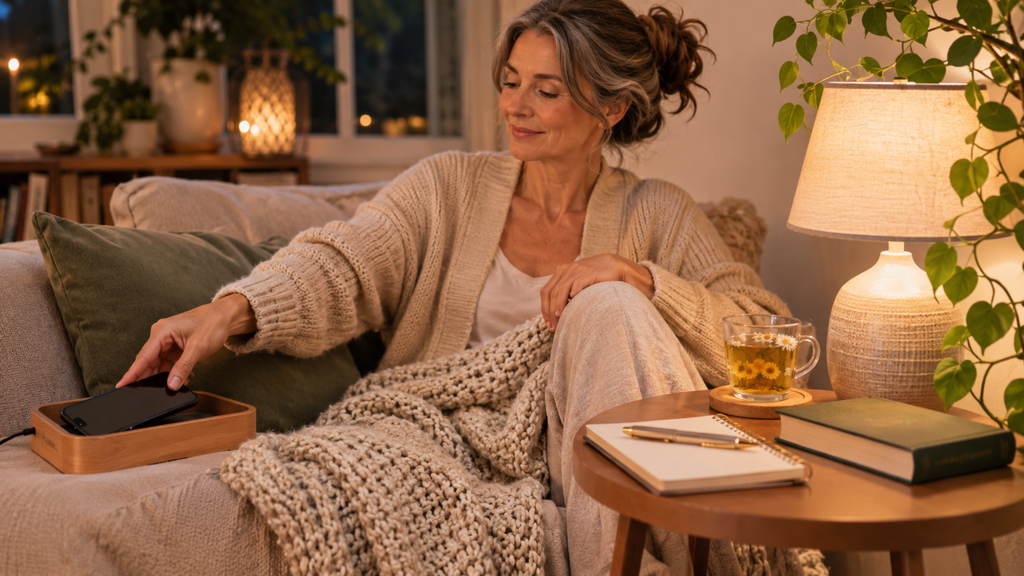
One of the easiest ways to begin a digital detox before bed is to establish a small boundary around evening device use.
You don’t have to turn off every device in your home or avoid technology for several hours.
Start with a period that feels manageable.
Choose Your Screen-Free Starting Point
Consider beginning with 15 to 30 minutes before bedtime.
During this period, you might avoid social media, work messages, and recreational scrolling.
If the routine feels comfortable, you can gradually experiment with a longer screen-free period.
Some people may prefer approximately an hour without screens before bed, consistent with common sleep-health guidance.
Others need more flexibility because of work, caregiving responsibilities, or communication needs.
Make It Easier to Put Your Phone Away
A few practical changes can help reduce the temptation to check your device:
- Charge your phone outside the bedroom when practical.
- Turn off unnecessary notifications.
- Use Do Not Disturb settings while allowing essential contacts.
- Keep a book or notebook in your usual relaxation space.
- Avoid leaving your phone directly beside your favorite evening chair.
- Choose a consistent cue, such as finishing dinner or changing into comfortable clothes.
You may also find it helpful to decide in advance what you’ll do instead of scrolling.
Simply removing an activity without replacing it can make the change feel less satisfying.
The purpose is to create a pleasant alternative, not an additional rule that adds pressure to your day.
3. Replace Scrolling with Screen-Free Activities You Enjoy
A successful screen-free evening routine should make room for activities you genuinely enjoy.
Not everyone finds the same things relaxing.
Some people prefer reading or writing, while others enjoy creative hobbies, gentle movement, or quiet conversation.
Here are several possibilities worth exploring.
Read a Book or Magazine
Reading a physical book can be a convenient way to spend time away from digital devices.
Choose material that fits the atmosphere you want to create.
For some readers, a light novel, travel book, or familiar favorite may feel more enjoyable in the evening than work-related material or emotionally intense stories.
You don’t need to finish a chapter or meet a reading goal.
Even a few pages can become a pleasant part of your nighttime routine.
Try Coloring or Another Creative Hobby
Coloring books for adults, sketching, watercolor painting, knitting, and simple crafts provide opportunities to engage in hands-on activities.
These hobbies can offer a different experience from watching or scrolling through digital content.
If you enjoy creative activities, keep the necessary materials within easy reach so that getting started requires little preparation.
Choose projects that are enjoyable and manageable rather than complicated or demanding.
Enjoy a Printed Puzzle
Word searches, crosswords, and other paper-based puzzles can provide entertainment without a phone or tablet.
Some people enjoy the concentration involved in completing a puzzle, while others prefer activities requiring less mental effort late in the evening.
There is no need to choose a difficult challenge.
The best activity is one that fits your energy level and personal preferences.
Make Time for Quiet Connection
Screen-free evenings don’t always need to be solitary.
Consider sharing a conversation with your partner, playing a simple card game, or spending a few minutes talking with family.
Even an ordinary conversation over a warm, caffeine-free drink can become a meaningful alternative to spending the evening on separate devices.
4. Try a Simple Paper Journaling Ritual

Journaling is one of the most flexible mindful evening habits because it requires very little equipment.
A notebook and a pen are enough to begin.
You can use the time to reflect on your day, identify something you appreciated, or write down a thought you would like to revisit.
The goal isn’t to document every detail or force yourself to feel positive.
Instead, writing can provide an opportunity to notice your experiences without immediately turning to another screen.
Three Easy Evening Journal Prompts
If you’re unsure what to write, begin with one of these questions:
What is one moment from today that I appreciated?
It could be a conversation, a favorite meal, a completed task, or a small pleasant experience.
What would I like to leave behind from today?
You might acknowledge something that was difficult without trying to solve everything before bed.
What is one simple thing I can do to make tomorrow easier?
Choose a realistic action rather than creating an overwhelming list of responsibilities.
You can answer one question, all three, or none at all.
For more guidance, visit our article How to Start Journaling When You Don’t Know What to Write.
A Guided Journal Worth Exploring
For readers who prefer structured prompts instead of a blank notebook, The Five Minute Journal by Intelligent Change is one option to consider.
It offers a guided format for short reflections, gratitude, and intentional thinking.
Although it includes daily reflection prompts, you can choose the parts that feel appropriate for your personal routine.
A guided journal is not required to practice journaling, and writing should not be treated as a medical intervention or guaranteed solution for stress or sleep difficulties.
If you prefer a structured paper format, you can explore The Five Minute Journal on Amazon (paid link).
5. Create a Comfortable Environment for Quiet Evenings
Your surroundings can influence how easy or difficult it feels to settle into a relaxing activity.
A screen-free evening routine doesn’t require a perfectly decorated bedroom or living room.
Small practical adjustments are often enough.
Adjust the Lighting
Bright overhead lighting may feel useful during daytime activities but less comfortable when you’re preparing for rest.
Consider using a lamp with adjustable brightness or softer lighting during the evening.
Make sure you still have enough light to read, move safely, and complete any activity comfortably.
A dimmable reading lamp may be convenient for this purpose, although a lamp you already own may work just as well.
Keep Your Favorite Activities Nearby
Place a book, puzzle, or notebook in a location where you’ll naturally see it.
For example, a small basket beside your chair could hold a novel, colored pencils, and a journal.
Keeping these materials visible can make a screen-free alternative easier to choose.
Make Comfort a Priority
A comfortable chair, appropriate room temperature, and a soft blanket can help create a welcoming place to unwind.
You don’t need to purchase special furniture or accessories.
Use what you already have and focus on practical comfort.
Avoid Creating New Safety Problems
If you use lamps, candles, or other decorative accessories, follow basic safety precautions.
Keep open flames away from fabrics, never leave burning candles unattended, and make sure pathways remain clear.
Battery-powered or electric lighting can be an alternative for people who prefer not to use open flames.
A comfortable environment should be both relaxing and safe.
6. A Realistic 30-Minute Screen-Free Evening Routine

One of the easiest ways to experiment with mindful evening habits is to start with a short, flexible routine.
The following example is not a medical recommendation or a strict schedule.
You can adjust the timing, activities, and order according to your needs.
First 5 Minutes — Put Away Digital Distractions
Finish essential messages, silence unnecessary notifications, and place your phone somewhere you won’t automatically reach for it.
Dim overly bright lights if appropriate.
Allow yourself a few moments to transition away from work or other demanding activities.
Next 10 Minutes — Choose a Quiet Activity
Read a few pages, work on a coloring book, or enjoy a simple puzzle.
Avoid choosing something so challenging that it leaves you feeling frustrated.
The purpose is to enjoy time away from your usual digital habits.
Next 5 Minutes — Reflect on Your Day
Write a few sentences in your journal, think about something meaningful from the day, or make a short note about tomorrow.
If reflection feels emotionally demanding, skip it and choose another activity.
Final 10 Minutes — Prepare for Rest
Complete ordinary bedtime tasks such as washing your face, changing into comfortable clothes, and preparing your bedroom.
You might finish with quiet reading or another activity you find relaxing.
The routine doesn’t need to happen at the same minute every evening.
Consistency can be helpful, but flexibility matters when life becomes unpredictable.
Think of this schedule as an example you can adapt, not another obligation to complete perfectly.
7. What If You Find It Difficult to Stop Using Your Phone?
Evening screen habits can be surprisingly automatic.
You may reach for your phone without consciously deciding to use it.
This doesn’t mean your routine has failed.
It simply suggests that your current habits are familiar and convenient.
Identify Your Most Common Trigger
Notice when you usually begin scrolling.
Is it immediately after dinner, while sitting on the sofa, or when you get into bed?
Understanding the situation can make it easier to introduce a different activity.
Replace the Habit Instead of Only Removing It
If you normally check your phone while sitting in your favorite chair, try placing a book or notebook there before the evening begins.
If you watch videos while preparing for bed, consider switching to a relaxing offline activity.
You don’t have to make the alternative elaborate.
Keep Essential Technology Available
A screen-free evening doesn’t mean ignoring important calls, medical devices, accessibility tools, or urgent responsibilities.
Adjust your routine around these needs.
For some people, reducing recreational scrolling may be a more realistic goal than completely eliminating all screens.
Avoid All-or-Nothing Thinking
If you spend more time on your phone one evening, you can simply try again the following day.
A sustainable routine should accommodate real life.
8. How Evening Habits Can Support a Calmer Morning
The choices you make in the evening can also influence how prepared you feel for the following day.
For example, setting out tomorrow’s clothing, preparing a simple breakfast plan, or writing down one priority may help reduce the number of decisions you need to make in the morning.
These activities can be completed without screens.
They also provide an opportunity to close out the day without continuing work or planning indefinitely.
If mornings often feel rushed, our guide How to Create a Calmer Morning Routine Without Overhauling Your Life offers additional practical ideas.
The objective isn’t to organize every detail of tomorrow.
It’s to make one or two small preparations that genuinely make your life easier.
9. Build an Evening Routine You Can Actually Maintain
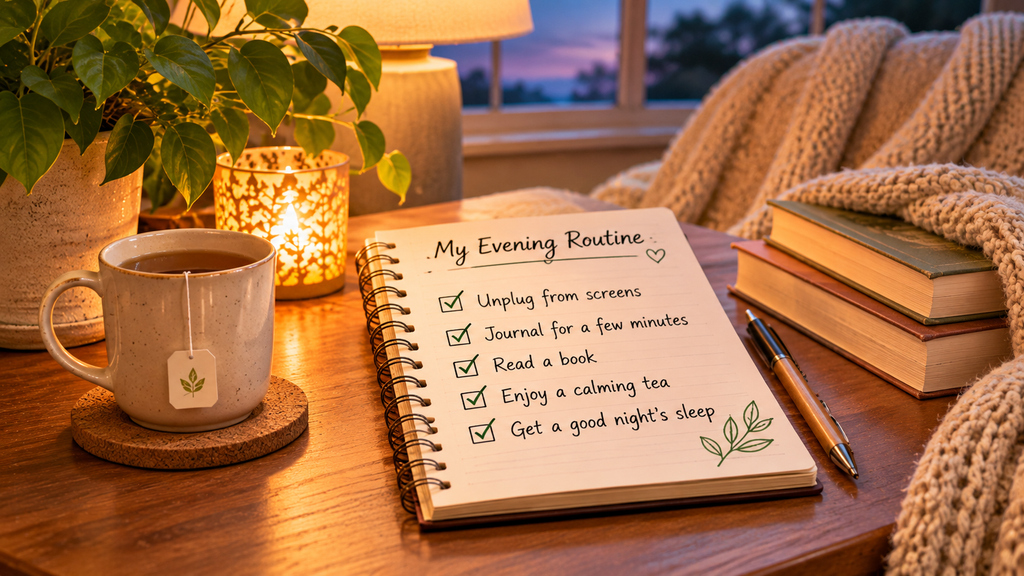
The most useful nighttime routine is one that fits your circumstances.
A person who works evening shifts may need a different schedule from someone who finishes work in the afternoon.
Parents and caregivers may have limited uninterrupted time.
Other people may prefer a shorter transition from daytime activities to bedtime.
Your routine can reflect those differences.
Choose One Habit to Begin
Instead of introducing six new activities, start with one.
You might put your phone away 15 minutes earlier or replace a short period of scrolling with reading.
Once the habit feels comfortable, decide whether another small change would be useful.
Connect the Habit to an Existing Routine
You could begin your screen-free time after brushing your teeth, finishing dinner, or preparing your bedroom.
A familiar daily event can serve as a reminder without requiring a complicated tracking system.
Let Your Preferences Guide You
Some evenings you may enjoy journaling.
On others, reading or simply sitting quietly might feel better.
You don’t have to repeat the same activity every night.
For a broader look at small mindful choices, explore our guide to 7 Mindful Daily Habits That Help Create a Calmer Routine.
Explore More Everyday Wellness Habits
Screen-free evenings are one part of a broader approach to everyday well-being.
Other habits, including movement, appropriate rest, food choices, and supportive daily routines, also deserve attention.
If you’re looking for practical guidance on developing realistic habits, The Everyday Wellness Guide from Daily Wellbeing Path explores areas such as sleep and recovery, stress and emotional well-being, and sustainable routines.

The educational digital guide also includes a companion workbook with planning and reflection resources.
It is not a treatment for insomnia, anxiety, or other medical conditions, but it may be a useful resource for adults interested in exploring thoughtful everyday wellness habits.
10. Common Mistakes to Avoid When Creating a Screen-Free Evening Routine
A thoughtful routine doesn’t need to become another source of pressure.
Here are some common difficulties to watch for.
Trying to Change Everything Overnight
Suddenly removing several familiar evening activities may make your routine feel restrictive.
Start with one manageable change and expand only when it feels useful.
Buying Too Many Relaxation Products
A comfortable environment can be helpful, but expensive accessories are not necessary for a meaningful screen-free evening.
A borrowed library book, existing notebook, or comfortable chair may be enough.
Replacing Scrolling with Another Demanding Task
A complicated project or stressful planning session may not provide the quiet transition you’re hoping for.
Choose activities that fit your energy and preferences.
Expecting Immediate Sleep Improvements
A screen-free routine may support healthy sleep habits, but it cannot guarantee faster sleep onset or solve every sleep difficulty.
Persistent sleep problems deserve attention from an appropriate healthcare professional.
Making the Routine Too Rigid
Some evenings will look different because of travel, family needs, work, or unexpected responsibilities.
Allow your routine to change without abandoning the overall intention.
Frequently Asked Questions About a Screen-Free Evening Routine
1. What is a screen-free evening routine?
A screen-free evening routine is a period of time when you intentionally reduce or avoid recreational screen use and choose other activities.
Examples include reading, journaling, coloring, quiet conversation, or preparing for bed without a phone or television.
It can be as short or as long as fits your circumstances.
2. How long should I avoid screens before bed?
Many sleep-health resources recommend reducing screen exposure for approximately an hour before bedtime.
However, you can begin with a shorter period if that feels more realistic.
The most helpful approach is one you can maintain without interfering with essential responsibilities.
3. What can I do at night instead of scrolling on my phone?
You could read a physical book, write in a journal, color, complete a word puzzle, listen to music without looking at a screen, or spend time talking with family.
Choose activities you find enjoyable rather than trying to follow an idealized nighttime routine.
4. Does avoiding screens before bed guarantee better sleep?
No. Avoiding screens may be a useful part of healthy sleep habits, but sleep is influenced by many factors.
Stress, medical conditions, medications, daily schedules, and sleeping environments can all affect sleep.
A screen-free routine is not a guaranteed solution for insomnia.
5. Can I use a digital alarm clock during a screen-free evening routine?
Yes. A screen-free routine doesn’t require eliminating every electronic device.
The main idea is to reduce unnecessary visual stimulation and recreational screen use.
A simple alarm clock can be a practical alternative to keeping a smartphone beside the bed.
6. Is journaling a good screen-free evening activity?
Journaling can be a convenient paper-based activity for reflection.
You can write about your day, note something you appreciated, or organize a few thoughts.
However, journaling doesn’t need to involve forced positivity or lengthy emotional reflection. If writing feels uncomfortable, another quiet activity may be more appropriate.
7. What if I need my phone for work or family emergencies?
Keep essential communication available.
You can use notification settings that allow important contacts while limiting unnecessary alerts.
A practical evening routine should work around your responsibilities and personal needs.
8. Do I need to buy products to create a screen-free evening routine?
No. Most screen-free activities can be enjoyed with everyday items you already own.
Books, notebooks, basic art supplies, and comfortable lighting may be enough.
Optional products can add convenience, but they aren’t necessary for developing a meaningful routine.
“A quieter evening doesn’t require a perfect routine. Sometimes, it begins by setting aside one distraction and making room for something that brings genuine peace.”
— Daily Wellbeing Path
Conclusion: Make Room for Quieter, More Intentional Evenings
Creating a screen-free evening routine doesn’t mean rejecting technology or following a strict set of nighttime rules.
It’s about recognizing when digital distractions are taking up more of your time than you’d like and choosing how to spend those moments more intentionally.
Reading, journaling, creative hobbies, gentle reflection, and quiet conversations are simple activities that can help make evenings feel more personal and enjoyable.
You don’t need to purchase special equipment, completely redesign your home, or achieve a perfect bedtime routine.
Begin with a few minutes away from unnecessary screens, choose an activity you genuinely enjoy, and allow your habits to evolve.
Remember that restful evenings are part of a broader approach to well-being, including appropriate sleep, daily movement, supportive relationships, and realistic routines.
Start small, stay flexible, and give yourself permission to enjoy a quieter end to the day.
Screen-Free Evening Routine: Helpful Amazon Picks
Explore our selection of journals, creative activities, soft lighting, and cozy accessories for more comfortable screen-free evenings.
Choose the options that suit your interests and everyday routine.