Discover practical ways to choose shelf-stable foods, organize your pantry, and build a reliable food storage system for everyday peace of mind.
Creating a well-stocked pantry is about more than keeping extra groceries on hand. It’s about making everyday life easier, reducing unnecessary food waste, and knowing you have essential ingredients available when you need them.
Whether you’re preparing for a busy week, unexpected weather, temporary supply disruptions, or simply trying to shop more efficiently, long term food storage can be a practical addition to your household routine.
The good news? You don’t need a large basement, expensive equipment, or an overwhelming collection of supplies to get started.
With a little planning, you can build an organized food storage system that fits your available space, your family’s eating habits, and your budget.
In this beginner-friendly guide, you’ll discover which foods are suitable for longer storage, how to organize your pantry, what storage mistakes to avoid, and how traditional food preservation methods can complement modern kitchen practices.
You’ll also learn about practical storage tools and additional resources that may help you create a more functional pantry.
Affiliate Disclosure: This article contains affiliate links. If you purchase through these links, we may earn a commission at no additional cost to you. We only feature products that are relevant to the topics discussed.
What Is Long Term Food Storage?
Long term food storage is the practice of selecting, organizing, and storing foods so they remain safe and suitable for consumption over an extended period, according to their specific storage requirements.
For some households, that means keeping a few extra weeks of everyday pantry staples. For others, it may involve maintaining a larger supply of shelf-stable ingredients for unexpected situations.
The important distinction is that long term food storage isn’t simply about buying food in bulk. It involves understanding shelf life, packaging, storage conditions, and how frequently different ingredients should be used and replaced.
A practical system generally includes three types of food:
1. Everyday Pantry Staples
These are ingredients you regularly use when preparing meals, such as:
- Rice and dried pasta
- Dried beans and lentils
- Rolled oats
- Flour and sugar
- Shelf-stable canned vegetables
- Cooking oils
Keeping reasonable quantities of familiar ingredients makes it easier to plan meals without constantly running to the grocery store.
However, shelf life varies significantly. Whole grains, oils, and flour, for example, may deteriorate faster than some other dry pantry staples.
2. Shelf-Stable Emergency Foods
Shelf-stable foods can be stored safely without refrigeration while unopened, provided their packaging remains intact and the manufacturer’s storage instructions are followed.
Examples include commercially canned beans, vegetables, soups, fish, and other ready-to-eat products.
These foods can be especially helpful during temporary power outages or situations when cooking facilities are limited.
Choose foods your household actually enjoys, and include options that require little or no preparation.
3. Foods Preserved for Later Use
Freezing, dehydration, and properly performed canning are common methods of extending the usable life of certain foods.
Each method has different requirements.
Frozen foods must remain at appropriate freezer temperatures, dehydrated foods need suitable moisture protection, and home-canned foods require tested processing methods to prevent serious foodborne illness.
Not every preservation technique is appropriate for every ingredient.
The goal is to create a balanced system that supports your household’s needs without compromising food safety.
Why Long Term Food Storage Matters for Everyday Life
A thoughtfully organized pantry can make your home feel more manageable, particularly when your schedule is busy or grocery shopping isn’t always convenient.
Rather than focusing exclusively on emergencies, consider the everyday advantages of maintaining a practical food supply.
It Makes Weekly Meal Planning Easier
Having familiar ingredients available can simplify meal preparation.
For example, dried pasta, canned tomatoes, lentils, and basic seasonings can form the foundation of several affordable meals.
When your pantry contains ingredients you regularly use, you can plan recipes around what you already have instead of buying everything from scratch.
This approach also helps reduce duplicate purchases.
It Can Help Reduce Food Waste
Buying larger quantities isn’t automatically economical.
Food that expires, deteriorates, or gets forgotten at the back of a cupboard can quickly eliminate any savings.
A well-managed pantry encourages you to monitor expiration dates, use older items first, and purchase quantities that match your household’s consumption.
One helpful principle is first in, first out (FIFO): place newly purchased products behind older ones so the items that have been stored the longest are used first, provided they remain safe and suitable to eat.
It Provides More Flexibility During Unexpected Situations
Severe weather, temporary transportation problems, illness, or changes in household schedules can make grocery shopping difficult.
Keeping a reasonable supply of shelf-stable foods gives you additional flexibility during these interruptions.
For emergency preparedness, prioritize foods that can be eaten without cooking, along with an appropriate supply of safe drinking water.
Remember that food storage is only one part of a broader household preparedness plan.
It Encourages a More Organized Home
An organized pantry isn’t necessarily one filled with matching containers or perfectly arranged shelves.
A functional pantry makes it easy to identify ingredients, monitor quantities, and access the foods you use most often.
Even a small cupboard can become an effective storage space with thoughtful grouping, clear labels, and regular inventory checks.
The best system is one you can realistically maintain.
Ultimately, long term food storage should simplify your routine, not create another complicated household task.
Best Foods for Long Term Storage
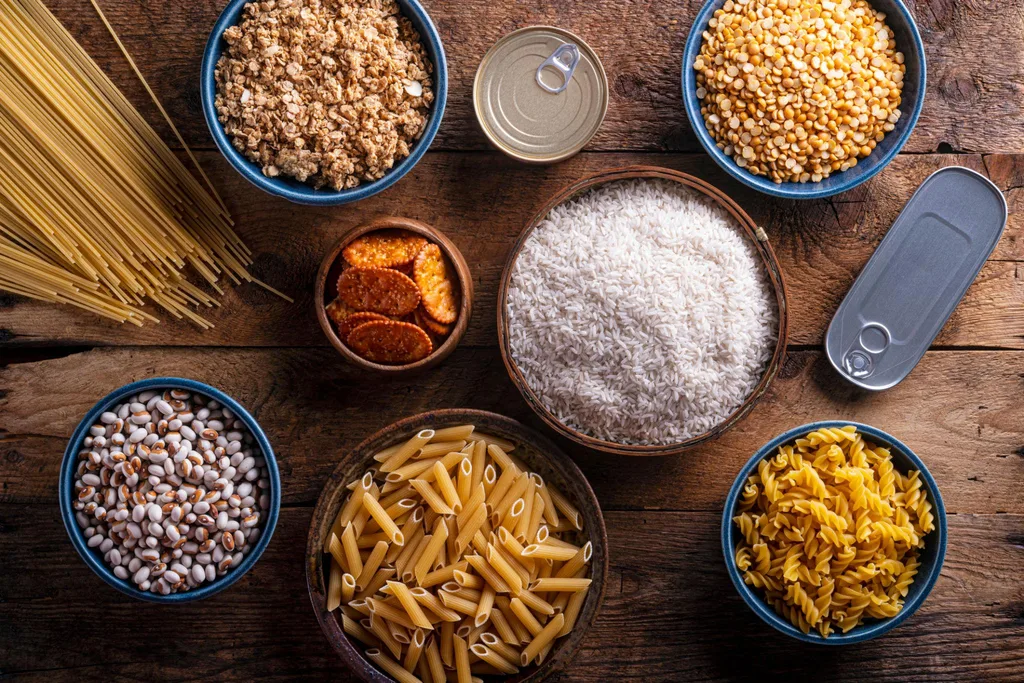
Choosing the right foods is one of the most important steps in creating a practical and reliable pantry. While many ingredients can remain shelf-stable for extended periods, their actual storage life depends on packaging, temperature, moisture, and the characteristics of each food.
For beginners, the best approach is to start with familiar ingredients that are easy to prepare, versatile, and already part of the household’s regular meals.
A successful long term food storage system doesn’t require purchasing large quantities of unfamiliar products. Instead, it begins with selecting foods you will realistically use and replace over time.
Rice, Pasta, and Dry Grains
Rice, dried pasta, and other grains are practical staples for everyday meals.
White rice is often preferred for longer storage because it contains fewer natural oils than brown rice, which can become rancid more quickly.
Dried pasta is another convenient option, especially when stored in a cool, dry environment and protected from moisture and pests.
Rolled oats can be useful for breakfast, baking, and simple homemade recipes.
When choosing these ingredients, consider how frequently your household uses them and purchase quantities that can be rotated comfortably.
Dried Beans, Lentils, and Legumes
Dried beans, lentils, and other legumes are versatile ingredients that can be used in soups, stews, grain bowls, and everyday meals.
They are convenient for pantry planning because many varieties can be stored without refrigeration while dry.
However, their quality can gradually decline, and older beans may require longer cooking times.
Always follow appropriate preparation instructions. Some varieties, particularly kidney beans, require thorough cooking to reduce naturally occurring toxins.
Commercially Canned Foods
Commercially canned foods are particularly convenient because many are ready to eat or require minimal preparation.
Useful options include canned beans, vegetables, tomatoes, fish, soups, and fruit.
These products can complement dry ingredients and provide additional meal options when time or cooking facilities are limited.
Inspect cans before use and avoid products with bulging, leaking, severe rust, or deep dents, particularly around seams.
Follow the manufacturer’s storage instructions and refrigerate leftovers promptly after opening.
Baking and Cooking Essentials
A well-stocked pantry should also include basic ingredients used in everyday cooking.
Flour, sugar, salt, baking soda, dried herbs, and spices can support a variety of homemade meals.
However, storage life differs between products.
Whole-grain flour, for example, generally deteriorates faster than refined white flour because of its higher natural oil content.
Cooking oils are also sensitive to heat, light, and oxygen.
The most practical approach is to keep reasonable quantities and replace ingredients as needed.
Ready-to-Eat Shelf-Stable Foods
Ready-to-eat foods can be particularly helpful during temporary power outages, severe weather, or unexpected changes in household routines.
Options may include commercially packaged crackers, nut butters, canned meals, and other foods that can be safely stored unopened without refrigeration.
Choose products that suit your household’s dietary needs and require minimal preparation.
For emergency planning, prioritize some foods that can be eaten without cooking or electricity.
How to Store Food Long Term Safely
Choosing suitable foods is only part of the process. Proper storage conditions are essential for maintaining quality, reducing waste, and minimizing food safety risks.
A pantry doesn’t need to be large or expensive to function effectively. What matters most is protecting food from conditions that can accelerate deterioration.
Keep Your Pantry Cool and Dry
Heat, humidity, and direct sunlight can shorten the usable life of many pantry staples.
Choose a clean, dry storage area away from ovens, heating equipment, and moisture-prone spaces.
Regularly check shelves and cupboards for condensation, leaks, insects, and damaged packaging.
Protect Food From Moisture and Pests
Moisture can contribute to spoilage, while pantry pests may contaminate stored ingredients.
Keep packages properly closed and follow the manufacturer’s storage instructions.
For opened dry foods, suitable food-safe containers can help protect ingredients from everyday exposure.
The type of container should match the food being stored and the intended storage period.
We’ll explore practical pantry organization methods in the next section.
Pay Attention to Storage Dates
Not every date printed on food packaging has the same meaning.
Some dates primarily relate to quality, while others may have food safety implications.
Follow applicable food safety guidance and manufacturer instructions rather than relying on appearance or smell alone.
When transferring foods to another container, preserve important information from the original packaging, including relevant dates and preparation instructions.
Inspect Stored Foods Regularly
Even shelf-stable products require occasional attention.
Check for damaged packaging, signs of pests, moisture exposure, unusual odors, or other indications of deterioration.
Never taste food to determine whether it is safe.
When there is uncertainty about the safety of a stored product, the safest option is to discard it.
A simple monthly pantry check can help identify problems early and prevent ingredients from being forgotten.
Safe long term food storage begins with thoughtful food choices, suitable storage conditions, and consistent maintenance—not expensive equipment.
How to Build a Practical Long Term Food Storage Pantry
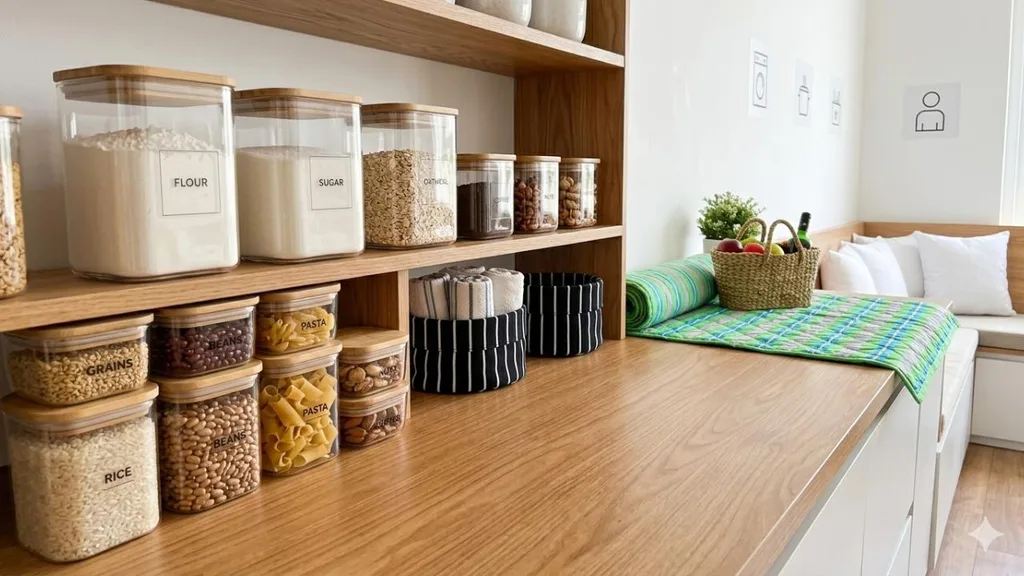
Building a practical pantry doesn’t mean filling every available shelf with groceries. A successful long term food storage system starts with understanding your household’s needs, choosing appropriate storage spaces, and creating an organization method that is easy to maintain.
Whether you have a spacious walk-in pantry or a few kitchen cupboards, thoughtful planning can help you make better use of the space you already have.
Start With a Simple Pantry Inventory
Before purchasing additional supplies, take a look at what you already own.
Check your cupboards, shelves, and other designated food storage areas. Identify ingredients you use regularly, products approaching their recommended use dates, and items that have been forgotten.
Group similar foods together, such as grains, legumes, canned goods, baking ingredients, and ready-to-eat products.
This simple inventory helps prevent unnecessary purchases and gives you a clearer picture of what your pantry actually needs.
You can also create a basic checklist to track frequently used ingredients and quantities.
Choose a Storage System That Fits Your Space
An effective pantry should make ingredients easy to find, access, and replace.
You don’t need expensive shelving or a complete kitchen renovation to improve organization.
Start with a few practical adjustments:
- Keep frequently used ingredients within easy reach.
- Group similar foods together.
- Store heavier products on sturdy lower shelves.
- Avoid overcrowding shelves or blocking access to older items.
- Keep food away from moisture-prone areas and excessive heat.
- Reserve a clearly identified area for emergency supplies, if space allows.
Clear containers, shelf organizers, and simple labels can make everyday pantry management easier.
However, functionality should always come before appearance.
Organize Dry Ingredients With Suitable Containers
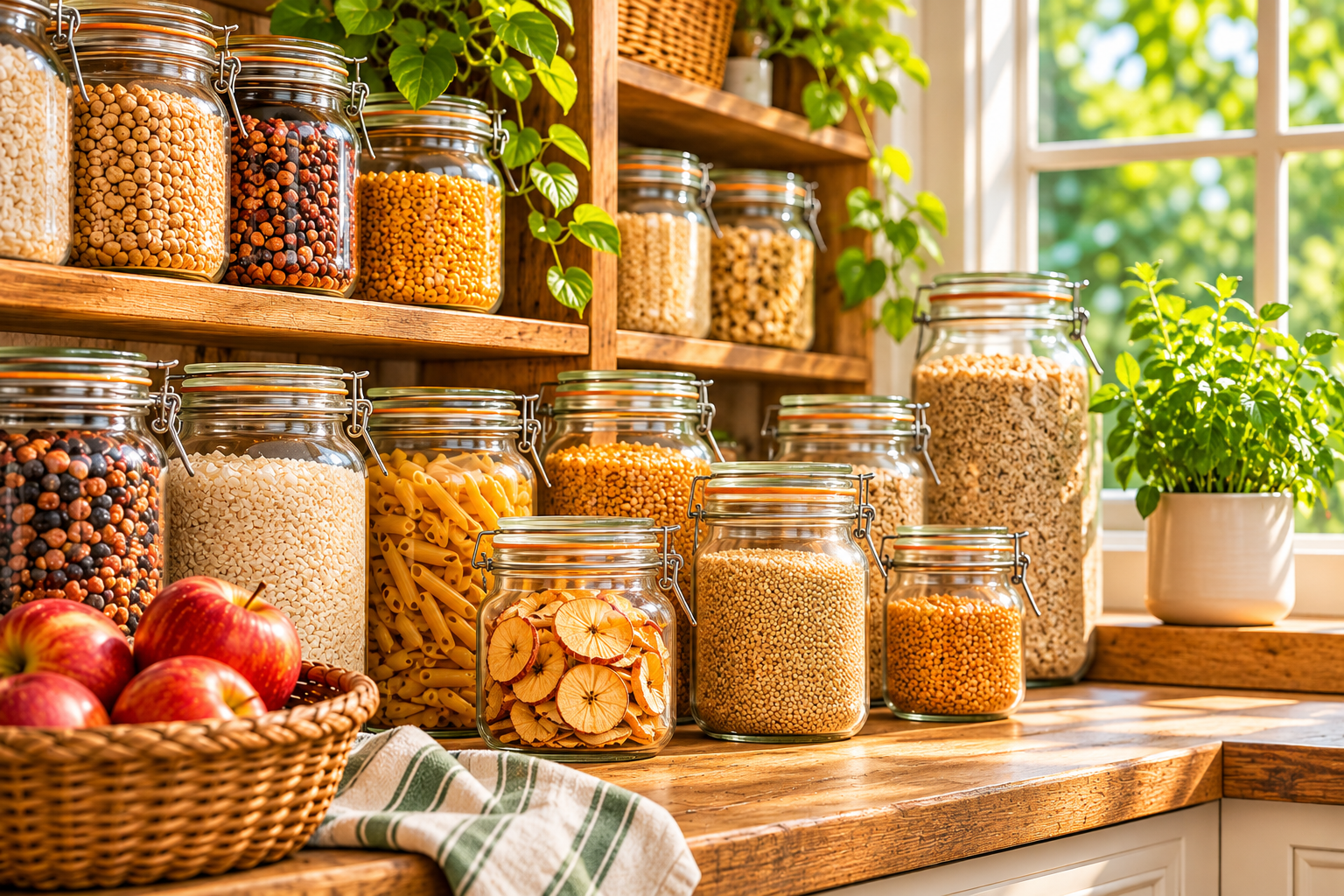
Opened packages of rice, cereal, flour, sugar, and other dry ingredients can become difficult to organize, especially when several bags and boxes share the same cupboard.
Food-safe containers with secure lids may help protect these ingredients from everyday exposure to moisture, pests, and accidental spills.
Stackable containers can also make better use of vertical shelf space, while transparent designs allow you to check quantities without opening every container.
When choosing containers, consider their capacity, dimensions, ease of cleaning, and suitability for the foods you plan to store.
A Practical Pantry Organization Option
For households looking to organize several dry ingredients, the Airtight Food Storage Containers with Lids – 14 Piece Kitchen Pantry Organization Set is one option worth considering.
According to its product description, the set includes assorted-size, clear BPA-free plastic containers with lids. Its stackable design is intended for organizing everyday pantry staples such as cereal, flour, sugar, rice, and snacks.
The variety of container sizes may be useful for arranging different ingredients while maintaining a consistent storage system.
Keep in mind that these containers are intended for everyday pantry organization. They should not automatically be considered specialized equipment for multi-year emergency food preservation.
Before purchasing, check the current listing for container dimensions, materials, care instructions, and suitability for your needs.
Explore the 14-Piece Airtight Food Storage Container Set on Amazon
Affiliate link. We may earn a commission from qualifying purchases at no additional cost to you.
Label Containers and Keep Important Information
Once ingredients are transferred into storage containers, it becomes especially important to keep track of what is inside.
Use simple labels to identify the food and record relevant dates.
Whenever possible, retain important information from the original packaging, including storage instructions, expiration information, and preparation guidelines.
For households managing multiple ingredients, a consistent labeling system can reduce confusion and make pantry checks more efficient.
Follow a First In, First Out Routine
The first in, first out method, commonly known as FIFO, is a simple way to organize pantry supplies.
When purchasing new groceries, place them behind older products so previously purchased ingredients are used first, as long as they remain safe and suitable to consume.
For example, if you buy another bag of rice, position it behind the rice you already have.
This method helps maintain a regular rotation of pantry staples and reduces the likelihood of products being forgotten.
However, always check food condition, applicable date labels, and storage instructions rather than relying on purchase order alone.
Build Your Pantry Gradually
One of the most common misconceptions about long term food storage is that you need to purchase everything at once.
In reality, building a pantry gradually is often more practical.
Start by identifying a small selection of foods your household uses consistently. Then, when your budget and storage space allow, add reasonable quantities of those ingredients.
Over time, you can expand your pantry to include a wider variety of shelf-stable foods and convenient meal options.
For emergency preparedness, remember to consider safe drinking water, household dietary requirements, and foods that can be eaten without electricity.
A well-planned pantry should support your daily routine while providing additional flexibility when unexpected situations arise.
The most effective long term food storage system is one that remains organized, manageable, and useful throughout the year.
7 Simple Steps to Get Started
Ready to put your pantry organization ideas into practice? These seven simple steps can help you build a practical long term food storage system without feeling overwhelmed.
- Check your current pantry. Identify the ingredients you already have and use regularly.
- Choose familiar staples. Start with rice, pasta, beans, oats, and other foods your household enjoys.
- Find a suitable storage space. Choose a clean, cool, and dry area away from excessive heat and moisture.
- Organize your ingredients. Group similar foods together and use appropriate food-safe containers when needed.
- Label your supplies. Keep product names, relevant dates, and storage instructions easy to identify.
- Rotate your food regularly. Use older products first when they remain safe and suitable for consumption.
- Review your pantry monthly. Check packaging, storage conditions, and ingredients that need replacing.
Building a reliable pantry is a gradual process. Start with a few manageable changes and adjust your system as your household’s needs evolve.
Food Preservation Methods for Long Term Storage
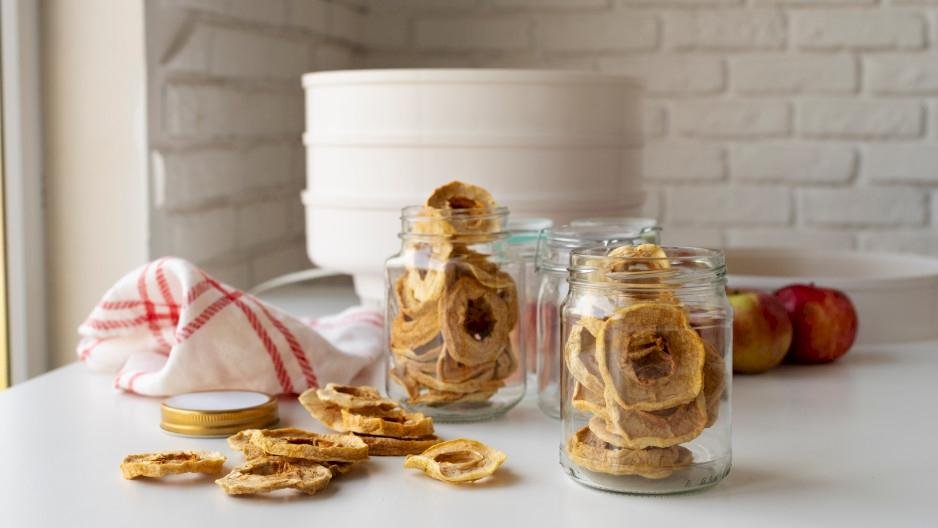
Understanding different food preservation methods can help you make better decisions about what to store, how to store it, and how long certain foods may remain suitable for use.
While pantry staples such as dried rice, pasta, and commercially canned foods are convenient starting points, other ingredients require additional preparation or specific storage conditions.
Some preservation methods are suitable for everyday meal planning, while others require specialized equipment and careful attention to food safety.
The key is choosing techniques that fit your household’s routine without creating unnecessary complications.
Freezing Foods for Future Meals
Freezing is one of the most practical ways to preserve many ingredients and prepared meals.
Vegetables, meats, soups, sauces, and certain cooked dishes can often be frozen successfully when handled and packaged correctly.
For best results, cool cooked foods promptly using safe cooling practices, divide larger portions into manageable containers, and refrigerate or freeze perishable foods within recommended time limits.
Keep your freezer at 0°F (-18°C) or below.
Proper freezing helps maintain food safety, but quality may gradually decline during extended storage. Freezing also does not destroy all harmful microorganisms.
Label frozen foods with their contents and storage dates so you can identify and rotate them easily.
For busy households, freezing individual meal portions can make weekday cooking more manageable.
Dehydrating Foods to Reduce Moisture
Dehydration removes moisture from food, helping limit the conditions that support microbial growth.
Certain fruits, vegetables, and herbs can be dehydrated using appropriate equipment and established food preservation instructions.
However, drying requirements vary depending on the ingredient.
Foods must be dried sufficiently, cooled appropriately, and stored in packaging suitable for their moisture level and intended storage conditions.
Improperly dried or packaged foods may develop mold or spoil.
For beginners, it’s best to follow tested dehydration instructions from reliable food preservation resources rather than experimenting with unverified temperatures or drying times.
Understanding Home Canning
Home canning can be useful for preserving certain foods, but it requires careful attention to processing methods.
High-acid foods and low-acid foods have different safety requirements.
Low-acid foods, including most vegetables, meats, and beans, require pressure canning using a tested procedure. Boiling-water canning is not a safe substitute for these foods.
Improper home canning can create conditions associated with botulism, a potentially life-threatening foodborne illness.
Always use current, scientifically tested recipes and processing instructions from recognized food safety authorities.
Avoid relying on traditional recipes alone when they do not provide validated processing methods.
How Vacuum Sealing Fits Into Food Storage
Vacuum sealing is another technique that may help protect food quality by removing much of the air surrounding the contents of compatible packaging.
It can be particularly useful when portioning certain foods for freezing.
For example, some households use vacuum-sealed bags to organize frozen ingredients, reduce exposure to air, and make better use of available freezer space.
However, vacuum sealing is not the same as canning, sterilization, or shelf-stable preservation.
Removing air does not eliminate harmful bacteria or make perishable foods safe to store at room temperature.
Vacuum-sealed meat, fish, cooked meals, and other refrigerated or frozen foods must still be handled and stored according to appropriate food safety guidance.
A Compact Vacuum Sealer for Everyday Food Storage
For households interested in portioning ingredients or organizing freezer supplies, the Chef Preserve Compact Vacuum Sealer for Food is one product to consider.
According to the supplied product description, this handheld vacuum-sealing system includes a compact vacuum sealer and 30 reusable vacuum bags.
Its portable format may appeal to people who prefer a smaller device rather than a traditional countertop vacuum-sealing machine.
When comparing vacuum sealers, consider the types of foods you usually store, compatible bag sizes, cleaning requirements, and the availability of replacement bags.
Reusable bags should be cleaned and maintained according to the manufacturer’s instructions, and their reuse must be appropriate for the foods they have contained.
The equipment should be viewed as a food packaging accessory rather than a replacement for refrigeration, freezing, or tested preservation methods.
Explore the Chef Preserve Compact Vacuum Sealer on Amazon

- 💰REDUCE WASTE AND SAVE MONEY: Chef Preserve vacuum seals your food in less than 5 seconds, extends freshness, and pays f…
- ✅ POWERFUL, QUICK & EASY TO USE: Simply press the button to start. The device vacuum seals a bag in 5 seconds and automa…
- ♻️ REUSABLE & RESEALABLE BAGS: Chef Preserve comes with dishwasher, freezer, refrigerator, and microwave-safe bags that …
Affiliate link. We may earn a commission from qualifying purchases at no additional cost to you.
Combine Food Preservation With Weekly Meal Planning
Food preservation becomes especially practical when it supports the meals your household already prepares.
For example, freezing portions of homemade soup, storing ingredients in manageable quantities, and planning recipes around existing pantry supplies can help simplify busy weeks.
You don’t need to preserve large quantities of food to benefit from these habits.
A few carefully planned meals and properly stored ingredients can make a noticeable difference in your weekly routine.
For additional ideas, explore our guide to batch cooking for busy weeks, which explains how preparing meals ahead of time can support a more organized kitchen routine.
Make Meal Planning Easier With Healthy Meal Prep for Busy Weeks
Looking for a practical way to turn your pantry staples into easy everyday meals? Our digital cookbook, Healthy Meal Prep for Busy Weeks, includes 30 simple recipes, smart preparation tips, and a weekly planning system designed to make meal preparation easier for busy households.
Explore Healthy Meal Prep for Busy Weeks
Common Long Term Food Storage Mistakes to Avoid
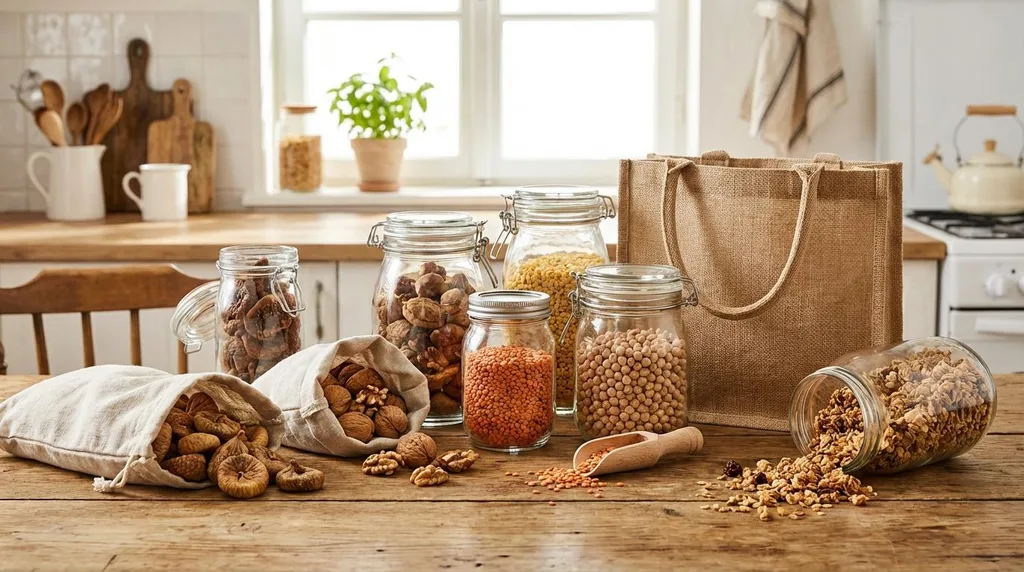
Building a reliable pantry takes more than choosing foods with a long shelf life. Small mistakes in storage, organization, and food handling can affect quality, increase waste, and sometimes create safety risks.
Fortunately, many of these problems can be avoided with simple, consistent habits.
Buying More Food Than You Can Realistically Use
Purchasing large quantities may seem like a good way to prepare for the future, but buying too much can lead to unnecessary waste.
Before stocking up, consider your available space, household size, eating habits, and how frequently you use specific ingredients.
Start with manageable quantities and expand your supplies gradually.
A practical pantry should contain foods you enjoy eating, not products purchased simply because they are advertised as long-lasting.
Ignoring Temperature and Moisture
Even foods designed for pantry storage can deteriorate when exposed to excessive heat, humidity, or direct sunlight.
Avoid placing dry ingredients near ovens, heating equipment, or areas where condensation regularly occurs.
Check your storage spaces periodically and address moisture problems promptly.
Forgetting to Rotate Stored Foods
A pantry can become disorganized when new groceries are continually placed in front of older supplies.
Without a simple rotation system, products may remain unused until their quality declines.
Keep older products accessible, check relevant date labels, and review your pantry regularly.
Remember that food safety depends on storage conditions and product characteristics, not dates alone.
Assuming Every Preservation Method Works for Every Food
Different foods require different preservation techniques.
For example, vacuum sealing does not make raw meat safe to store at room temperature, and boiling-water canning is not appropriate for preserving low-acid foods such as meat or most vegetables.
Improper preservation methods can create serious food safety risks.
Always follow current, tested procedures from reliable food preservation authorities.
Overlooking Emergency Cooking and Water Needs
A pantry filled with dried beans, rice, and pasta may be useful for everyday cooking, but these ingredients often require water, heat, and preparation time.
During a power outage or other emergency, cooking may be difficult.
Consider including some ready-to-eat shelf-stable foods and maintaining an appropriate supply of safe drinking water.
Choose emergency supplies according to your household’s needs and local preparedness guidance.
The goal isn’t to prepare for every possible scenario. It’s to create a sensible, flexible food storage system that supports your everyday life.
Exploring Traditional Food Preservation: The Lost SuperFoods
Modern food storage often focuses on commercially packaged products, refrigeration, and specialized kitchen equipment.
However, traditional food preservation practices also offer an interesting perspective on how households have prepared and stored ingredients over time.
Learning about these methods can provide inspiration for homemade recipes, pantry planning, and a more resourceful approach to food preparation.
One resource readers may wish to explore is The Lost SuperFoods, a book focused on traditional recipes, food preparation, and preservation-related ideas.
What Is The Lost SuperFoods?
The Lost SuperFoods is promoted as a collection of more than 100 recipes and food-related techniques inspired by traditional approaches to preparing and preserving ingredients.
Its subject matter may appeal to readers interested in learning about historical food practices, exploring different pantry-friendly recipes, and discovering ideas beyond conventional grocery shopping.
Rather than treating the book as an essential purchase, it’s best viewed as an optional resource for readers who enjoy researching traditional food preparation.
Who Might Find This Book Interesting?
The Lost SuperFoods may be worth exploring if you:
- Enjoy learning about traditional recipes and food preparation methods.
- Want inspiration for using familiar pantry ingredients in different ways.
- Are interested in the history of food preservation.
- Prefer having a collection of recipes and ideas in one resource.
- Want to explore food storage topics beyond everyday kitchen organization.
As with any recipe or preservation guide, evaluate individual instructions carefully before using them.
Traditional practices are not automatically safe by modern standards, particularly when they involve home canning, low-acid foods, fermentation, or storing perishable ingredients without refrigeration.
For safety-critical preservation methods, use current, scientifically tested guidance from recognized food safety authorities.
Where to Explore The Lost SuperFoods
If you’re interested in traditional recipes and preservation-related ideas, you can review the book’s description, contents, and current purchasing options on its official sales page.
Explore The Lost SuperFoods Book
Affiliate link. We may earn a commission if you purchase through this link, at no additional cost to you.
Before purchasing, review the current price, format, delivery details, and refund terms to decide whether the book is suitable for your interests.
Final Thoughts on Long Term Food Storage
Creating a reliable food storage system doesn’t require a large pantry, expensive equipment, or an overwhelming collection of supplies.
The most practical approach is to start with foods your household already uses, understand their storage requirements, and build an organization system you can maintain over time.
Choose shelf-stable ingredients thoughtfully, protect them from unsuitable storage conditions, and rotate supplies regularly.
If you decide to explore freezing, dehydration, vacuum sealing, or home canning, always follow appropriate food safety practices.
Remember that long term food storage is not simply about keeping food for as many years as possible. It’s about making thoughtful choices that support everyday cooking, reduce unnecessary waste, and provide additional flexibility when routines change.
Start small, stay organized, and focus on building a pantry that works for your home.
A well-planned pantry is one that makes everyday life easier while helping you feel better prepared for the unexpected.
“A well-stocked pantry isn’t about having more. It’s about making thoughtful choices that bring simplicity, comfort, and peace of mind to everyday life.”
— Daily Wellbeing Path