Starting a walking routine doesn’t have to be complicated or expensive. In fact, one of the greatest advantages of walking is that you can begin with very little equipment, at your own pace, and in places that are already part of your everyday life.
But knowing which walking essentials for beginners actually matter can make those first steps more comfortable and enjoyable.
Do you need specialized walking shoes? Are moisture-wicking socks worth considering? Should you carry a water bottle, wear a fitness tracker, or invest in accessories before heading outdoors?
The answer is simpler than many product lists suggest.
For most beginners, the priority is comfortable footwear, weather-appropriate clothing, a safe walking environment, and a realistic routine. Additional accessories can be helpful, but not everything marketed as walking gear is necessary.
According to the Centers for Disease Control and Prevention (CDC), walking is a practical way to become more physically active, and beginners can start slowly before gradually increasing their activity levels.
In this guide, we’ll explore what you actually need to begin walking, how to choose practical equipment, which accessories are optional, and how to develop a sustainable walking routine without unnecessary purchases.
Whether you’re returning to physical activity after a long break or simply looking for an easy way to move more during the day, these beginner walking tips will help you make informed choices.
For additional ideas on practical everyday habits, explore our Wellness Essentials collection.
Affiliate Disclosure: This article contains affiliate links. We may earn a commission from qualifying purchases at no additional cost to you. As an Amazon Associate, we earn from qualifying purchases.
1. What Walking Essentials Do Beginners Really Need?
When starting a new activity, it’s easy to assume that success depends on having the right collection of products.
Walking is different.
You don’t need an expensive fitness wardrobe, advanced tracking devices, or specialized equipment to enjoy a short walk around your neighborhood.
For most beginners, the essentials are surprisingly straightforward:
- Comfortable, supportive shoes that fit properly.
- Socks that help reduce friction and manage moisture.
- Clothing suitable for the weather and temperature.
- Access to drinking water when needed.
- A safe, accessible place to walk.
Everything else depends on your personal preferences, walking environment, and individual needs.
For example, someone walking for 15 minutes through a nearby park may need fewer accessories than someone planning a longer route in warm weather.
Similarly, a person who prefers early morning walks may benefit from reflective clothing, while someone who walks indoors may not need it.
The best walking gear for beginners is equipment that solves a real problem, not accessories purchased simply because they appear on a checklist.
Before buying anything new, consider what you already own. A comfortable pair of athletic shoes, breathable clothing, and a reusable water bottle may be enough to begin.
2. Comfortable Walking Shoes: Your Most Important Starting Point
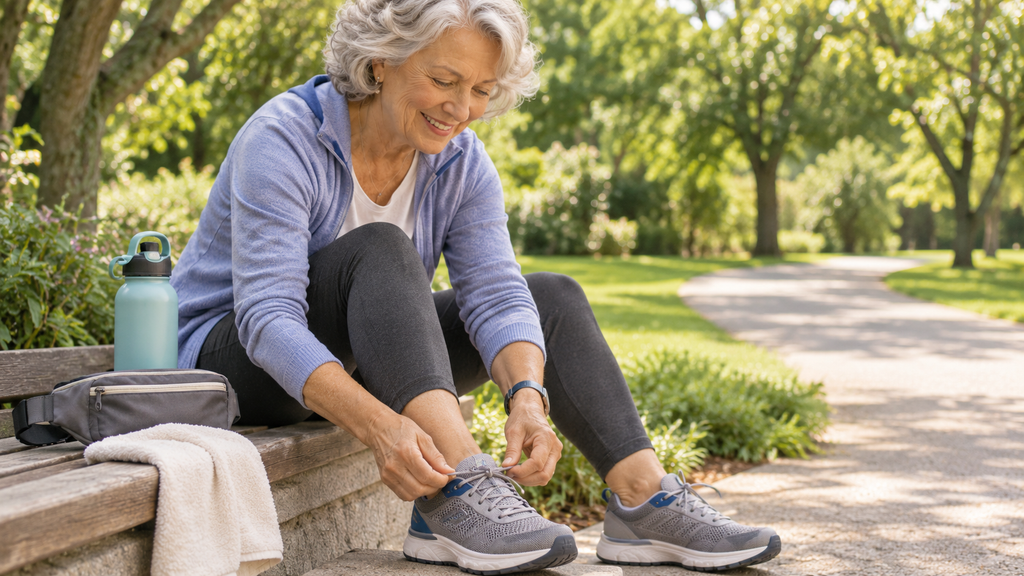
Of all the walking essentials for beginners, footwear deserves particular attention.
Your shoes affect how your feet feel during a walk, especially as you begin spending more time on your feet.
A well-fitting walking shoe should feel comfortable from the beginning without requiring you to tolerate painful rubbing, excessive pressure, or unstable movement.
What to Look for in Walking Shoes
When comparing walking shoes for beginners, consider several practical characteristics.
A comfortable fit
Your toes should have enough room to move without feeling squeezed. At the same time, your heel should remain reasonably secure rather than slipping excessively with every step.
Appropriate cushioning
Cushioning can make walking on hard surfaces feel more comfortable. However, the ideal amount varies according to personal preference, walking style, and individual foot needs.
A stable sole
Shoes should provide suitable traction for the surfaces where you normally walk, whether that’s pavement, indoor flooring, or maintained park paths.
Breathable materials
Breathable uppers may help manage warmth and moisture, particularly during longer walks or in warmer weather.
Easy everyday use
Some beginners appreciate lightweight designs or slip-on styles that are convenient to put on and remove.
Are Running Shoes Suitable for Walking?
Many running shoes can also work well for everyday walking, provided they fit comfortably and offer appropriate support.
You don’t necessarily need a shoe labeled specifically for walking.
The most important factors are fit, comfort, traction, and how the shoe feels during your usual walking activity.
People with persistent foot pain, significant balance difficulties, or specific orthopedic needs may benefit from personalized footwear guidance.
A Walking Shoe Option Worth Exploring
One example of an everyday walking shoe is the Skechers Women’s GO WALK Flex Grand Entry.
This model is designed for casual walking and everyday use, with a convenient slip-on style that may appeal to people who prefer simple footwear.
It is one option to compare when researching comfortable walking shoes, rather than a universal recommendation for every beginner.
Before choosing a size or style, check the manufacturer’s current specifications, fit guidance, customer feedback, and return policy.
The right walking shoe should feel comfortable for your feet and suit the surfaces where you plan to walk.
3. Walking Socks: A Small Detail That Can Improve Comfort
Shoes often receive most of the attention, but socks also play an important role in everyday walking comfort.
Poorly fitting socks can bunch up inside shoes, create uncomfortable pressure, or contribute to friction.
For beginners, the goal is to choose socks that fit securely, feel comfortable, and work well with their walking shoes.
What Makes Good Walking Socks?
Consider these characteristics:
Moisture management
Socks made with moisture-wicking materials can help move perspiration away from the skin.
Comfortable cushioning
Light or moderate cushioning may provide additional comfort, particularly around the heel and forefoot.
A secure fit
Socks should stay in place without creating excessive pressure or slipping down.
Smooth construction
Seams that rub against the skin can become uncomfortable during longer walks.
Athletic performance socks, such as the Saucony Women’s RunDry Performance Socks, are examples of products designed with active use in mind.
However, you don’t need to purchase a particular brand to get started.
If your existing socks are comfortable, fit well, and don’t cause irritation, they may already be suitable for short walks.
People with diabetes, reduced foot sensation, or circulation concerns should pay particular attention to foot protection and follow individualized medical advice.
4. What to Wear for Walking: Keep Clothing Simple
Choosing the right walking clothes is less about fashion or expensive sportswear and more about comfort.
Your clothing should allow natural movement, suit the weather, and help you avoid becoming excessively hot or cold.
For Warm Weather
Lightweight, breathable clothing can make walking more comfortable when temperatures rise.
Consider:
- A comfortable T-shirt or breathable athletic top.
- Shorts, lightweight pants, or other flexible clothing.
- A hat for shade.
- Sunglasses with appropriate UV protection.
- Broad-spectrum sunscreen on exposed skin.
Try to plan outdoor walks during cooler parts of the day when temperatures are high.
For Cooler Weather
Dressing in layers can make it easier to adjust as your body warms up.
A breathable base layer, lightweight insulating layer, and weather-resistant outer layer may be useful depending on conditions.
Avoid clothing that restricts movement or becomes uncomfortable when damp.
Do You Need Special Walking Clothes?
Not necessarily.
Many beginners can start with comfortable everyday athletic clothing they already own.
Specialized garments may become useful later, particularly if you walk frequently or encounter challenging weather conditions.
But the first priority is simply being able to move comfortably and safely.
5. Hydration Essentials: Do You Really Need a Special Water Bottle?
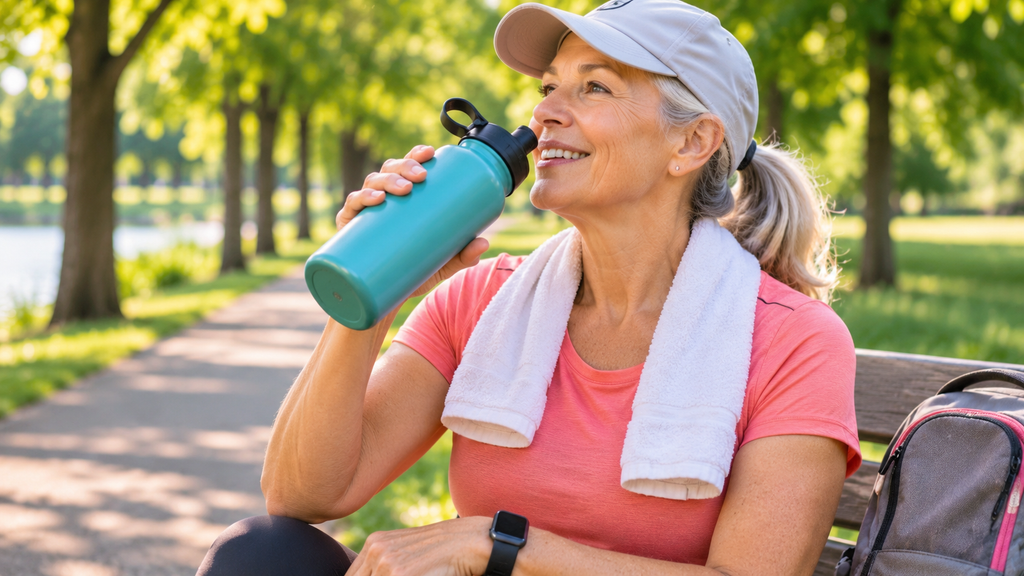
Staying hydrated is an important consideration when developing an outdoor walking routine.
Your fluid needs depend on factors such as temperature, humidity, walking duration, intensity, and individual health circumstances.
For a short, comfortable walk in mild weather, you may not need to carry a large water bottle.
Longer walks and hotter conditions may make carrying water more important.
Choosing a Practical Walking Water Bottle
Look for:
- A size that’s comfortable to carry.
- A secure, leak-resistant lid.
- An opening that’s easy to drink from.
- Materials that are easy to clean.
- A design suitable for your walking bag or carrying method.
Insulated bottles can help keep drinks cool or warm, but insulation is a convenience rather than a requirement.
Large insulated bottles, such as the HydroJug Traveler 40 oz, can be useful for everyday hydration, although their size and weight may be less convenient for carrying by hand during a short walk.
For many beginners, a smaller reusable bottle may be more practical.
Water is generally a suitable hydration choice for ordinary moderate activity. Sports drinks aren’t necessary for most short recreational walks.
Avoid forcing excessive amounts of water. If you have medical conditions that affect fluid intake, follow your healthcare professional’s recommendations.
6. Walking Accessories: What’s Useful and What’s Optional?
After choosing comfortable shoes and clothing, you may begin considering accessories.
Some can make walking more convenient or improve visibility, but most are not essential for every beginner.
Here are three practical categories worth considering.
Lightweight Waist Packs for Hands-Free Walking
Carrying a phone, keys, and other small items can become inconvenient when pockets are limited.
A lightweight walking waist pack offers a hands-free way to keep essentials close.
Look for a comfortable adjustable strap, secure closure, and enough space for the belongings you actually carry.
The WATERFLY Running Belt is an example of this type of accessory.
However, a waist pack isn’t necessary if your clothing already has secure pockets or you prefer carrying a small bag.
Sun Protection Hats for Outdoor Walks
Sun protection deserves attention, especially for people walking regularly outdoors.
A lightweight hat with a brim can provide shade for parts of the face and head.
Depending on your environment, you may prefer a cap, a wide-brimmed hat, or a breathable outdoor hat.
A model such as the FURTALK Women’s Sun Hat is one example of an accessory designed for outdoor wear.
Remember that a hat doesn’t replace other sun protection measures, including appropriate sunscreen and protective clothing.
Reflective Gear for Low-Light Conditions
If you enjoy walking near sunrise, after sunset, or in areas with limited lighting, visibility becomes especially important.
Reflective safety gear can make you more noticeable when illuminated by vehicle headlights or other light sources.
Options include reflective vests, bands, or clothing with reflective elements.
A Reflective Running Safety Vest may be useful for people who regularly walk in low-light conditions.
Reflective equipment is not a substitute for choosing safe walking routes, following traffic rules, and remaining attentive to your surroundings.
If possible, beginners may find daylight walks on well-maintained paths a more comfortable starting point.
7. How to Start a Walking Routine Without Overdoing It

Having comfortable equipment is helpful, but establishing a realistic routine matters even more.
One common mistake beginners make is trying to walk too far or too fast immediately.
A more sustainable approach is to start with manageable sessions and increase gradually.
The National Institute of Diabetes and Digestive and Kidney Diseases (NIDDK) recommends beginning slowly and adding activity over time.
Start with a Comfortable Duration
If you haven’t been physically active recently, consider beginning with a short walk that feels manageable.
For some people, that may mean five to ten minutes. Others may comfortably begin with longer sessions.
There’s no need to match someone else’s pace.
A simple beginner-friendly example might look like this:
First week: Try short, comfortable walks on several days, allowing time for rest when needed.
Second week: If the first week felt comfortable, add a few minutes to selected walks.
Third week: Continue gradually increasing walking time according to energy levels and physical comfort.
Fourth week: Review which walking times, routes, and durations feel most sustainable.
This is an illustrative routine rather than a medical exercise prescription.
Adults are generally encouraged to work toward at least 150 minutes of moderate-intensity aerobic activity per week, along with muscle-strengthening activities, but beginners can build toward that goal gradually.
People with chronic health conditions, mobility limitations, or concerns about exercise should seek individualized professional guidance.
Use the Talk Test to Check Your Pace
A useful way to estimate moderate walking intensity is the talk test.
During moderate-intensity activity, many people can talk comfortably but would find singing difficult.
If you cannot speak comfortably, you may be walking too quickly for your current fitness level.
Walking intensity is personal, and the right pace can change with weather, terrain, and physical condition.
You don’t need to walk quickly to begin developing a healthier routine.
Pay Attention to Your Body
Some muscular tiredness can occur when starting a new activity, but sharp pain, dizziness, chest discomfort, or unusual shortness of breath should not be ignored.
Stop the activity if concerning symptoms occur, and seek appropriate medical evaluation. Chest pain, fainting, or severe breathing difficulty may require urgent medical attention.
Comfort and safety should always take priority over completing a planned distance.
8. Walking Comfort After 50: Start Gently and Respect Your Limits
Walking can be adapted to many ages and fitness levels, but individual needs may change over time.
Some adults experience stiffness after sitting for long periods or upon waking.
Others may notice changes in balance, mobility, or how quickly they become tired.
These experiences do not necessarily mean that walking should be avoided, but they may influence how someone begins.
Make the First Few Minutes Comfortable
Starting at an easy pace can give you time to settle into the activity.
Choose flat, familiar routes when possible, particularly if you’re returning to walking after a long break.
Comfortable footwear, adequate lighting, and accessible paths can also make the experience more pleasant.
For additional ideas about easing into movement, read our guide, Morning Stiffness After 50: 7 Gentle Habits to Help You Move More Comfortably.
Persistent, severe, or unexplained stiffness deserves appropriate medical assessment rather than simply increasing exercise.
Don’t Forget About Muscle Strength
Walking is a valuable form of physical activity, but it doesn’t replace every other aspect of fitness.
Muscle-strengthening activities also deserve attention in a well-rounded routine.
Depending on individual abilities, these might include resistance exercises, supervised strength training, or other suitable activities.
Our article How to Support Muscle Strength After 50: 7 Everyday Habits That Matter explores additional habits for maintaining an active lifestyle.
The goal is to build a routine that supports comfortable movement without turning everyday exercise into an exhausting obligation.
9. Walking Safety Tips Every Beginner Should Know
Walking is accessible, but basic preparation can make outdoor activity safer and more enjoyable.
Before leaving home, consider the route, weather, time of day, and any personal needs.
Choose Familiar, Well-Maintained Routes
Sidewalks, pedestrian paths, parks, and indoor walking areas can all provide opportunities for movement.
Choose routes appropriate for your mobility and confidence level.
Watch for uneven pavement, slippery surfaces, unexpected obstacles, and traffic.
Pay Attention to Weather Conditions
Extreme heat, cold, storms, and poor air quality can make outdoor walking more challenging.
During hot weather, consider cooler times of day and appropriate hydration.
When conditions are unsafe or uncomfortable, indoor walking may be a practical alternative.
Stay Visible and Aware
Use designated pedestrian crossings whenever possible.
Avoid distractions that make it difficult to notice traffic or changes in the environment.
If walking in low light, consider reflective clothing and well-lit routes.
Carry What You Actually Need
Depending on the walk, useful items may include a phone, keys, water, identification, or medication you have been instructed to keep accessible.
You don’t need to carry unnecessary equipment.
A simple, well-planned walk is often easier to enjoy than one that requires preparing a large collection of accessories.
10. Common Beginner Walking Mistakes to Avoid
Small mistakes can make walking feel more difficult than it needs to be.
Fortunately, many are easy to address.
Buying Too Much Gear Before Starting
You don’t need a complete collection of fitness accessories before your first walk.
Start with the basics, then consider additional products only when a genuine need appears.
Choosing Shoes Based Only on Appearance
An attractive shoe isn’t necessarily a comfortable one.
Prioritize fit, support, and suitability for your walking environment.
Increasing Distance Too Quickly
Making sudden increases in walking time or intensity can lead to unnecessary discomfort.
Gradual progression allows you to learn what feels manageable.
Ignoring Weather and Hydration
The same walking route may feel very different on a cool morning and a hot afternoon.
Adjust your plans to suit the conditions.
Treating Every Walk Like a Workout
Not every walk needs to be fast, long, or physically demanding.
A short walk for fresh air, relaxation, or social connection can still be a meaningful part of your day.
Comparing Your Progress with Someone Else’s
Walking routines are personal.
A distance that feels easy for one person may be challenging for another.
Focus on consistency and comfort rather than competition.
11. Make Walking Part of Your Everyday Wellness Routine
The most useful walking essentials for beginners aren’t always physical products.
A convenient schedule, a pleasant route, and a realistic reason to go outdoors can be just as important.
Connect Walking to an Existing Habit
Try walking after breakfast, during a lunch break, or before your evening meal.
Linking a walk to something you already do may make the routine easier to maintain.
Find a Walking Companion
Some people enjoy walking alone, while others feel more motivated when accompanied by a friend, neighbor, or family member.
Shared walks can create opportunities for conversation and social connection.
Keep Your Routine Flexible
You may prefer walking outdoors on pleasant days and choosing an indoor route when the weather changes.
Flexibility helps prevent one missed session from turning into the abandonment of an entire routine.
Support Walking with Other Healthy Habits
Walking works best as part of a broader approach to everyday well-being.
Adequate sleep, balanced meals, time for relaxation, and other forms of physical activity can complement your walking routine.
For readers interested in exploring general wellness habits beyond walking, The Everyday Wellness Guide from Daily Wellbeing Path is an additional educational resource.
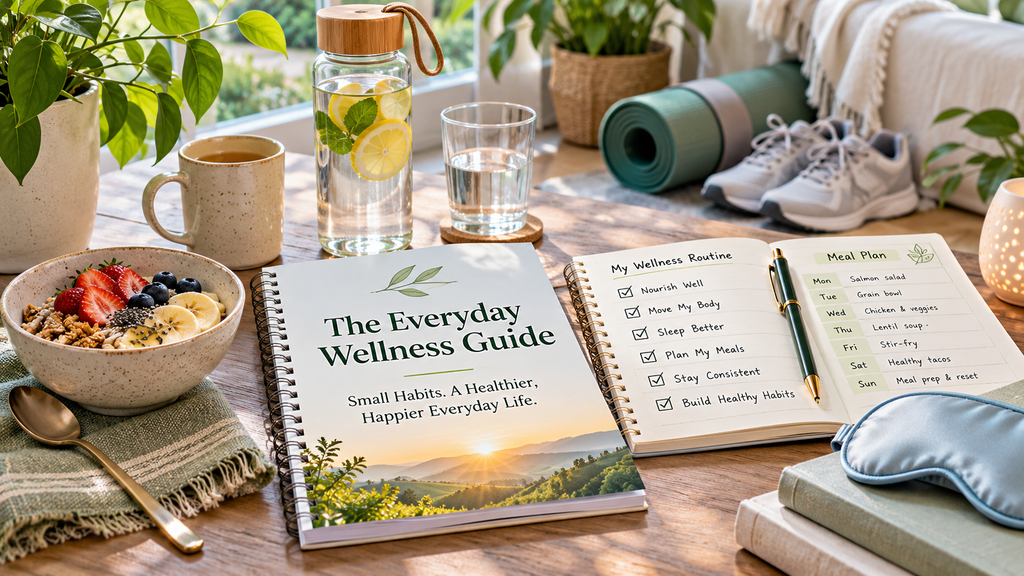
The guide is intended for general wellness education rather than individualized exercise instruction or medical treatment.
Building a healthier routine doesn’t require changing everything at once. Sometimes, the most practical approach is choosing one manageable habit and allowing it to develop naturally.
12. Your Simple Walking Essentials Checklist
Before heading out, use this short checklist to decide what you actually need.
Comfortable walking shoes: Choose footwear that fits properly and feels suitable for your route.
Comfortable socks: Wear socks that fit securely and don’t cause rubbing.
Weather-appropriate clothing: Dress for the temperature and conditions.
Water when needed: Consider the duration of your walk, the weather, and your individual hydration needs.
Sun protection: Use appropriate protection when walking outdoors in daylight.
Personal essentials: Bring keys, identification, your phone, or other necessary belongings.
Reflective accessories: Consider them when walking in reduced visibility.
A safe route: Choose a familiar, accessible location that suits your abilities.
Most importantly, bring realistic expectations.
You don’t have to complete a long walk to make a positive beginning.
Frequently Asked Questions About Walking Essentials for Beginners
1. What are the most important walking essentials for beginners?
The most important walking essentials for beginners are comfortable shoes, properly fitting socks, weather-appropriate clothing, access to drinking water when needed, and a safe walking route.
Accessories such as waist packs, insulated water bottles, and reflective gear can be useful, but their importance depends on your walking environment and personal preferences.
2. Do beginners need special walking shoes?
Not everyone needs specialized walking shoes.
A comfortable pair of athletic shoes with appropriate fit, traction, and support may be suitable for everyday walking.
If you experience persistent foot discomfort or have specific medical needs, seek personalized guidance.
3. How long should a beginner walk each day?
There is no single starting duration that works for everyone.
Some beginners may feel comfortable with five to ten minutes, while others can manage longer sessions.
Starting at a comfortable level and increasing gradually is generally more sustainable than attempting long walks immediately.
4. Is walking every day good for beginners?
Walking regularly can be part of a healthy lifestyle, but beginners don’t necessarily need to walk every day.
The appropriate frequency depends on fitness, health, recovery needs, and personal comfort.
Rest days or lighter activity days may be helpful, particularly when you’re just beginning.
5. Do I need a fitness tracker to start walking?
No. A fitness tracker is optional.
You can establish a walking routine by paying attention to time, comfort, and consistency without purchasing electronic devices.
Some people enjoy trackers for motivation, but they aren’t required to begin.
6. Should I carry a water bottle on every walk?
Not necessarily.
The need to carry water depends on walking duration, temperature, humidity, intensity, and individual health needs.
For longer walks or warm conditions, bringing water may be particularly useful.
7. Are walking poles necessary for beginners?
Walking poles are not essential for most people walking on flat sidewalks or maintained park paths.
They may be useful in certain outdoor environments or for specific individual needs, but their suitability depends on the terrain and the person using them.
8. What is the best way to stay motivated when starting a walking routine?
Choose a realistic schedule, walk in places you enjoy, and focus on gradual progress.
Some people find it helpful to walk with a friend, listen to music safely, or explore different routes.
The most sustainable routine is usually one that feels manageable and enjoyable rather than demanding.
“A healthier walking routine doesn’t begin with perfect equipment or impressive distances. It begins with one comfortable step, followed by another, at a pace that fits your life.”
— Daily Wellbeing Path
Conclusion: Start Simple, Walk Comfortably, and Build from There
Starting a walking routine doesn’t require expensive equipment, complicated training plans, or a collection of accessories.
The most important walking essentials for beginners are the ones that support comfort, safety, and everyday practicality.
Well-fitting shoes, comfortable socks, suitable clothing, and attention to hydration and weather conditions create a useful foundation. Other accessories, including waist packs, sun hats, and reflective gear, can be added according to individual needs.
Remember that a successful walking routine isn’t measured only by distance or speed. Consistency, enjoyment, and choosing an activity that fits your lifestyle are equally important considerations.
Whether your first walk lasts five minutes or thirty, the goal is to begin at a comfortable level and find a way to keep moving that feels realistic for you.
Start with what you already have, invest in what genuinely improves your comfort, and let your walking routine grow one step at a time.
Walking Essentials for Beginners: Explore Our Amazon Picks
Explore our selection of walking shoes, performance socks, water bottles, and practical accessories to find options that suit your comfort, routine, and everyday needs.
Compare the recommended products below and choose only what makes sense for your walking experience.